


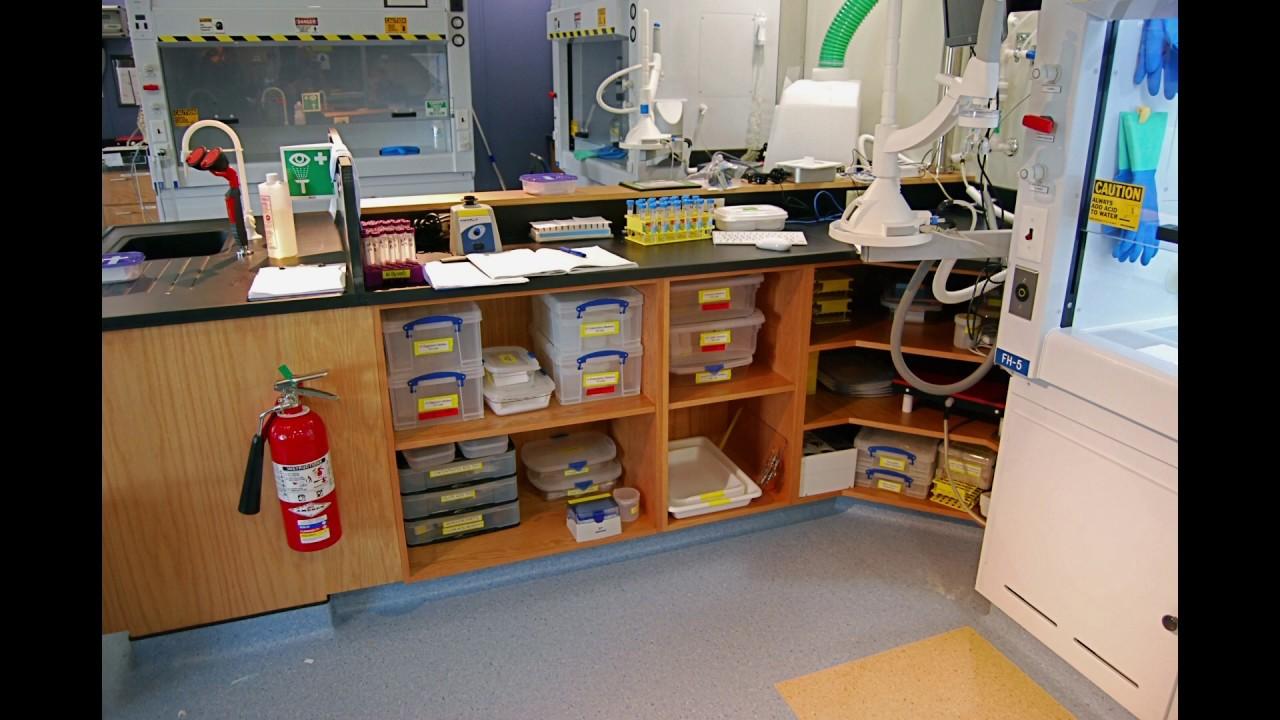
Laboratory Chemicals are commonly associated with scientific research and experiments conducted in laboratories. However, these chemicals have versatile properties that extend beyond the traditional laboratory setting. In this article, we will explore 10 innovative and unconventional uses for laboratory chemicals that showcase their potential in various industries and everyday applications.
1. Cleaning and Stain Removal
Certain laboratory chemicals, such as hydrogen peroxide and acetone, can be effective in cleaning and removing stubborn stains. Hydrogen peroxide, for example, can be used as a bleaching agent for fabrics, while acetone can dissolve adhesives and remove ink or paint marks.
2. Art and Craft Projects
Laboratory chemicals can be utilized in art and craft projects to create unique effects and textures. For instance, sodium borate (borax) can be used to make slime, and ammonium chloride can create frost-like patterns on glass surfaces. Artists and hobbyists can experiment with different laboratory chemicals to add a creative touch to their projects.
3. Photography and Filmmaking
Some laboratory chemicals have applications in photography and filmmaking. Sodium thiosulfate, also known as hypo, is commonly used in photographic development processes to fix and remove unexposed silver halides from film or photographic paper. This chemical plays a crucial role in the development of high-quality photographs.
4. Gardening and Agriculture
Certain laboratory chemicals can be beneficial for gardening and agriculture purposes. For example, potassium nitrate can be used as a fertilizer, providing plants with essential nutrients for growth. Additionally, ethylene gas, commonly used in fruit ripening, can be employed to stimulate the ripening process in harvested fruits.
5. Household Cleaning
Laboratory chemicals can also be effective in household cleaning. Sodium bicarbonate, commonly known as baking soda, can act as a natural deodorizer and stain remover. Vinegar, a weak acetic acid solution, can be used to clean surfaces, remove stains, and unclog drains.
6. Water Treatment
Several laboratory chemicals find application in water treatment processes. Chlorine compounds, such as sodium hypochlorite, are commonly used for disinfection and purification of water. These chemicals help eliminate bacteria, viruses, and other harmful microorganisms, making water safe for consumption.
7. Cosmetics and Personal Care Products
Laboratory chemicals play a significant role in the formulation of cosmetics and personal care products. Ingredients such as glycerin, citric acid, and salicylic acid are commonly utilized in skincare products for their moisturizing, exfoliating, and acne-fighting properties.
8. Food and Beverage Industry
Certain laboratory chemicals are used in the food and beverage industry for various purposes. For instance, citric acid is commonly used as a flavoring agent and preservative. Calcium chloride can be employed to enhance the firmness of fruits and vegetables during processing.
9. Forensic Science
Laboratory chemicals play a critical role in forensic science investigations. Reagents such as luminol, used to detect bloodstains, and ninhydrin, used to visualize latent fingerprints, are essential tools in crime scene investigations and forensic analysis.
10. Environmental Monitoring
Laboratory chemicals are utilized in environmental monitoring to analyze air, water, and soil samples for pollutants and contaminants. These chemicals enable scientists to assess environmental quality, identify potential hazards, and develop strategies for environmental conservation and remediation.
In conclusion, laboratory chemicals offer a multitude of innovative and unconventional applications across various industries and everyday life. From cleaning and stain removal to art projects, photography, gardening, and beyond, the versatile properties of laboratory chemicals showcase their potential outside of the traditional laboratory setting. However, it is important to note that safety precautions and handling guidelines should always be followed when using laboratory chemicals in unconventional applications to ensure safe and responsible use. Click here for more information about Reagent Bottles.
It’s worth mentioning that not all laboratory chemicals are suitable or safe for these alternative uses. It is essential to research and understand the properties, potential risks, and proper handling procedures of each chemical before attempting any unconventional application. It is advisable to consult expert advice or refer to reliable sources for guidance.
Always remember to handle laboratory chemicals with caution, wear appropriate protective equipment, and follow the recommended procedures and guidelines provided by the manufacturer or relevant authorities. Safety should always be the top priority when working with chemicals.
Innovative uses of laboratory chemicals extend beyond the confines of traditional laboratory settings, offering exciting possibilities in various industries and everyday applications. From art and craft projects to household cleaning, gardening, and even forensic investigations, these chemicals demonstrate their versatility and usefulness. However, it is crucial to ensure responsible and safe practices when utilizing laboratory chemicals outside of their intended applications.
By exploring the potential of laboratory chemicals and following proper safety guidelines, we can harness their capabilities and unlock new possibilities for innovation and creativity.
