


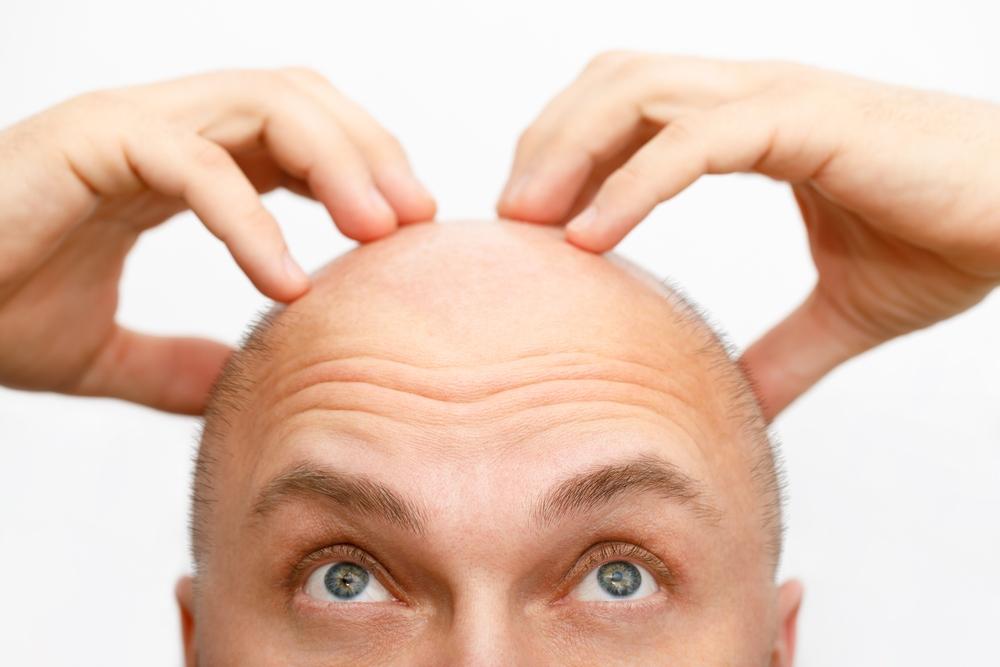
Introduction of hair transplant :
Hair loss can be a distressing experience for many individuals, impacting their self-esteem and confidence. Thankfully, advancements in medical science have made hair transplants a popular and effective solution. In this blog, we will delve into the science behind hair transplants, exploring the intricate process and shedding light on how it works to restore natural hair growth.
Understanding Hair Loss :
Before we dive into the science of hair transplants , it’s essential to understand the primary cause of hair loss. In most cases, hair loss occurs due to a condition called androgenetic alopecia, commonly known as male or female pattern baldness. It is primarily influenced by genetics and hormonal factors, leading to the progressive thinning of hair follicles.
The Donor-Dominant Principle:
The success of hair transplantation lies in the concept of donor dominance. The hair on the back and sides of the head, known as the donor area, is genetically resistant to the effects of hormonal hair loss. Surgeons utilize this unique characteristic by extracting hair follicles from the donor area and transplanting them into the recipient area, where hair has thinned or stopped growing.
Follicular Unit Transplantation (FUT):
Follicular Unit Transplantation, also known as the strip method, involves removing a thin strip of scalp from the donor area. The strip is then dissected under a microscope into individual follicular units containing one to four hair follicles. These follicular units are carefully transplanted into tiny incisions made in the recipient area. FUT allows for the transplantation of a large number of grafts in a single session.
Follicular Unit Extraction (FUE):
Follicular Unit Extraction is a minimally invasive technique that involves harvesting individual follicular units directly from the donor area. Using a tiny punch tool, hair follicles are extracted one by one and transplanted into the recipient area. FUE offers several advantages, including no linear scar, faster healing time, and the ability to harvest hair from different areas of the body, making it suitable for individuals with limited donor hair availability.
The Healing and Growth Process :
After the hair transplant procedure, the transplanted hair follicles enter a temporary resting phase before shedding. This is a normal part of the process. Within a few months, new hair growth begins, and over time, the transplanted hair follicles continue to produce healthy, natural hair. It’s important to note that the transplanted hair retains its genetic resistance to hair loss, providing a long-term solution for hair restoration.
Conclusion :
Hair transplants are a scientifically proven method for restoring hair growth in individuals experiencing hair loss. By harnessing the principles of donor dominance and utilizing advanced transplantation techniques such as FUT and FUE, skilled surgeons can help individuals regain their confidence and achieve natural-looking results.
Book your appointment with Royal Cosmetic Surgery Clinic in Islamabad.
