


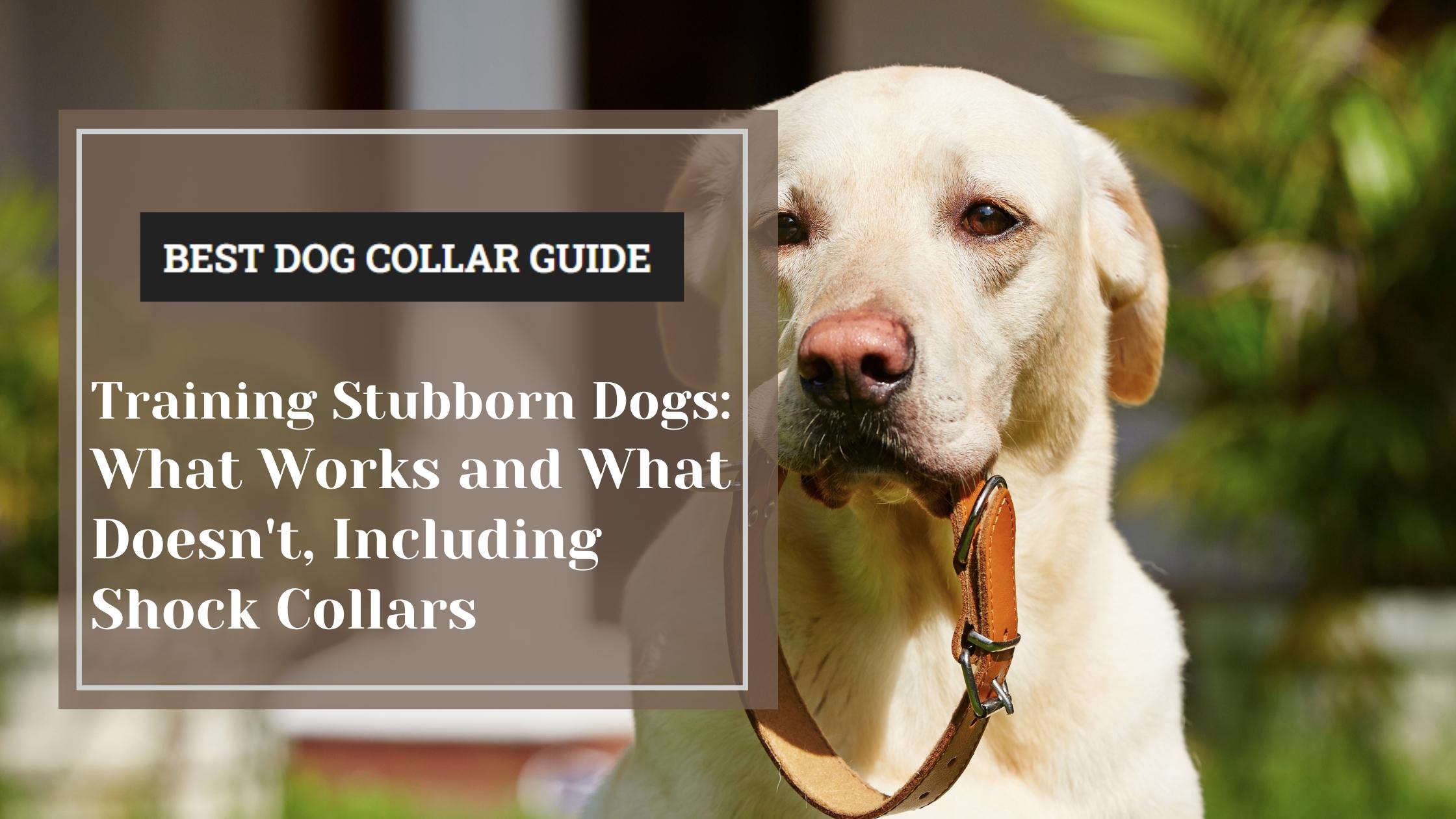
Training a stubborn dog can be a challenging but rewarding experience. While each dog has its own unique personality and learning style, it’s essential to use effective, humane methods to ensure a strong and positive bond with your furry companion. In this, we will explore what works and what doesn’t when using the Best Shock Collar for Stubborn Dogs, including alternatives to shock collars.
Understanding Your Dog’s Behavior
Before delving into training techniques, it’s crucial to understand why some dogs may appear stubborn. Often, stubbornness in dogs can be misinterpreted as defiance when, in reality, they may not fully understand what is expected of them or are distracted by their surroundings. Patience, consistency, and empathy are essential when dealing with stubborn behavior.
What Doesn’t Work: Shock Collars
Shock collars, also known as electronic collars or e-collars, are devices that deliver an electric shock to a dog as a form of punishment for undesirable behavior. These collars are not only controversial but also have several disadvantages:
- Fear and Anxiety: Shock collars can cause fear and anxiety in dogs, leading to increased stress levels and even aggressive behavior.
- Inconsistent Results: Stubborn dogs may become immune to the shocks, leading to a lack of effectiveness over time.
- Lack of Positive Reinforcement: Shock collars focus on punishing negative behavior rather than rewarding positive actions, hindering the learning process.
- Risk of Physical Harm: In extreme cases or with misuse, shock collars can cause physical harm, including burns and injuries to the dog’s neck.
What Works: Positive Reinforcement Training
Positive reinforcement training is a widely accepted and humane method for teaching stubborn dogs new behaviors and breaking bad habits. The fundamental principle of this training is to reward desirable actions, which encourages dogs to repeat those behaviors. Here are some effective positive reinforcement techniques:
- Treat-based Training: Use small, tasty treats as rewards when your dog follows commands or exhibits good behavior. Offer praise and a treat immediately after the correct behavior occurs.
- Clicker Training: Pairing a clicker sound with treats allows you to mark the exact moment your dog performs the desired behavior. This method helps your dog associate the sound with the reward.
- Consistency and Patience: Be consistent with your commands and rewards. Repetition and patience are key when dealing with stubborn dogs.
- Short and Fun Training Sessions: Keep training sessions short and engaging. End each session on a positive note, even if progress is slow.
- Socialization: Expose your dog to various environments, people, and other animals, allowing them to learn appropriate behavior in different situations.
- Ignore Undesirable Behavior: Instead of punishing unwanted behavior, try ignoring it. Withholding attention or rewards for undesirable actions can be an effective way to discourage them.
Conclusion
The Best Shock Collar for Stubborn Dogs can be a time-consuming process, but it’s crucial to maintain a positive and loving relationship throughout. Shock collars may seem like a quick fix, but they come with significant drawbacks and potential harm to your dog’s well-being. Instead, opt for positive reinforcement training, where patience, consistency, and rewards play a pivotal role in shaping your dog’s behavior positively.
