


In the realm of interior design, the incorporation of natural elements can create a harmonious and visually appealing environment. One such element that has gained prominence is woodgrain wall cladding.
This innovative design technique combines the warmth and elegance of wood with the practicality of wall cladding. With its aesthetic appeal and functional advantages, woodgrain wall cladding has become a popular choice for interior designers and homeowners alike.
Understanding Wood Grain Wall Cladding
Woodgrain wall cladding is a technique that involves covering interior walls with panels or sheets that emulate the texture, colour, and pattern of the wood grain. This approach brings the charm of wood into indoor spaces without the drawbacks associated with traditional wood installations.
It offers an array of benefits, ranging from aesthetic enhancement to durability and ease of maintenance.
The Timeless Appeal of Woodgrain
Wood has an inherent beauty that adds a sense of natural warmth to any environment. The intricate patterns and textures found in woodgrain are reminiscent of the outdoors, creating a calming and organic atmosphere within indoor spaces. Incorporating wood grain wall cladding can instantly elevate the visual appeal of a room, making it feel more inviting and cosy.
Benefits of Interior Wood Grain Wall Cladding:
Natural Aesthetics:
Woodgrain wall cladding adds a touch of elegance and warmth to interiors, creating a cosy and inviting ambience. The unique visual appeal of wood, with its natural patterns and textures, is hard to replicate using other materials. Whether used in residential or commercial spaces, woodgrain cladding brings a sense of sophistication and charm.
Versatile Design:
Woodgrain wall cladding comes in various designs, finishes, and wood species, allowing for endless customisation options. From rustic to modern interiors, woodgrain cladding seamlessly complements different themes and styles.
Durable and Long-lasting:
Well-maintained woodgrain cladding can last for decades. In addition to its visual appeal, wood also possesses inherent durability. With proper care, it becomes resistant to wear and tear, making it an ideal choice for areas with high foot traffic.
Insulation Properties:
Wood has excellent thermal and acoustic insulation properties. Woodgrain cladding can help regulate indoor temperatures, providing a comfortable environment while reducing the need for excessive heating or cooling. Additionally, it absorbs sound, minimising noise pollution and improving acoustics within a space.
Environmentally Friendly:
Sustainable and eco-friendly construction practices are gaining increasing importance. Woodgrain wall cladding not only brings the beauty of nature indoors but also contributes to sustainable building practices. Wood is a renewable resource, and responsibly sourced materials ensure minimal environmental impact.
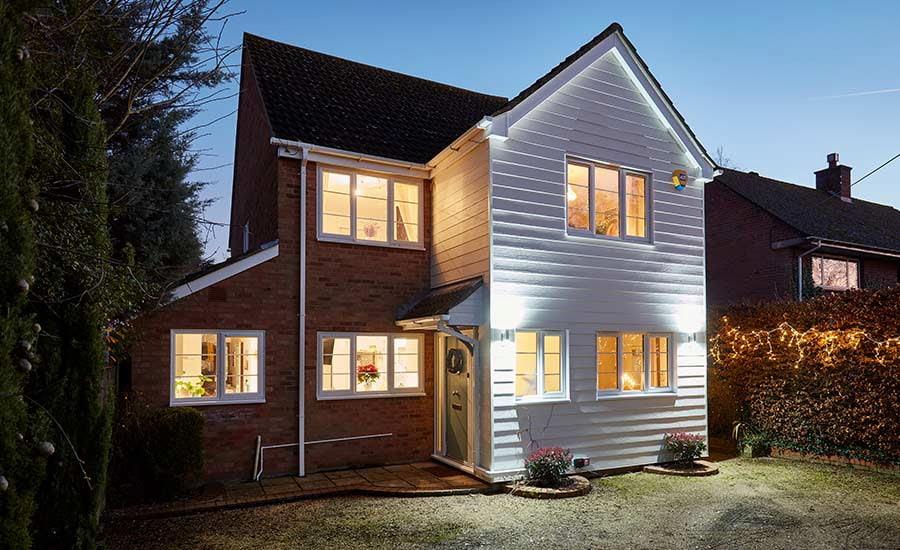
Installation Cost of Interior Wood Grain Wall Cladding:
The expenses associated with the installation of wood grain wall cladding can fluctuate based on various factors, such as the wood’s quality, the area’s size, and the intricacy of the installation process. Here are some key cost considerations:
Material Cost:
When selecting wood for cladding, the choice of wood species can have a significant impact on the overall cost. It’s important to keep both the desired aesthetic and budget in mind when making this decision.
Labor Charges:
The complexity and intricacy of the installation process will impact the labour charges involved. The cost will naturally increase if the installation requires additional structural work or the cladding needs intricate detailing. Hiring professional installers ensures a seamless and long-lasting finish.
Maintenance and Finishing:
Woodgrain wall cladding requires regular maintenance to maintain its quality and durability. The cost of surface finishes, varnishes, or sealants, along with periodic treatments, should be considered for long-term upkeep.
Additional Costs:
In some cases, additional costs may include the removal of old cladding, repair or preparation of the existing wall surface, and the provision of insulation materials.
Finishing and Trim:
Adding finishing touches, such as corner trims, skirting, or painting/staining the cladding, will incur additional costs. These elements enhance the overall appearance of the woodgrain cladding but keep in mind that they can increase the final budget.
Maintenance Costs:
While woodgrain cladding is low-maintenance, periodic care may be required to preserve its appearance. Consider the cost of potential cleaning agents, refinishing, or any necessary repairs in the long run.
Conclusion:
In summary, interior wood grain wall cladding presents a myriad of benefits, from its natural aesthetics, versatility, and durability to excellent insulation properties and sustainable characteristics.
Using woodgrain cladding in your interior design can improve the aesthetic appeal and create a comfortable and eco-friendly living space. While installation costs can vary depending on various factors, the long-term benefits of woodgrain cladding make it a worthwhile investment.
Careful consideration of material selection, labour charges, maintenance requirements, and additional costs will help ensure a successful and cost-effective installation. So, whether you are renovating your home or revamping a commercial space, interior wood grain wall cladding offers a timeless appeal that will elevate your interior design to the next level.
Also, read this: Everything That You Have To Find Out About Home Improvement
