


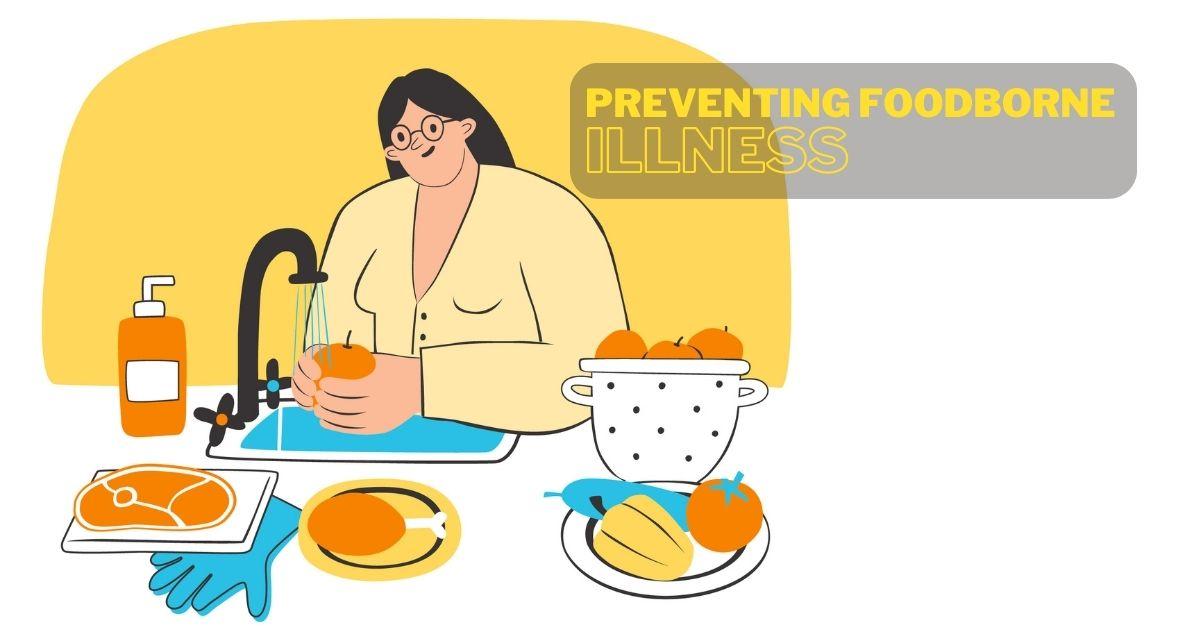
In the intricate web of health and well-being, there exists a fundamental aspect often overshadowed by discussions of nutrition and exercise: food safety. The nourishment we derive from our meals should invigorate and sustain us, but the stark reality is that consuming contaminated food can unleash a cascade of detrimental effects, ranging from minor discomfort to severe, life-altering illnesses. In a world where culinary delights are abundant and diverse, the imperative to safeguard against foodborne illnesses becomes all the more pronounced. Through the diligent application of a few uncomplicated yet indispensable guidelines, we can unravel the path to optimal health by ensuring that the food we consume is as safe as it is delicious. This article serves as your compass on this journey, offering seven indispensable tips by Stockport food that stand as pillars of Preventing foodborne illness.
1. Wash Your Hands Thoroughly
The foundation of food safety begins with personal hygiene. Always wash your hands with soap and warm water for at least 20 seconds before handling any food. This practice helps eliminate potentially harmful bacteria and viruses that might be present on your hands. It’s especially important to wash your hands after using the restroom, handling raw meat or eggs, and touching surfaces that may be contaminated. Encourage everyone in your household, including children, to adopt this habit.
2. Keep Raw and Cooked Foods Separate
Cross-contamination is a significant cause of foodborne illnesses. To prevent this, keep raw and cooked foods separate throughout the entire food preparation process. Use different cutting boards, utensils, and plates for raw meats, poultry, seafood, and eggs. When storing these items in the refrigerator, ensure they are placed in containers or sealed bags to prevent their juices from coming into contact with other foods.
3. Cook Food Thoroughly
Cooking food to the appropriate temperature is vital for killing harmful bacteria that might be present. It is imperative to utilise a food thermometer in order to guarantee that foods are cooked to their suggested internal temperatures. It is imperative to emphasise that poultry MUST reach an internal temperature of 165°F (73.9°C), ground meats MUST reach 160°F (71.1°C), and steak MUST attain 145°F (62.8°C). Under no circumstances should you partially cook food and finish it later, as this can result in uneven cooking and bacterial growth.
4. Store Food Properly
Proper food storage is essential in preventing bacterial growth and spoilage. Refrigerate perishable foods promptly, ideally within two hours of preparation. Set your refrigerator’s temperature to 40°F (4.4°C) or lower and your freezer’s temperature to 0°F (-17.8°C) or lower. Keep raw meats and seafood on the lowest shelf to prevent their juices from dripping onto other foods. Additionally, use airtight containers to store leftovers and label them with the date to ensure timely consumption.
5. Be Cautious with Raw Foods
Raw foods, especially animal products, are more likely to harbour harmful microorganisms. It is imperative that you refrain from consuming any form of raw or undercooked eggs, meats, and seafood, as they have a significantly higher risk of causing foodborne illnesses. Please take this warning seriously for the sake of your health and well-being. If you’re a fan of dishes like sushi or steak tartare, make sure you’re consuming them at a reputable restaurant where food safety standards are strictly followed.
6. Practice Safe Food Handling Outdoors
Cooking and dining outdoors can be delightful, but it also comes with its own set of food safety challenges. During barbecues and picnics, keep perishable foods in a cooler with ice packs. Food should never be left out in the sun for extended periods. To prevent cross-contamination, separate raw and cooked utensils and plates just as you would indoors.
7. Be Mindful of High-Risk Individuals
Some people need extra care when cooking, like kids, pregnant women, seniors, and those with weak immune systems. Raw eggs should be avoided in recipes that will not be cooked, and pasteurised dairy products should be opted for. It is imperative to ensure that your food is thoroughly cooked and stored properly to prevent any potential risks.
Conclusion:
Ensuring the safety of the food you consume is paramount to maintaining good health and preventing foodborne illness. By following these seven simple yet crucial tips – washing your hands, keeping raw and cooked foods separate, cooking food thoroughly, storing food properly, being cautious with raw foods, practising safe food handling outdoors, and considering high-risk individuals – you can significantly reduce the risk of falling victim to foodborne illnesses.
Remember that food safety is a collective effort that involves everyone who handles, prepares, and consumes food. By adopting these practices into your daily routine and educating those around you, you contribute to a healthier and safer dining experience for yourself and your loved ones. Prioritising food safety not only protects your health but also promotes a culture of responsible food handling and consumption.
