


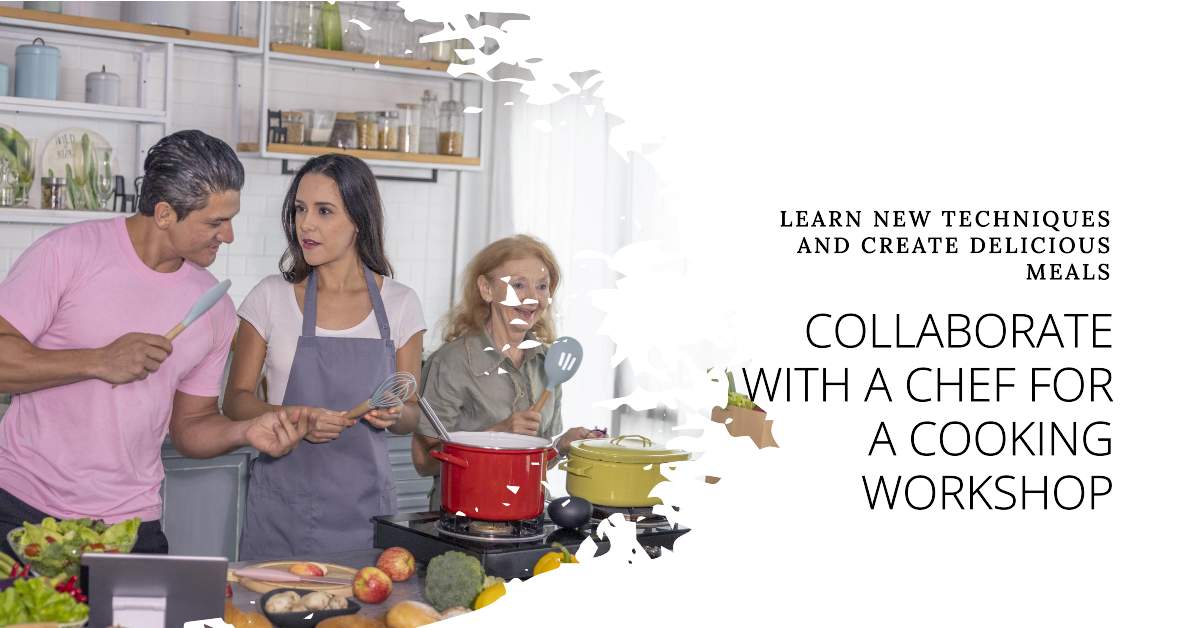
Are you interested in hosting a cooking workshop? Collaborating with an in-home chef can bring your attendees a unique and enriching experience. This article will guide you through planning and hosting a successful cooking workshop with an in-home chef. From understanding the role of the chef to promoting your workshop, we have got you covered. Let’s get started!
Understanding the Role of an In-Home Chef
Before diving into the details, it is essential to grasp the responsibilities of an in-home chef. Unlike a restaurant chef, an in-home chef focuses on providing personalized culinary experiences in the comfort of your own home. They bring their expertise and flair to create a memorable event for your guests.
Their responsibilities go beyond cooking delicious meals. An in-home chef often plays the role of a teacher, sharing their knowledge and techniques with the participants. They create a warm and welcoming environment, encouraging everyone to explore their culinary skills. Learn more about the role of a home chef beyond cooking delicious meals from this website.
Defining the In-Home Chef’s Responsibilities
Collaborating with an in-home chef means entrusting them with various tasks. First and foremost, they will assist in designing the menu and selecting the recipes that align with your workshop’s theme and goals. They will source the highest quality ingredients and bring their culinary expertise to create a delectable experience for your attendees.
During the workshop, the in-home chef will lead the cooking process, guiding participants through each step and sharing tips and tricks. Their extensive knowledge of ingredients, techniques, and flavors ensures everyone leaves with new skills and expanded culinary horizons.
Additionally, the in-home chef will prepare before the workshop, ensuring that all equipment and ingredients are readily available. They will also clean the kitchen afterward, leaving your space sparkling clean.
The Unique Skills of an In-Home Chef
Their ability to provide a personalized experience sets an in-home chef apart. They can cater to various dietary restrictions, preferences, and skill levels, making the workshop inclusive and enjoyable for all participants. Their versatility allows them to adapt to different kitchen setups and work within the limitations of your space.
Besides their culinary skills, in-home chefs possess exceptional communication and organizational abilities. They listen to your vision and transform it into a captivating workshop, ensuring each participant feels engaged and inspired. Their attention to detail guarantees a seamless and memorable experience for everyone involved.
Setting the Stage for a Cooking Workshop
Now that you understand the role of an in-home chef, it’s time to turn our attention to setting the stage for a successful cooking workshop. The environment and equipment are essential in creating a comfortable and efficient space for learning and cooking.
Choosing the Right Venue
When selecting the venue for your cooking workshop, consider the number of participants and the type of experience you want to offer. If you have a spacious kitchen that accommodates everyone comfortably, hosting the workshop at home can create an intimate and personalized atmosphere. Alternatively, you may want to explore renting a culinary studio or a community kitchen if you require additional facilities and equipment.
Ensuring ample counter space and providing comfortable seating for participants are crucial aspects to consider. Remember, a well-designed venue sets the foundation for a successful workshop.
Necessary Equipment for a Cooking Workshop
Equipping your workshop with the essential tools and appliances is essential to facilitate a smooth cooking experience. Make a checklist of the equipment needed for the selected recipes and ensure you have everything readily available. Some common items include cutting boards, knives, mixing bowls, measuring spoons, and various cookware.
Investing in quality equipment will enhance the cooking process and leave a lasting impression on your participants. If you lack specific items, consider renting or borrowing them to fulfill the workshop’s requirements.
Planning the Workshop Content with the Chef
Now that you have set the stage for your cooking workshop, it’s time to collaborate with the in-home chef to plan the content. This step is crucial in ensuring the workshop aligns with your goals and delivers an exceptional experience to the participants.
Deciding on the Workshop’s Theme
A well-defined theme creates focus and cohesiveness for your cooking workshop. It could be anything from mastering a specific cuisine, exploring seasonal ingredients, or learning advanced techniques. Consider your target audience and their interests when deciding on the theme. Collaborate with the in-home chef to brainstorm ideas and find a theme that resonates with both of you.
Once you have a theme in mind, create an outline for the workshop. Ensure that it progresses logically, building upon the participants’ knowledge and skills as they move through each recipe and technique.
Selecting Recipes for the Workshop
The recipes you choose should align with the workshop’s theme and cater to the skill levels of your participants. Collaborate with the in-home chef to select recipes that showcase their expertise and allow participants to learn new techniques. Consider incorporating a mix of appetizers, main courses, and desserts to provide a well-rounded culinary experience.
Remember to factor in any dietary restrictions or allergies to ensure everyone can fully participate and enjoy the workshop. Offering alternatives or modifications for specific dietary needs will enhance inclusivity and make the experience memorable for all attendees.
Promoting Your Cooking Workshop
With the workshop’s content in place, it’s time to spread the word and attract participants to your cooking workshop. You can effectively reach your target audience by combining traditional and digital marketing strategies.
Utilizing Social Media for Promotion
Social media platforms provide an excellent opportunity to promote your cooking workshop. Create engaging content that showcases the in-home chef, the workshop’s theme, and some compelling dishes participants can expect to learn. Leverage popular platforms like Facebook, Instagram, and Twitter to reach a wide audience. Encourage participants to share your posts to increase the workshop’s visibility.
Consider collaborating with influencers or food bloggers with a similar target audience to help spread the word. Host giveaways or offer early-bird discounts to incentivize participants to sign up.
Traditional Methods of Promotion
While digital marketing is essential, don’t overlook traditional methods of promotion. Utilize local newspapers, radio stations, or community bulletin boards to advertise your cooking workshop. Create eye-catching flyers and distribute them in local grocery stores, cafes, and other community-oriented spaces.
Word-of-mouth marketing is also powerful. Encourage participants to share their experiences from previous workshops, testimonials, or recommendations to attract new attendees. Building a solid reputation and cultivating personal connections can go a long way in bringing in interested participants.
The Day of the Workshop: What to Expect
It’s finally the day of your cooking workshop, and excitement is in the air! Pay attention to the final details to ensure a successful event and be prepared for what lies ahead.
Setting Up the Workshop Space
Arrive early to set up the workshop space. Ensure all necessary ingredients, equipment, and utensils are organized and easily accessible. Display any printed recipes or handouts that participants may require throughout the workshop. Create a warm and inviting ambiance by adding thoughtful touches like fresh flowers or music that complements the workshop’s theme.
Double-check that everything is in order before the participants arrive. This includes testing audiovisual equipment, adjusting the lighting, and arranging the seating to promote interaction and engagement.
The Chef’s Role During the Workshop
Once the participants begin to arrive, introduce them to the in-home chef and initiate a friendly and welcoming atmosphere. The chef will guide the workshop, explaining each step and technique thoroughly. Encourage the participants to ask questions and seek clarification if needed.
Throughout the workshop, the in-home chef will provide hands-on assistance to participants, ensuring everyone understands the techniques and achieves the desired results. They will create a supportive environment, comforting novice chefs and challenging experienced cooks to expand their skills.
At the end of the workshop, the chef may share additional resources, such as recipe cards or recommended cookbooks, to help participants continue their culinary journey beyond the workshop.
Collaborating with an in-home chef to host a cooking workshop can be an enriching experience. By understanding the role of the chef, setting up the workshop space efficiently, planning engaging content, and promoting it effectively, you can create a memorable event that leaves a lasting impression on your participants. So go ahead, unleash your culinary creativity, and embark on an exciting journey of hosting a cooking workshop with an in-home chef!
