


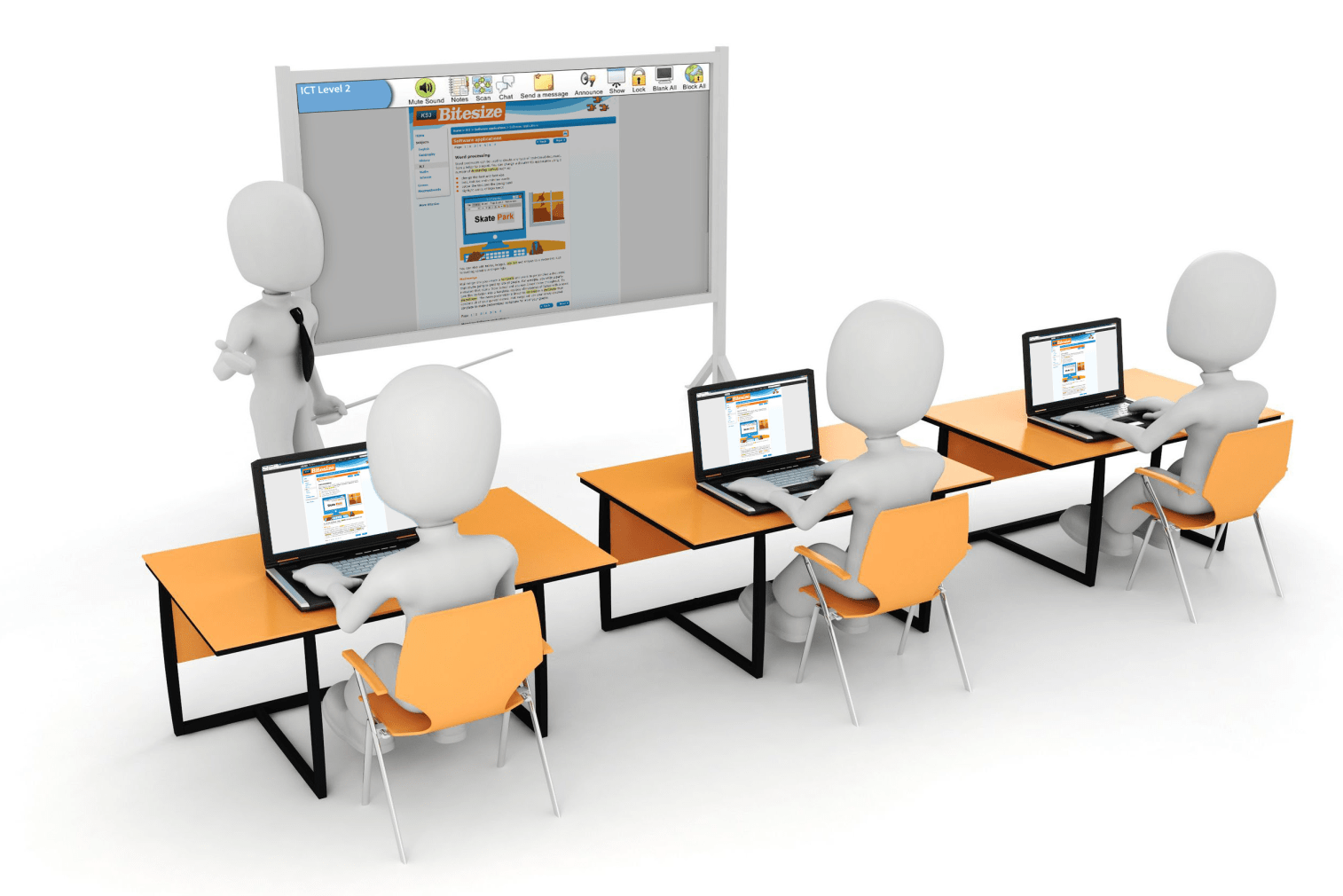
Successfully maneuvering through the digital world requires adopting a unique method of communication and coordination. Online classroom software is a beneficial resource with numerous engaging capabilities. This assists educators in creating engaging and interactive virtual classrooms. There are boundless opportunities available. However, in order to optimize the effectiveness of this technology, it is crucial to have not only a deep understanding of its capabilities, but also the ability to utilize it strategically. This can enhance and improve students’ learning experience. Although online this software offers numerous benefits, its efficacy depends on how educators utilize its capabilities.
We will look at 8 online classroom software tips to enhance virtual learning by scrolling below in this blog.
1. Choose The Right Platform
- The initial stage in choosing an appropriate online classroom software involves matching its attributes with your educational goals.
- Think about whether the software aligns with your teaching methods, promotes student involvement, and enables collaborative learning.
- An essential factor for educators and students alike is a user interface that is easy to use and understand. The utilization of the software should be simple and user-friendly. This guarantees that both parties are not overwhelmed with a difficult learning process.
- An interface that is easy to use enables educators to concentrate on teaching instead of struggling with the complexities of the software.
- The selected platform must be able to effortlessly accommodate classes of all sizes, both small and large.
- Furthermore, the online classroom software should possess the necessary flexibility to effectively adjust to variations in teaching methods and advancements in technology.
2. Utilize Interactive Features
Whiteboards replicate the functions of conventional chalkboards, enabling learners to engage in real-time activities and stay actively engaged. By incorporating occasions of curiosity and evaluation into their teaching, educators can use polls and quizzes to instantly assess students’ understanding. Learners engage actively by answering questions, and the immediate feedback assists both teachers and students in navigating the learning path. Smart virtual environments enable teachers to allocate students into smaller groups in order to facilitate focused conversations.
3. Establish Clear Guidelines for Communication
- Use the online classroom software to establish the different types of communication channels available in it.
- Define the locations and methods available for students to inquire, obtain further understanding, and participate in discourse. This clearness decreases misunderstandings and guarantees that all communications are channeled through specific paths.
- Set clear and specific expectations regarding students’ involvement and active participation
- Clearly express the degree of engagement needed for conversations.
4. Create A Consistent Schedule
A consistent routine confers numerous advantages upon a virtual classroom. One should allocate particular days and times for varying activities. This regular practice fosters a sense of regularity, facilitating students in efficiently allocating their time. It is imperative to devise a timetable that accommodates multiple regions due to the dispersion of learners across various time zones. The objective is to pursue the achievement of fair and impartial opportunities for engaging in educational experiences, while simultaneously accounting for the individual comfort and convenience of all participants.
5. Record Live Sessions for Students
The extent to which virtual education is global frequently implies that learners are located in various time zones. Recording live sessions provides the opportunity for students who cannot participate in real-time to catch up at their convenience. Different individuals have unique inclinations when it comes to acquiring knowledge. The recorded sessions provide a valuable resource for students to refer back to and review at their own speed, accommodating various learning styles.
6. Use The Software’s File-Sharing Capabilities
Online classroom software acts as a digital center where teachers can gather and arrange resources in a single, centralized place. This repository proves to be a valuable resource for individuals seeking knowledge. File-sharing allows students to have flexible learning schedules, so they can learn at any time that suits them and not be limited to set hours. Educators have the ability to create a flipped classroom environment by providing instructional materials in advance of live sessions.
7. Encourage Teamwork
Online classroom software’s collaborative features empower students to work together in finding solutions. This replicates real-life situations where teams from various fields collaborate to discover inventive solutions. Promoting collaboration guarantees the opportunity to encounter a wide range of viewpoints and concepts. Students with diverse educational backgrounds bring their own perspectives, enhancing conversations and expanding knowledge. Collaboration enhances the ability to communicate, equipping students with the necessary skills to express their thoughts concisely and persuasively in an online environment.
8. Provide Individualized Feedback
Giving feedback in an online environment guarantees timely involvement. Learners have the ability to promptly tackle problems. They can avoid the escalation of misunderstandings into more significant issues. Clarity and precision are crucial when providing written feedback in virtual education. Educators develop improved communication abilities by expressing their thoughts concisely. Customized feedback enables students to personalize their educational journeys.
Summing It Up
The educational landscape has been permanently transformed due to the advent of online classroom software. It has surpassed the limitations imposed by geographical barriers and introduced a new era characterized by global learning communities. The platform’s dynamic engagement has brought about a revolutionary change in the traditional classroom setting.
