


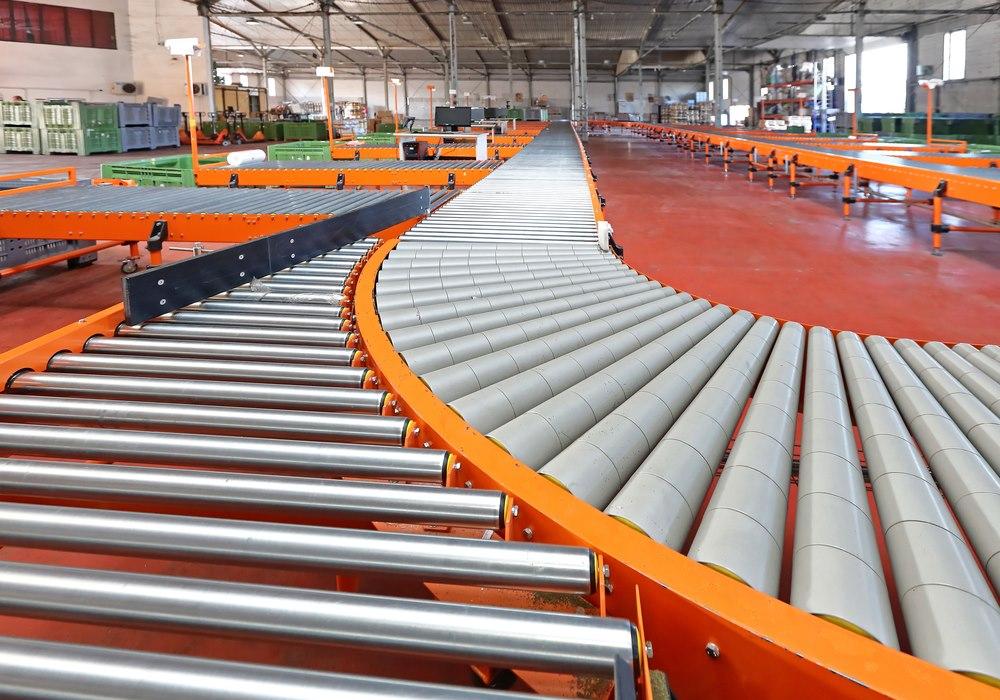
Unraveling the Science of Gravity Rollers: An Essential Guide for Industrial Operations
Introduction
Gravity rollers are an integral part of modern industrial operations. These vital components play a crucial role in material handling and the overall efficiency of conveyor systems. But what exactly are gravity rollers, and how can the right selection enhance your industrial operations? Let’s delve into the world of gravity rollers to understand their function, types, and the factors to consider while choosing them for your operations.
Understanding Gravity Rollers
At the core, gravity rollers are non-powered conveyor components that rely on the force of gravity and manual effort to move items along the conveyor line. They are essentially simple, cylindrical devices that rotate around a central axis. Their simplicity, cost-effectiveness, and ease of maintenance make them an attractive option for many industries.
The Role of Gravity Rollers in Industrial Operations
Gravity rollers are the workhorses of many industrial environments, including warehouses, manufacturing facilities, and distribution centers. They facilitate smooth and efficient material handling, leading to increased productivity and reduced labor costs. Moreover, they’re versatile, being used in everything from loading docks to assembly lines, making them a staple in the conveyor system landscape.
Gravity rollers play a pivotal role in the smooth functioning of industrial operations, and their importance can’t be overstated. These humble, yet powerful tools, are the unsung heroes of the production line, facilitating the efficient and effortless movement of goods.
Imagine a bustling factory floor, filled with boxes or pallets needing to be moved from one part of the factory to another. Instead of manual labor, gravity rollers streamline this process, using the power of gravity to propel items along their path. This not only saves time and energy but also reduces the risk of workplace injuries.
Moreover, gravity rollers are incredibly versatile. They can handle a wide range of materials, from small, delicate items to hefty, bulky goods. They’re adaptable to any factory layout, making them a cost-effective solution for businesses of all sizes.
But the benefits of gravity rollers aren’t purely logistical. They also contribute to the bottom line. By streamlining operations, they allow businesses to deliver products faster and meet customer demand more efficiently. This can lead to increased customer satisfaction, repeat business, and ultimately, higher profits.
In conclusion, gravity rollers are a vital cog in the vast machinery of industrial operations. They may not be flashy or high-tech, but their role is consequential and irreplaceable. So, the next time you see a gravity roller, appreciate the crucial role it plays in keeping our industries running smoothly.
Types of Gravity Rollers
Choosing the right type of gravity rollers for your operations is crucial. The three primary types are steel rollers, plastic rollers, and stainless steel rollers. Steel rollers are robust and durable, ideal for heavy-duty applications. Plastic rollers, on the other hand, are lightweight and corrosion-resistant, making them suitable for wet environments. Stainless steel rollers combine the strengths of both – they’re sturdy like steel and resistant to corrosion like plastic.
Factors to Consider When Selecting Gravity Rollers
While selecting gravity rollers for your operations, consider factors like roller material, diameter, spacing, and load capacity. The choice of material depends on the operating environment and the nature of the goods to be transported. Roller diameter and spacing are crucial for the smooth movement of goods, while the load capacity should align with the weight of the items to be handled.
Installation and Maintenance of Gravity Rollers
Proper installation and regular maintenance of gravity rollers are key to their longevity and optimal performance. Ensure that the rollers are installed correctly, with proper alignment and spacing. Regular maintenance, including cleaning and lubrication, can prevent operational hitches and prolong roller life.
Conclusion
Gravity rollers are an indispensable part of industrial operations, playing a pivotal role in material handling and conveyor systems. Selecting the right type, considering factors like material, diameter, spacing, and load capacity, can significantly enhance operational efficiency. Remember, the key to maximizing the benefits of gravity rollers lies in their appropriate installation and meticulous maintenance.
