


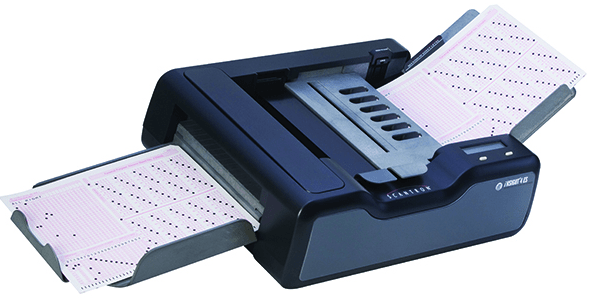
In the fast-paced digital age, where efficiency and accuracy are paramount, the world of education, assessment, and data collection has seen a monumental shift. The advent of Optical Mark Reader (OMR) technology has revolutionized the way we process and analyze data. This article delves into the world of OMR scanners, revealing their incredible capabilities and how they can enhance various industries.
OMR Scanners: What Are They and How Do They Work?
OMR Scanner: OMR scanners, short for Optical Mark Readers, are devices designed to recognize and capture data from human-marked documents. These documents usually come in the form of surveys, answer sheets, or questionnaires. OMR technology uses a combination of specialized hardware and software to identify pencil or pen marks made by individuals, interpreting these marks as data. This process not only saves time but also minimizes the margin of error in data collection.
The Power of Accuracy in Education
In the realm of education, OMR scanners have played a pivotal role in streamlining assessments. Educational institutions around the world rely on OMR technology to grade multiple-choice exams, surveys, and quizzes with an unprecedented level of precision. The automation provided by OMR scanners eliminates the need for manual grading, reducing the chances of human error. This efficiency allows educators to focus more on analyzing the results and tailoring their teaching strategies to address areas of improvement.
OMR Scanners in Surveys and Data Collection
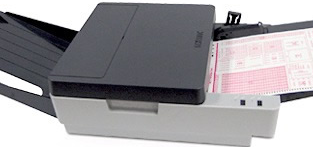
When it comes to surveys and data collection, OMR scanners offer a time-efficient and error-reducing solution. Whether it’s market research, customer feedback, or election polls, OMR technology simplifies the process. Survey participants can easily mark their choices, and the OMR scanner can swiftly and accurately record and digitize the data. This not only expedites the analysis but also ensures that the collected data is accurate and reliable.
Versatility Beyond Education and Surveys
OMR scanners aren’t limited to the realms of education and surveys; they have diverse applications across different industries. Here are a few areas where OMR technology shines:
1. Healthcare: In the healthcare industry, OMR scanners assist in processing patient forms, insurance claims, and medical surveys, ensuring accurate record-keeping and reducing administrative overhead.
2. Human Resources: OMR technology can streamline recruitment processes, helping HR departments manage large volumes of job applications and assessments with ease.
3. Government: Governments use OMR scanners for elections, census data collection, and various administrative forms to ensure secure and accurate data handling.
4. Finance: Banks and financial institutions utilize OMR technology to process financial documents, applications, and surveys, enhancing efficiency and data accuracy.
Choosing the Right OMR Scanner
Selecting the perfect OMR scanner is crucial for reaping its benefits. When looking for an OMR scanner, consider the following factors:
1. Throughput: The scanner’s capacity to process a high volume of sheets in a short amount of time is essential for efficiency, especially in education and large-scale surveys.
2. Accuracy: Look for scanners that offer high recognition accuracy to minimize errors in data collection and processing.
3. Compatibility: Ensure that the OMR scanner is compatible with the forms and sheets you plan to use. Some scanners work best with specific paper types and sizes.
4. Software Integration: Check if the scanner’s software can seamlessly integrate with your existing systems and applications for a smoother workflow.
5. Support and Maintenance: Consider the availability of customer support and maintenance services to keep your OMR scanner running optimally.
Conclusion
OMR scanners, or Optical Mark Readers, have revolutionized the way we collect and process data in education, surveys, and beyond. Their precision and efficiency have made them invaluable tools in various industries, from healthcare to finance. When choosing an OMR scanner, focus on factors such as throughput, accuracy, compatibility, software integration, and support to ensure it meets your specific needs. As we continue to embrace the digital age, OMR scanners are set to play an even more significant role in enhancing data collection and analysis, offering unmatched accuracy and speed.
