


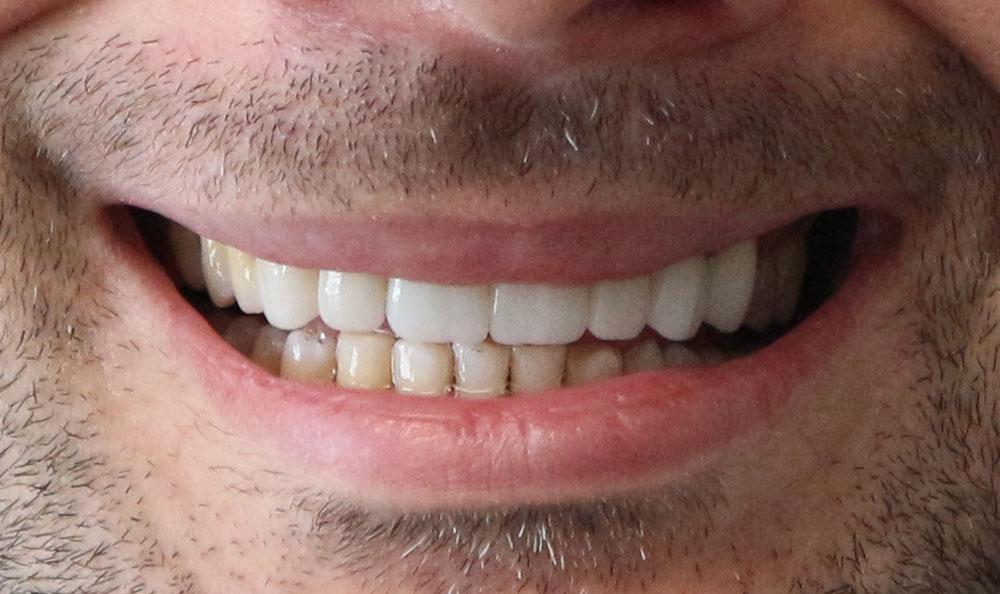
In recent years, advancements in dental technology have revolutionized the way we approach oral health care. Laser gum treatment is one such innovation that has gained prominence, offering a less invasive alternative to traditional gum surgery. This article delves into the intricacies of laser gum treatment, exploring its methodology and how it differs from conventional approaches. Additionally, we’ll touch upon the relevance of laser technology in teeth bleaching procedures performed by dentists.
Understanding Laser Gum Treatment:
Laser gum treatment, also known as laser periodontal therapy or LANAP (Laser-Assisted New Attachment Procedure), is a minimally invasive alternative to traditional gum surgery. This innovative approach employs laser technology to address various gum-related issues, such as periodontitis and gingivitis.
The procedure involves the use of a dental laser, which emits concentrated light energy. This laser light selectively targets and removes infected or diseased gum tissue, without causing damage to surrounding healthy tissue. The laser also aids in the removal of bacteria and calculus from the root surfaces of the teeth, promoting the regeneration of healthy gum tissue.
Differences from Traditional Gum Surgery:
Invasiveness:
Traditional gum surgery often involves incisions and sutures to access and treat the affected areas. In contrast, laser gum treatment is minimally invasive, utilizing focused light energy to achieve the desired results. This reduces discomfort and promotes faster healing.
Bleeding and Swelling:
Laser gum treatment results in minimal bleeding and swelling compared to traditional gum surgery. The precision of the laser allows for targeted treatment, minimizing trauma to the surrounding tissues.
Healing Time:
Patients undergoing laser gum treatment typically experience a shorter recovery period compared to those who undergo traditional gum surgery. The reduced trauma to the tissues promotes faster healing and a quicker return to normal oral function.
Pain and Discomfort:
Laser gum treatment is associated with less postoperative pain and discomfort. The procedure’s precision and minimally invasive nature contribute to a more comfortable experience for patients.
Anesthesia:
While local anesthesia is still administered during laser gum treatment, the need for extensive anesthesia is often reduced compared to traditional gum surgery. This is because the laser procedure is less traumatic to the tissues.
Teeth Bleaching Dentist and Laser Technology:
Laser technology has also found its way into cosmetic dentistry, particularly in teeth bleaching procedures. Many dentists now offer laser-assisted teeth bleaching as an advanced and efficient method to whiten teeth and enhance smiles.
Precision in Whitening:
Laser teeth bleaching involves the application of a bleaching gel to the teeth, followed by the use of a laser to activate the whitening agent. The laser’s precision ensures an even distribution of the whitening gel, targeting specific areas with stains or discoloration.
Reduced Sensitivity:
Patients undergoing laser-assisted teeth bleaching often report reduced sensitivity compared to traditional bleaching methods. The controlled application of the laser helps minimize discomfort during and after the procedure.
Quicker Results:
Laser technology accelerates the teeth bleaching process, delivering quicker results in a single session. This is particularly appealing to individuals seeking immediate improvements in the shade of their teeth.
Customization:
Dentists can customize the intensity of the laser based on individual patient needs, ensuring a personalized and effective teeth bleaching experience. This level of customization enhances the overall satisfaction of patients with the results.
Conclusion:
In the ever-evolving landscape of dental care, laser gum treatment stands out as a remarkable advancement offering patients a less invasive and more comfortable option for addressing gum-related issues. Its distinctions from traditional gum surgery, including reduced invasiveness, minimal bleeding, and faster recovery, highlight the potential benefits for individuals seeking effective periodontal treatment.
Furthermore, the integration of laser technology in teeth bleaching procedures showcases its versatility in cosmetic dentistry. Patients can now achieve whiter smiles with reduced sensitivity and quicker results, thanks to the precision and efficiency of laser-assisted teeth bleaching.
As technology continues to shape the field of dentistry, it’s evident that laser gum treatment and laser-assisted teeth bleaching are at the forefront of providing patients with advanced, patient-friendly alternatives for maintaining optimal oral health and a radiant smile.
