


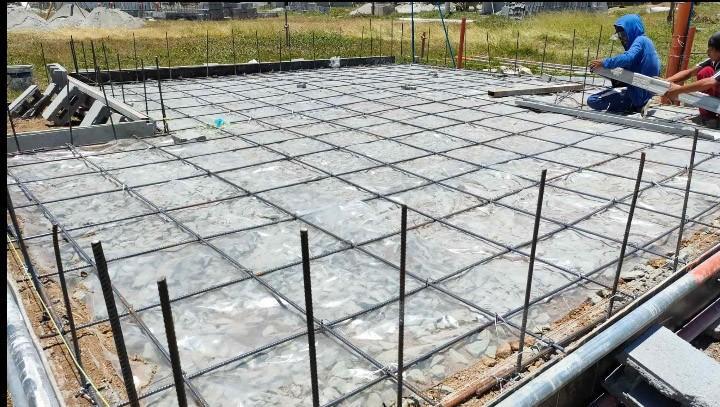
In the realm of construction, manufacturing, and beyond, selecting the right materials is crucial for ensuring durability, versatility, and performance. Among the array of options available, HDPE (High-Density Polyethylene) sheets have emerged as a go-to solution for a wide range of applications, thanks to their exceptional properties and benefits. Let’s delve deeper into the world of HDPE sheets and explore their myriad uses and advantages.
Understanding HDPE Sheets
HDPE sheets are engineered from high-density polyethylene, a thermoplastic polymer renowned for its strength, stiffness, and chemical resistance. These sheets are manufactured through processes such as extrusion or compression molding, resulting in a flat, uniform material with consistent thickness and excellent mechanical properties.
The Advantages of HDPE Sheets
1. Durability and Toughness
HDPE sheets boast exceptional durability and toughness, making them highly resistant to impact, abrasion, and wear. This robustness enables HDPE sheets to withstand harsh environmental conditions, including exposure to chemicals, UV radiation, and moisture, without degradation or deterioration.
2. Chemical Resistance
One of the standout features of HDPE sheets is their resistance to a wide range of chemicals, including acids, alkalis, and solvents. This chemical inertness makes HDPE an ideal choice for applications where exposure to corrosive substances is common, such as chemical storage tanks, laboratory countertops, and industrial linings.
3. Versatility and Flexibility
HDPE sheets are incredibly versatile and can be easily fabricated, machined, and welded to suit specific requirements. They can be cut, drilled, routed, and thermoformed into various shapes and sizes, allowing for customization and adaptability in diverse applications across industries.
4. Hygienic and FDA Approved
HDPE sheets are inherently hygienic and FDA approved for use in food processing and packaging applications. Their non-toxic, non-absorbent nature makes them suitable for contact with food and beverages, ensuring compliance with stringent safety and regulatory standards.
5. Environmental Sustainability
HDPE sheets are recyclable and contribute to environmental sustainability by reducing waste and promoting circular economy practices. As a thermoplastic material, HDPE can be melted and reprocessed multiple times without losing its properties, making it a preferred choice for eco-conscious projects and initiatives.
Applications of HDPE Sheets
1. Construction and Building
In the construction industry, HDPE sheets find applications in various structural and architectural elements, including wall cladding, roofing, and waterproofing membranes. Their durability, UV resistance, and flexibility make them ideal for outdoor structures, architectural features, and protective barriers.
2. Manufacturing and Industrial
In manufacturing and industrial settings, HDPE sheets are utilized for equipment enclosures, machine guards, and chemical-resistant linings. Their ability to withstand exposure to harsh chemicals and mechanical stress makes them indispensable in manufacturing processes and industrial facilities.
3. Agriculture and Horticulture
In agriculture and horticulture, HDPE sheets are used for greenhouse covers, irrigation liners, and crop protection barriers. Their UV resistance, moisture barrier properties, and durability make them ideal for creating controlled environments and protecting crops from adverse weather conditions.
4. Transportation and Automotive
In the transportation and automotive sector, HDPE sheets are employed for vehicle interiors, cargo liners, and protective panels. Their lightweight, impact-resistant nature and ease of fabrication make them suitable for enhancing safety, comfort, and aesthetics in automotive applications.
5. Packaging and Containers
In packaging and container manufacturing, HDPE sheets are utilized to produce bottles, jerry cans, and packaging films. Their excellent barrier properties, chemical resistance, and recyclability make them ideal for storing and transporting a wide range of liquids, chemicals, and food products..
Advanced Applications of HDPE Sheets
1. Marine and Aquatic Engineering
HDPE sheets are increasingly being utilized in marine and aquatic engineering projects due to their superior durability, corrosion resistance, and buoyancy. They serve as ideal materials for constructing floating docks, marina infrastructure, offshore platforms, and marine barriers, providing robust solutions for coastal protection, harbor development, and offshore installations.
2. Renewable Energy Infrastructure
In the realm of renewable energy, HDPE sheets play a crucial role in the development of infrastructure for solar and wind energy projects. They are used as mounting systems for solar panels, support structures for wind turbines, and protective enclosures for electrical components, offering reliable solutions for harnessing clean, sustainable energy from renewable sources.
3. Aerospace and Aviation
HDPE sheets find applications in the aerospace and aviation industries for lightweight structural components, interior panels, and aircraft interiors. Their high strength-to-weight ratio, resistance to impact and vibration, and flame-retardant properties make them suitable for enhancing safety, comfort, and performance in aircraft manufacturing and interior design.
4. Medical and Healthcare
In the medical and healthcare sectors, HDPE sheets are utilized for manufacturing medical devices, laboratory equipment, and healthcare products. They are used to produce components such as syringe barrels, IV bags, and medical packaging, offering biocompatibility, sterilizability, and chemical resistance for safe and reliable healthcare solutions.
Conclusion
In conclusion, HDPE sheets offer a compelling combination of durability, versatility, and performance for a myriad of applications across industries. Whether in construction, manufacturing, agriculture, transportation, or packaging, HDPE sheets provide reliable solutions that meet the demands of modern engineering and design.
