


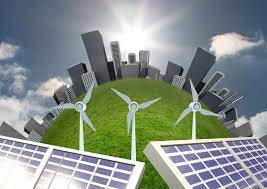
In today’s world, the pressing need for sustainable energy solutions has never been more apparent. With the adverse effects of climate change becoming increasingly evident, the transition to renewable and sustainable energy sources has become imperative. Let’s delve into the realm of sustainable energy solutions, exploring the innovations, benefits, and opportunities they offer for a cleaner, greener future.
Understanding Sustainable Energy Solutions
Sustainable energy solutions encompass a diverse range of technologies and practices aimed at harnessing renewable energy sources while minimizing environmental impact and promoting long-term sustainability. These solutions prioritize the use of clean, renewable resources such as solar, wind, hydro, geothermal, and biomass energy, as opposed to fossil fuels, to meet energy needs.
The Advantages of Sustainable Energy Solutions
1. Environmental Benefits
One of the primary advantages of sustainable energy solutions is their significant environmental benefits. Unlike fossil fuels, which emit greenhouse gases and contribute to air and water pollution, renewable energy sources produce minimal or no harmful emissions, helping to mitigate climate change and reduce environmental degradation.
2. Energy Security and Independence
Sustainable energy solutions enhance energy security and independence by diversifying energy sources and reducing reliance on imported fossil fuels. By harnessing locally available renewable resources, communities, regions, and nations can strengthen their energy resilience, reduce vulnerability to supply disruptions, and promote energy sovereignty.
3. Economic Opportunities
The transition to sustainable energy solutions creates economic opportunities and drives job creation across various sectors. From renewable energy infrastructure development to manufacturing, installation, and maintenance, the renewable energy industry offers a wealth of employment opportunities, fostering economic growth, innovation, and entrepreneurship.
4. Cost-Effectiveness
Contrary to common misconceptions, sustainable energy solutions have become increasingly cost-effective and competitive with conventional energy sources. The declining costs of renewable energy technologies, coupled with advancements in efficiency and scalability, have made renewable energy more accessible and economically viable for businesses, governments, and consumers alike.
5. Social and Health Benefits
Sustainable energy solutions deliver significant social and health benefits by improving air quality, reducing pollution-related health risks, and enhancing quality of life. By transitioning to clean, renewable energy sources, communities can mitigate the adverse health effects of air and water pollution, alleviate energy poverty, and promote environmental justice.
Applications of Sustainable Energy Solutions
1. Solar Photovoltaic (PV) Systems
Solar PV systems harness sunlight to generate electricity through photovoltaic cells, offering a clean, renewable energy source for residential, commercial, and industrial applications. Solar PV arrays can be installed on rooftops, ground-mounted systems, or integrated into building facades, providing on-site generation and grid-connected power.
2. Wind Turbines
Wind turbines harness the kinetic energy of wind to generate electricity through rotational motion, offering a reliable and scalable source of renewable energy. Onshore and offshore wind farms utilize wind turbines of varying sizes and capacities to generate electricity for local communities, utilities, and industries, contributing to grid stability and energy diversification.
3. Hydropower Systems
Hydropower systems harness the energy of flowing water to generate electricity through turbines, dams, and hydroelectric power plants. From large-scale hydropower installations to small-scale run-of-the-river systems, hydropower offers a versatile and reliable source of renewable energy for electricity generation, irrigation, and water management.
4. Geothermal Energy
Geothermal energy harnesses the natural heat stored within the Earth’s crust to generate electricity and heat buildings through geothermal power plants and heating systems. Geothermal reservoirs, geysers, and hot springs provide sustainable sources of heat and power, offering reliable and consistent energy production with minimal environmental impact.
5. Biomass and Bioenergy
Biomass and bioenergy systems utilize organic materials such as wood, agricultural residues, and organic waste to produce heat, electricity, and biofuels. Biomass boilers, biogas digesters, and biofuel refineries convert biomass feedstocks into energy products, offering renewable alternatives to fossil fuels for heating, transportation, and power generation.
Conclusion
In conclusion, sustainable energy solutions offer a path towards a cleaner, greener, and more sustainable future for generations to come. By embracing renewable energy sources, promoting energy efficiency, and adopting innovative technologies and practices, we can mitigate climate change, reduce environmental impact, and create a more resilient and equitable energy system.
For your next project or endeavor, consider incorporating sustainable energy solutions to minimize environmental impact, reduce energy costs, and promote long-term sustainability. With their myriad benefits and opportunities, sustainable energy solutions offer a pathway towards a brighter and more sustainable future for all.
