


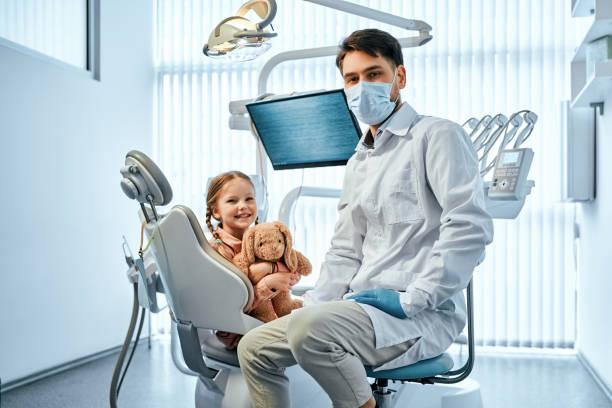
Imagine your child being in the hospital – a place that is likely unfamiliar and intimidating to them. One of the small but significant things that can provide comfort and a sense of familiarity in such a situation is the paediatric hospital gown. This seemingly simple garment has a profound role to play in the healthcare experience of a child. This blog post delves into the world of paediatric hospital gowns, exploring their purpose, design, sizing, role in child-friendly healthcare, and factors to consider when choosing and buying them.
The Importance and Purpose of Pediatric Hospital Gowns
Paediatric hospital gowns serve a crucial function beyond mere apparel. They are thoughtfully designed to maintain a child’s dignity, comfort, and accommodate their specific medical needs during hospital stays and procedures. These gowns are uniquely structured for hassle-free dressing and undressing, ensuring easy access for healthcare workers and minimal discomfort for young patients. They are particularly accommodating for medical equipment and intravenous lines, ensuring the child’s safety and comfort during their treatment. The convenience and practicality offered by pediatric hospital gowns streamline the process of examination and treatment, reducing stress and discomfort for both the child and healthcare provider.
Understanding the Design of Pediatric Hospital Gowns
The design of pediatric hospital gowns is centered around two main aspects: comfort and ease of use. The gowns are crafted from soft, hypoallergenic fabrics to ensure children’s sensitive skin is not irritated. A characteristic feature of these gowns is the vibrant prints and colors incorporated into their design. The aim is to create a friendly and appealing aesthetic that helps mitigate fear or unease in a hospital setting. In terms of construction, these gowns usually include features like snap or tie closures, designed to simplify dressing and undressing and to facilitate easy access for medical examinations. Despite their full-coverage design, they are intended to allow healthcare professionals to perform their duties without hindrance. Each element of the design underscores the ultimate goal: to ensure the child’s well-being and ease during their hospital stay.
Sizing and Fitting Considerations for Pediatric Gowns
Pediatric gowns cater to a wide age range, from newborns to teenagers, hence they come in various sizes. Ensuring a proper fit is pivotal to maximize comfort and ease during procedures. Oversized gowns might pose a problem by being cumbersome and unwieldy, whereas undersized ones may limit movement and cause discomfort. To cater to this, many gowns incorporate adjustable ties or snaps that allow for a more personalized fit. It is advisable to pay close attention to the size charts and measurements provided by the manufacturer when selecting a gown. Doing so ensures the gown fits your child appropriately, enhancing their overall comfort and ease during their hospital stay.
The Role of Pediatric Hospital Gowns in Child-Friendly Healthcare
Pediatric hospital gowns are instrumental in creating a child-friendly healthcare environment. By incorporating attractive designs, bright colors, and fun prints, these gowns can lessen a child’s apprehension associated with hospital stays. These familiar and comforting elements can help to demystify the hospital experience, making it less daunting and more approachable for young patients. Many hospitals also empower children by allowing them to select their gown, which can provide a sense of autonomy in an otherwise controlled setting. Thus, pediatric gowns are more than just functional garments, they are also tools that can be used to foster a more positive and less intimidating hospital experience for children.
Choosing and Buying Pediatric Hospital Gowns
When selecting pediatric hospital gowns, prioritize comfort and practicality. Opt for gowns crafted from soft, hypoallergenic fabrics that won’t irritate your child’s skin. Accessibility is key, so ensure the gowns have user-friendly closures and sufficient coverage for medical examinations. Remember to pick gowns with appealing designs and prints to help ease your child’s anxiety about the hospital. Durability is another crucial factor, especially for prolonged hospital stays. Various outlets, such as online medical supply retailers, specialty stores, and occasionally hospitals themselves, sell these gowns. Always consider your child’s preference and comfort when choosing the right gown.
Conclusion
Ultimately, pediatric hospital gowns are more than just an item of clothing. They play a vital role in a child’s healthcare experience, providing both practical utility and emotional comfort. The knowledge of their design, use, and selection is a valuable tool for anyone involved in a child’s hospital stay, be it a medical professional or a guardian. Ensuring the right gown – one that is comfortable, practical, and appealing to the child – can significantly enhance a child’s comfort and overall hospital experience. So next time you find yourself in the midst of choosing a gown, remember the pivotal role it plays and make an informed decision for the welfare of the child.
