


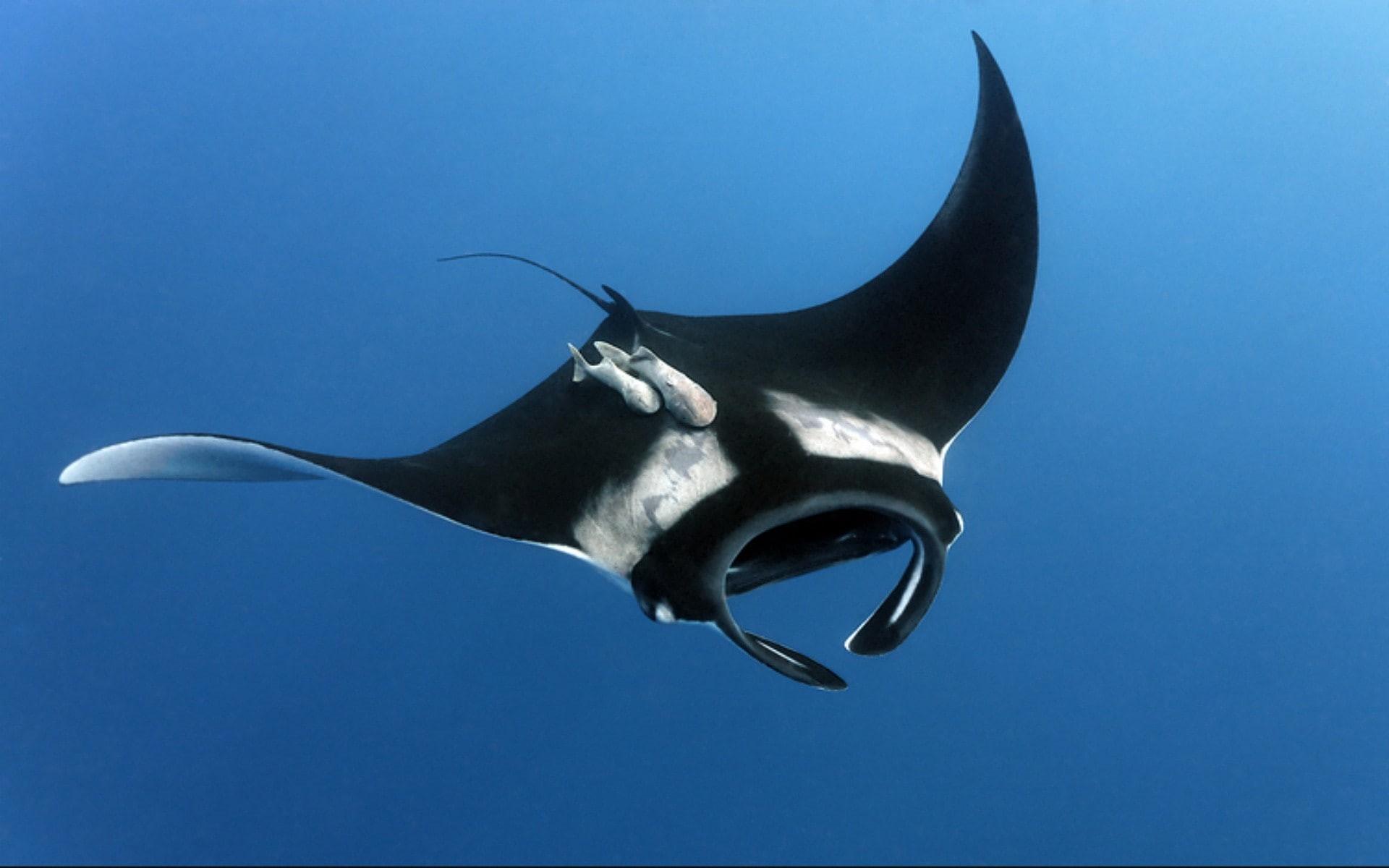
When it comes to experiencing the wonders of the ocean, few encounters are as magical and awe-inspiring as watching manta rays gracefully glide through the underwater world. Manta ray watching is an extraordinary activity that allows you to connect with these gentle giants in their natural habitat. In this article, we will guide you on how to experience the magic of manta ray watching, from where to go to what to expect, and why it’s essential for both the oceans and your soul.
The Enchanting World of Manta Ray Watching
Manta rays are among the most captivating creatures you can encounter in the ocean. With their wide wingspans, they appear as underwater birds, gracefully soaring through the deep blue. These majestic creatures are known for their gentle nature, and their sheer size can leave even the most experienced divers in awe.
Manta rays belong to the family Mobulidae and come in two main species: the giant oceanic manta ray (Manta birostris) and the reef manta ray (Manta alfredi). They are filter feeders, using their enormous mouths to sift out plankton and small fish from the water, making them harmless to humans. This peaceful disposition and their incredible beauty have made them a beloved subject for underwater enthusiasts and researchers alike.
Where to Experience Manta Ray Watching
To experience the magic of Manta Ray Watching, you’ll need to travel to specific locations around the world where these gentle giants are known to gather. Here are some top destinations for manta ray encounters:
- Hawaii, USA: The Kona coast on the Big Island of Hawaii is famous for its manta ray night dives. These dives are conducted near strong lights that attract plankton, which, in turn, attract the mantas. You can snorkel or scuba dive in this unique and unforgettable experience.
- Maldives: The Maldives is a tropical paradise known for its crystal-clear waters and abundant marine life. Various dive sites in the Maldives offer the opportunity to see manta rays year-round.
- Indonesia: Places like Komodo National Park and Nusa Penida are popular manta ray-watching spots. The currents around these islands create nutrient-rich waters, attracting these magnificent creatures.
- Mexico: The Revillagigedo Islands, often referred to as the “Mexican Galapagos,” are a remote and pristine area known for its incredible marine biodiversity, including manta rays.
- Palau: This Micronesian paradise is home to one of the world’s most famous manta ray cleaning stations, where the rays come to be cleaned by smaller fish.
- Thailand: Spots like the Similan Islands and Koh Bon are well-known manta ray hotspots, offering divers a chance to witness these elegant creatures up close.
What to Expect When Manta Ray Watching
Manta ray watching is an experience like no other, but what can you expect when you decide to take the plunge, literally? Here are some key aspects to keep in mind:
- Underwater Beauty: When you descend into the water to watch manta rays, prepare to be mesmerized by the beauty of the underwater world. The crystal-clear waters, colorful corals, and other marine life will leave you in awe.
- Guided Tours: It’s recommended to join a guided manta ray tour with experienced instructors. They will ensure your safety, provide knowledge about the mantas, and take you to the best spots for encounters.
- Night Diving: Many manta ray experiences are night dives, which is when mantas often come to feed. Diving or snorkeling with mantas at night can be a surreal and enchanting experience as the rays glide through the darkness with their white bellies illuminated by the lights.
- Respect Nature: Remember to maintain a respectful distance from the mantas and avoid touching them. These creatures are sensitive to human contact, and we should strive to protect and preserve their natural behaviours.
- Photography: If you’re into underwater photography, manta ray encounters provide fantastic opportunities to capture stunning images. Just ensure that your camera equipment is suitable for underwater use and respects the environment.
The Magic of Manta Ray Watching
So, why is the manta ray so magical? Apart from their breathtaking beauty and gentle nature, there are several reasons why this experience is extraordinary:
- Biodiversity: Manta ray often takes place in areas with incredible marine biodiversity. You can witness various species of fish, corals, and other sea creatures that coexist with mantas.
- Conservation Awareness: Encounters with mantas can foster a sense of stewardship for the oceans. These creatures are vulnerable to environmental threats like pollution and overfishing. By experiencing them in their natural habitat, you become more aware of the importance of ocean conservation.
- Connection with Nature: Watching manta rays in their natural habitat is a powerful way to reconnect with nature. It’s an opportunity to step away from the hustle and bustle of everyday life and immerse yourself in the serene world beneath the waves.
- Educational Experience: Many manta ray-watching tours are led by marine biologists or knowledgeable guides who share valuable insights about these creatures and the marine ecosystem. You can learn about their behaviours, migration patterns, and the challenges they face.
A Magical Experience for Everyone
Manta ray watching isn’t limited to seasoned divers and snorkelers. Many tours are designed to cater to various skill levels. You can often find experiences suitable for beginners, making this magical encounter accessible to all.
Whether you’re an underwater enthusiast or someone seeking a new adventure. Manta ray watching offers a unique blend of wonder, education, and inspiration. It’s a chance to witness the magic of the ocean in all its glory and to make a personal connection with one of the ocean’s most enchanting creatures.
In the end, the magic of manta ray watching is not just about the mantas themselves. It’s about the enchantment of the underwater world. The profound impact it can have on your understanding of nature and conservation. So, take the plunge, dive into the depths, and experience the magic of manta rays watching for yourself. You won’t be disappointed.
Also Read: Turtle Eggs Hatching
