


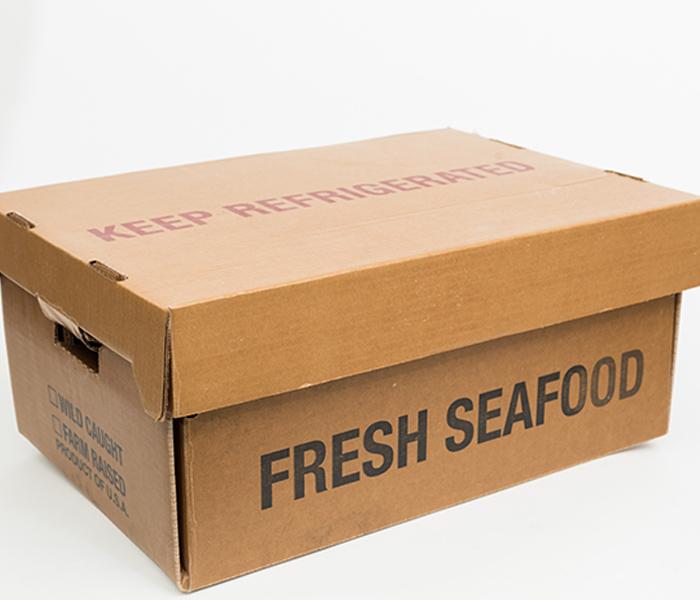
When it comes to the seafood industry, maintaining the freshness and quality of the product from the point of catch to the consumer’s plate is paramount. High-quality seafood packaging boxes play a crucial role in achieving this goal. Investing in the right packaging can significantly impact your business, whether you are a fisherman, distributor, or retailer. In this blog, we will explore the benefits of using high-quality seafood packaging boxes, offer actionable tips, and provide advice on how to choose the best packaging for your needs.
The Importance of Quality Packaging
Preserving Freshness
One of the primary reasons to invest in high-quality seafood packaging boxes is to preserve the freshness of the fish. Fresh seafood is highly perishable and prone to spoilage. Effective packaging helps maintain the correct temperature, reduces the risk of contamination, and prevents moisture loss, all of which are essential for keeping seafood fresh.
Ensuring Safety
Food safety is a critical concern in the seafood industry. Poor packaging can lead to contamination from bacteria, chemicals, and physical hazards. High-quality packaging provides a barrier that protects the seafood from these risks, ensuring that it reaches consumers in a safe condition.
Benefits of High-Quality Seafood Packaging Boxes
- Temperature Control
Maintaining the correct temperature is vital for preserving the quality of seafood. High-quality packaging boxes often come with insulation properties that help keep the seafood at the desired temperature during transportation and storage. This is particularly important for frozen seafood.
• Example: Polywoven bags for frozen fish are excellent for maintaining low temperatures, ensuring that the fish remains frozen throughout its journey from the sea to the supermarket.
- Durability and Protection
Durable packaging is essential for protecting seafood during handling and transportation. High-quality seafood packaging boxes are designed to withstand rough handling, stacking, and the harsh conditions of transportation without breaking or tearing.
• Example: Sturdy, reinforced boxes can prevent physical damage to the seafood, reducing the risk of spoilage and waste.
- Branding and Marketing
Packaging is not just about protection; it’s also a powerful marketing tool. High-quality packaging can enhance your brand image and make your products more appealing to consumers. Well-designed packaging with clear labeling and attractive graphics can help your products stand out on the shelves.
• Example: A seafood company can use custom-printed boxes with their logo, brand colors, and product information to create a professional and trustworthy image.
Tips for Choosing the Best Seafood Packaging Boxes
- Assess Your Needs
Before selecting packaging, assess your specific needs. Consider the type of seafood you are packaging, the required shelf life, and the conditions during transportation and storage. This will help you choose packaging that offers the right level of protection and preservation.
- Consider Insulation
For frozen and chilled seafood, insulation is a key factor. Look for packaging that provides excellent thermal insulation to maintain the required temperature. Polywoven bags for frozen fish are an ideal choice for this purpose.
- Evaluate Durability
Choose packaging that is durable and resistant to tearing, punctures, and moisture. This ensures that the seafood is protected from physical damage and environmental factors that can lead to spoilage.
- Check for Food-Grade Materials
Ensure that the packaging is made from food-grade materials that are safe for direct contact with seafood. This helps prevent contamination and ensures compliance with food safety regulations.
- Opt for Sustainable Options
Sustainability is increasingly important to consumers. Look for eco-friendly packaging options that are recyclable or biodegradable. This not only reduces your environmental impact but also appeals to environmentally conscious customers.
Actionable Tips for Using Seafood Packaging Boxes
Proper Labeling
Proper labeling is essential for tracking and managing seafood products. Clearly label each package with the type of seafood, the date of catch, and any handling instructions. This helps with inventory management and ensures that the seafood is used within its shelf life.
• Example: Use waterproof labels that remain legible even in wet or cold conditions.
Efficient Packing
Efficient packing helps maximize the use of space and reduces the risk of damage. Arrange seafood in a way that minimizes movement within the box. Use dividers or cushioning materials if necessary to prevent the seafood from shifting during transit.
• Example: When packing delicate items like fillets, use layers of protective material to cushion them and prevent breakage.
Regular Monitoring
Regularly monitor the condition of the packaging during storage and transportation. Check for signs of damage, moisture accumulation, or temperature fluctuations. Address any issues promptly to prevent spoilage and maintain quality.
• Example: Use temperature loggers to track the temperature inside the packaging during transit and storage.
The Role of Polywoven Bags for Frozen Fish
Polywoven bags are a popular choice for packaging frozen fish due to their excellent durability and insulation properties. These bags are made from woven polypropylene, which provides several benefits:
• Thermal Insulation: Polywoven bags help maintain a consistent low temperature, crucial for keeping frozen fish in optimal condition.
• Strength and Durability: These bags are resistant to tearing and punctures, ensuring that the fish is protected from physical damage.
• Moisture Resistance: Polywoven bags are moisture-resistant, preventing water from compromising the quality of the fish.
Conclusion
Investing in high-quality seafood packaging boxes is essential for ensuring the freshness, safety, and marketability of your seafood products. From maintaining temperature control to providing durability and enhancing brand image, the right packaging can significantly impact your business’s success. By assessing your needs, choosing the right materials, and following best practices for packing and labeling, you can ensure that your seafood reaches consumers in the best possible condition. Remember, quality packaging is not just an expense; it’s an investment in the future of your business.
