


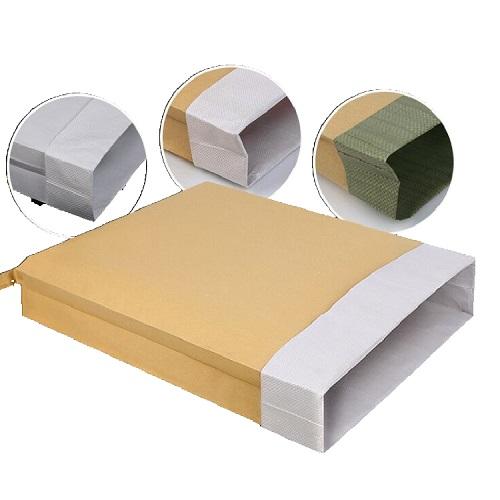
In the world of seafood, maintaining the freshness and quality of fish during transportation and storage is paramount. For those involved in the seafood supply chain, including commercial fishing operations and wholesalers, choosing the right packaging is crucial. Polywoven bags for frozen fish are increasingly becoming a preferred choice due to their numerous advantages. In this article, we will explore the top benefits of using polywoven bags for preserving frozen fish, and how they compare to other frozen seafood packaging solutions.
Why Choose Polywoven Bags for Frozen Fish?
Polywoven bags are a popular choice for frozen seafood packaging due to their durability, efficiency, and practicality. Here’s why they stand out:
- Enhanced Durability and Strength
Polywoven bags for frozen fish are known for their exceptional strength and durability, making them ideal for handling the rigors of commercial fishing and transportation:
• Resistant to Tears and Punctures: The woven fabric is less likely to tear or puncture, ensuring that the fish remains secure during handling and transport.
• Heavy-Duty Construction: These bags can hold substantial weight without compromising their structural integrity, making them suitable for bulk quantities of frozen fish.
- Moisture and Air Resistance
Proper preservation of frozen fish requires effective moisture and air control. Polywoven bags offer several advantages in this area:
• Moisture Barrier: The material used in polywoven bags is designed to resist moisture, preventing freezer burn and maintaining the quality of the fish.
• Breathable Fabric: Unlike solid plastic, polywoven fabric allows for some air circulation, which helps prevent condensation and ice build-up inside the bag.
Advantages Over Other Packaging Solutions
When compared to traditional seafood packaging boxes and other materials, polywoven bags offer several distinct benefits:
- Cost-Effectiveness
Polywoven bags often come at a lower cost compared to rigid packaging solutions, making them a cost-effective choice for large-scale operations:
• Affordable Bulk Purchasing: These bags are generally less expensive when bought in bulk, providing significant savings for commercial fishing operations and wholesalers.
• Lower Shipping Costs: The lightweight nature of polywoven bags reduces shipping costs compared to heavier, rigid containers.
- Versatility and Customization
Polywoven bags offer a high degree of versatility and customization, which can enhance your packaging strategy:
• Custom Sizes and Designs: Bags can be customized in various sizes to fit different types of frozen seafood and can be designed with specific branding or informational prints.
• Ease of Use: The flexibility of polywoven bags makes them easy to pack, store, and handle, improving overall efficiency in the supply chain.
Practical Applications in Commercial Fishing
In the context of commercial fishing ship supply, polywoven bags offer several practical benefits:
- Efficient Storage and Handling
On commercial fishing ships, space and efficiency are crucial:
• Space-Saving: Polywoven bags can be easily stacked and stored in tight spaces, optimizing storage on board.
• Ease of Handling: The lightweight and flexible nature of the bags make them easier to handle and maneuver compared to rigid boxes.
- Protection During Transit
During transport from the ship to the processing plant or market, maintaining the integrity of the frozen fish is essential:
• Reduced Risk of Damage: The durable material helps protect the fish from physical damage and environmental factors during transit.
• Temperature Retention: While not as insulated as some options, polywoven bags can be used in conjunction with ice packs or gel packs to maintain the proper temperature.
Tips for Optimal Use of Polywoven Bags
To maximize the benefits of using polywoven bags for frozen fish, consider the following tips:
- Ensure Proper Sealing
Sealing Techniques: Use appropriate sealing techniques to ensure that the bags are airtight and free from leaks. This helps prevent freezer burn and maintains fish quality.
- Regularly Inspect Bags
• Quality Checks: Regularly inspect the condition of the bags to ensure there are no signs of wear or damage that could affect their performance.
• 3. Combine with Other Packaging Solutions
• Layering with Boxes: For added protection, consider using polywoven bags in combination with seafood packaging boxes for an additional layer of insulation and protection.
Sustainability Considerations
As sustainability becomes increasingly important in seafood packaging, polywoven bags also offer some environmental benefits:
• Reusability: Many polywoven bags are reusable, which helps reduce waste compared to single-use packaging options.
• Recyclability: Some polywoven materials can be recycled, depending on local recycling programs and facilities.
Conclusion
Polywoven bags offer numerous advantages for preserving frozen fish, including their durability, moisture resistance, cost-effectiveness, and versatility. They are an excellent choice for commercial fishing ship supply and frozen seafood packaging, providing an effective solution for maintaining the quality of best frozen fish fillets and other frozen seafood products. Their ability to handle bulk quantities, protect against physical damage, and support efficient storage and transport makes them a valuable asset in the seafood industry.
By incorporating polywoven bags into your packaging strategy, you can enhance operational efficiency, reduce costs, and contribute to a more sustainable approach to seafood preservation. Embrace the benefits of polywoven bags to ensure that your frozen fish remains fresh and high-quality from the ocean to the table.
