



In the ever-evolving world of textiles, fabric trends come and go, and with them, certain materials fall out of favor. While some fabrics are phased out due to changes in fashion, production limitations, or environmental concerns, they often hold a special place in the hearts of designers, collectors, and enthusiasts. In this article, we delve into the intriguing realm of discontinued fabrics, exploring their history, impact, and the reasons behind their discontinuation.
The History of Discontinued Fabrics
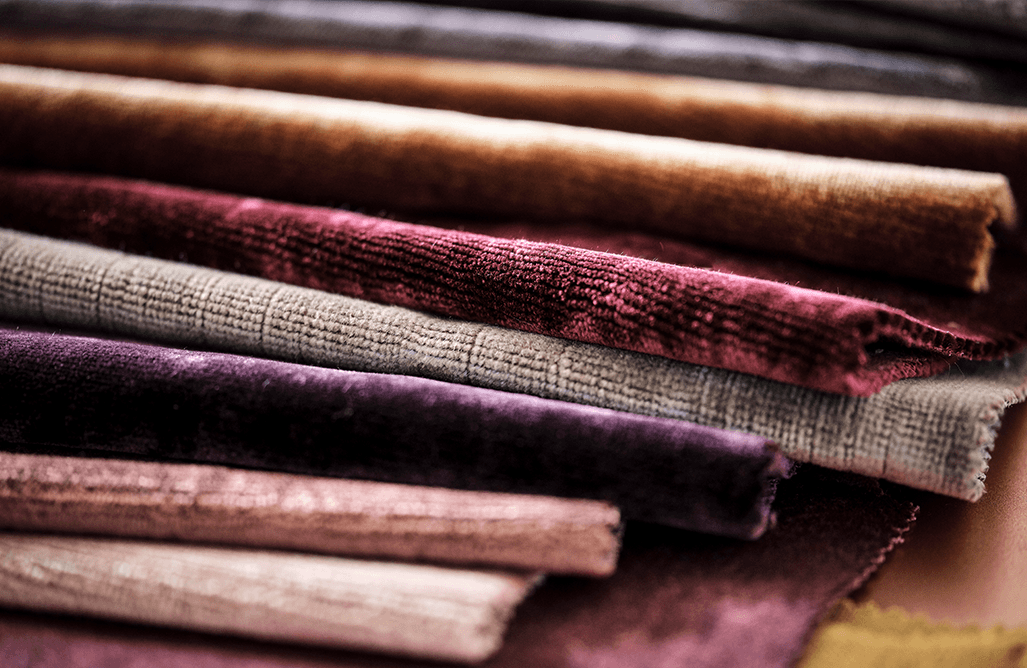
Discontinued fabric often have rich histories that tell stories of their time. Fabrics like moire silk, known for its distinctive watermarked pattern, or velvet with intricate designs, were once at the height of luxury and fashion. As tastes and technologies evolved, however, these fabrics were replaced by new innovations and materials. The legacy of these discontinued textiles can still be seen in vintage fashion, historical garments, and even in some modern reinterpretations.
Why Fabrics Get Discontinued
1. Changing Fashion Trends
Fashion is notoriously cyclical, with styles and materials falling in and out of favor. Fabrics that were once highly sought after may become outdated as new trends emerge. For instance, the popularity of polyester in the mid-20th century has waned as natural fibers and sustainable materials have gained traction.
2. Production Challenges
Some fabrics become discontinued due to difficulties in production. This could be due to the scarcity of raw materials, high production costs, or technological limitations. For example, certain intricate weaves or dyes may be too costly or complex to produce on a large scale, leading manufacturers to phase out these fabrics in favor of more practical options.
3. Environmental Concerns
With growing awareness of environmental issues, there has been a shift towards more sustainable practices in the textile industry. Fabrics that are not environmentally friendly or are produced using harmful chemicals may be discontinued as brands and manufacturers strive to reduce their ecological footprint.
The Impact of Discontinued Fabrics
The discontinuation of a fabric can have various impacts:
1. Nostalgic Value
For collectors and enthusiasts, discontinued fabrics can hold nostalgic value. Vintage garments made from these materials are often prized for their unique qualities and historical significance. The rarity of discontinued fabrics can make them highly sought after in the second-hand market.
2. Influence on Design
Designers often draw inspiration from historical and discontinued fabrics. The unique characteristics of these materials can influence modern fashion and interior design, leading to a resurgence of interest in classic styles and techniques.
3. Economic Implications
The discontinuation of certain fabrics can have economic implications for textile producers and designers who specialize in these materials. When a fabric is phased out, there may be a shift in demand, affecting businesses that rely on the production or sale of these textiles.
Reviving Discontinued Fabrics
In recent years, there has been a growing interest in reviving discontinued fabrics. Designers and manufacturers are exploring ways to recreate or reinterpret these materials using modern techniques and sustainable practices. This revival not only honors the heritage of these fabrics but also provides a fresh perspective on their use in contemporary design.
Conclusion
Discontinued fabrics represent a fascinating intersection of fashion, history, and technology. While they may no longer be in vogue, their legacy continues to influence and inspire. As we move forward, it is essential to remember and appreciate the rich stories and contributions of these textiles, even as we embrace new innovations and materials in the world of fashion and design.
