


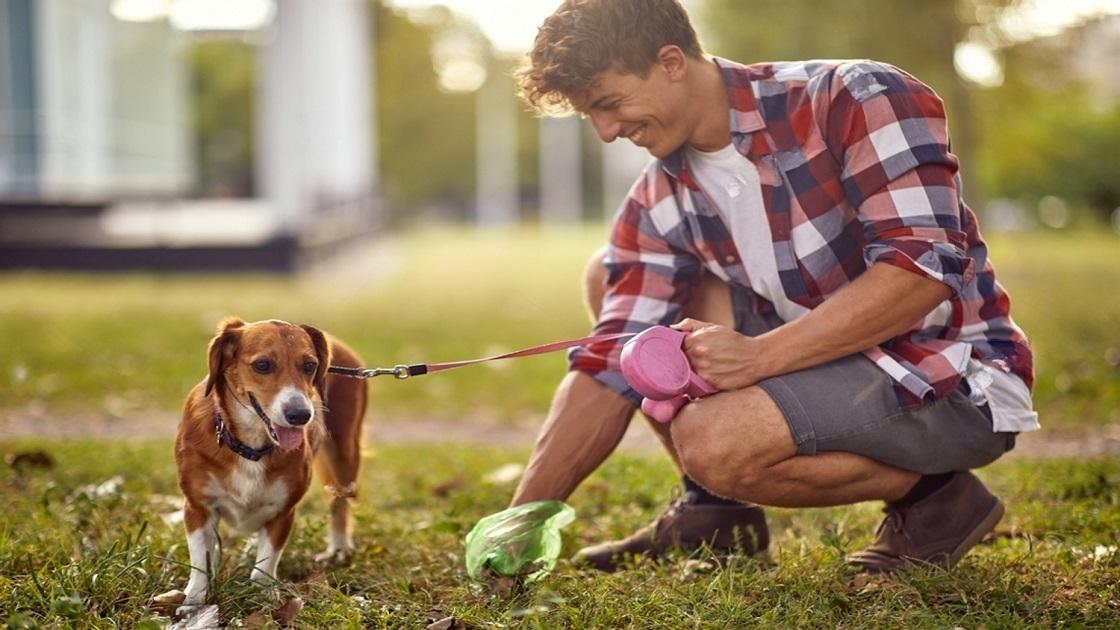
Dog waste is a common problem in many cities and neighborhoods. While it may seem like a minor inconvenience, not cleaning up after your dog can have serious consequences for the environment and public health. In this article, we will explore what happens if you don’t clean up after your dog and what you can do to be a responsible pet owner.
The Consequences of Dog Waste
Environmental Impact
Dog waste is not a natural fertilizer like cow manure. It contains harmful bacteria and parasites that can harm the environment and wildlife. When dog waste is left on the ground, it can be carried by rainwater into storm drains and water systems, which can contaminate rivers, lakes, and oceans. The nutrients in dog waste can also contribute to excessive growth of algae and other plant life, which can decrease water quality and oxygen levels and harm fish and other aquatic wildlife.
Public Health Impact
Dog waste is a breeding ground for disease-causing bacteria and parasites such as Salmonella, E. coli, and certain viruses. These harmful bacteria and parasites can survive in the soil for months, and even years, if not properly cleaned up. If animal waste is left on public property, such as parks and sidewalks, other dogs and pets can get sick from the bacteria and parasites in the waste. Pregnant women and children are particularly vulnerable to these diseases.
Common Misconceptions About Dog Waste
Myth: Dog waste is a natural fertilizer.
Reality: Dog waste is not a natural fertilizer like cow manure. It contains harmful bacteria and parasites that can harm the environment and wildlife.
Myth: It’s okay to use plastic grocery bags to pick up dog poop.
Reality: Plastic bags take hundreds of years to fully break down and can harm the environment. It’s more environmentally friendly to use biodegradable baggies or a pooper scooper.
Myth: It’s not my responsibility to clean up after my dog.
Reality: As a dog owner, it’s your responsibility to clean up after dogs eat after your pet. Not doing so is a violation of many city ordinances and can result in fines.
What You Can Do to Be a Responsible Pet Owner
Pick up after your dog.
Always carry poop bags or a pooper scooper with you when you walk your dog. Be sure to pick up your dog’s waste and dispose of it properly in a designated trash can.
Avoid letting your dog poop on public property.
Whenever possible, try to have your dog use your own yard or a designated dog park to do their business. If your dog does poop on public property, be sure to clean it up right away.
Use environmentally friendly options.
Consider using biodegradable baggies or a pooper scooper to clean up after the food for your dog. This is a more environmentally friendly option than using plastic grocery bags.
Spread the word.
Educate other dog owners in your community about the importance of cleaning up after their pets. Encourage them to be responsible pet owners and pick up after their dogs.
The environmental impact
Aside from the health risks to humans and other animals, dog waste also has an environmental impact. When left on the ground, dog waste can release harmful nutrients into the soil, leading to excessive growth of plant life. This can disrupt the natural balance of the ecosystem, harming plant and animal populations.
When dog waste is not properly disposed of, it can end up in water systems, causing harm to fish and other wildlife. Dog waste is also a major source of bacteria and nutrients that can cause excessive algae growth, leading to low oxygen levels in the water, which can kill fish and other aquatic life.
How to properly dispose of dog waste
Now that you understand the potential consequences of not cleaning up after your dog, it’s important to know how to properly dispose of your dog’s poop waste. The most common and environmentally friendly option is to use biodegradable baggies to pick up your pet’s waste. These can be purchased at most pet stores and are designed to break down naturally over time.
Another option is to use a pooper scooper, which allows you to pick up the waste without using plastic bags. This is a great option for those who want to reduce their use of single-use plastic, and many cities now have programs that provide free or discounted pooper scoopers to residents.
Regardless of which method you choose, it’s important to dispose of your dog feces or pet’s waste in a trash can, and not to leave it on the ground or in public property. It’s also important to avoid letting your dog eat other animals’ waste, as this can spread disease and harm the environment.
Conclusion
As a dog owner, it’s your responsibility to clean up after your pet. Not only is it a common courtesy to others who use public spaces, but it’s also necessary to protect the health of humans and other animals, as well as the environment. By properly disposing of your pet’s waste, you can help prevent the spread of disease-causing bacteria and parasites, and minimize the environmental impact of your pet’s poop and waste. So the next time you take your dog for a walk, be sure to bring along some poop bags or a pooper scooper, and do your part to keep our communities and natural spaces clean and healthy.

