


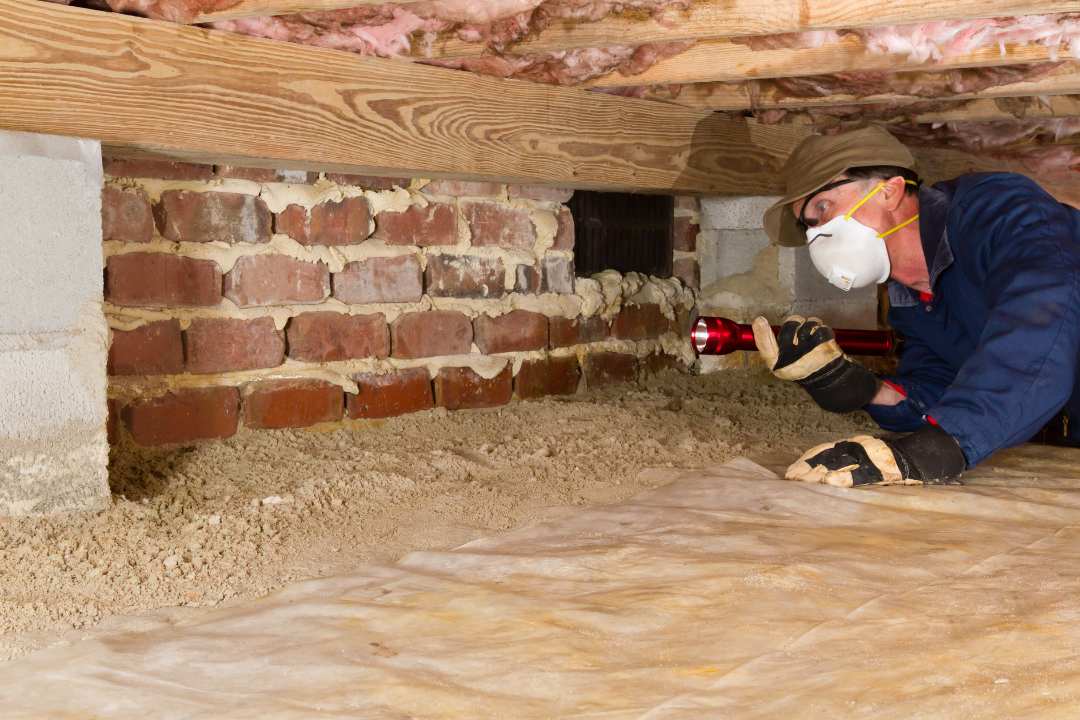
When purchasing a home, ensuring that the property is free of any pest infestations is crucial. Termites, for instance, can cause significant structural damage if not detected early and eradicated. Identifying signs of termite infestation during a home inspection can save you from future headaches and expenses. This article will discuss identifying termite infestation signs during a home inspection.
Look for Mud Tubes
Mud tubes are the most common sign of termite infestation. Termites use these tubes to travel from their nest to the food source, usually wood. You can spot these tubes on walls, foundations, and other wooden structures. Mud tubes are made of soil, wood particles, and termite saliva and look like thin, brown, pencil-sized tubes. If you notice mud tubes on the property, it is a sure sign that you have a termite infestation.
Check for Wood Damage
Termites feed on wood, which means they will cause significant structural damage if left unchecked. During a home inspection, check for any signs of wood damage. Tap on the wood surfaces, including the floors, walls, and ceilings, to determine if the wood sounds hollow. You can also use a screwdriver to probe the wood surface. If the wood is soft and breaks off easily, it is a sign of termite infestation.
For further information on home inspections, we recommend visiting Exxel Termite, where you can find valuable insights and resources to help you understand the importance of thorough inspections and effective termite management.
Look for Swarmers
Swarmers are winged termites that leave their nest to mate and establish new colonies. They are attracted to light and are usually seen swarming around windows and doors. During a home inspection, look for swarmers or their discarded wings. If you find these, it is a sign of an active termite infestation on the property.
Check for Termite Droppings
Termites produce frass, a mixture of termite feces and wood particles. This frass looks like tiny pellets and is usually found near termite nests. During a home inspection, check for termite droppings in the corners of the rooms, on the windowsills, and near wooden structures. If you find termite droppings, it is a sign of an active termite infestation on the property.
Inspect the Foundation
Termites often enter homes through the foundation. Inspect the foundation for any signs of termite infestation during a home inspection. Check for mud tubes, wood damage, and termite droppings. Pay special attention to the foundation walls and any attached wooden structures. Termites love to feed on wooden structures in contact with the soil.
Check for Moisture Problems
Termites are attracted to moisture. Any moisture problems in the property, such as leaks or water damage, can attract termites. During a home inspection, check for any signs of moisture problems. Look for water stains on the walls, ceilings, and floors. Inspect the plumbing, roof, and gutters for any leaks.
Inspect the Attic
Termites can infest the attic if there is wood in the space. Inspect the attic for any signs of termite infestation during a home inspection. Look for mud tubes, wood damage, and termite droppings. Pay special attention to any wooden structures in the attic, such as rafters and beams.
Look for Termite Nests
Termites build nests in the soil, which can be found near the property’s foundation. During a home inspection, look for termite nests near the foundation. These nests can be identified by the mud tubes that lead to them. If you find a termite nest, it is a sure sign that there is an active termite infestation.
Conclusion
Identifying signs of termite infestation during a home inspection is crucial in ensuring that the property you are purchasing is pest-free. Look for mud tubes, wood damage, swarmers, termite droppings, and moisture problems. Inspect the foundation, attic, and any wooden structures on the property. Call a professional pest control company to eradicate the problem if you find any signs of termite infestation.
