


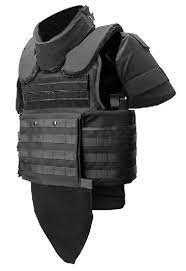
In today’s world, safety is of the utmost importance. From the military to law enforcement to civilians, everyone needs to be equipped with the right protective gear. And when it comes to protection, ballistic vests are the first line of defense against firearms and other ballistic threats. In this comprehensive guide, we will cover everything you need to know about ballistic vests, including their types, materials, levels of protection, and how to choose the right one for your needs.
1. Introduction
Ballistic vests, also known as body armor, are protective clothing designed to stop or reduce the impact of bullets, shrapnel, and other ballistic threats. They are made of high-strength materials that absorb the energy of the projectile and spread it out over a larger surface area, preventing it from penetrating the wearer’s body. Ballistic vests are essential for military and law enforcement personnel, as well as anyone who wants to protect themselves from gunfire.
2. What is a Ballistic Vest?
A ballistic vest is a piece of protective clothing that is designed to protect the wearer from ballistic threats. They are typically worn over the torso and can be made from a variety of materials, including Kevlar, Dyneema, and Spectra Shield. Ballistic vests can be either soft or hard, with the former being more flexible and comfortable to wear, and the latter providing more protection against high-caliber ammunition.
3. Types of Ballistic Vests
There are two main types of ballistic vests: soft armor vests and hard armor vests.
3.1 Soft Armor Vests
Soft armor vests are made from flexible materials that are designed to conform to the wearer’s body. They are typically made from Kevlar or other similar materials and are effective against most handgun rounds. Soft armor vests are lightweight and comfortable to wear, making them ideal for law enforcement officers and other professionals who need to wear them for extended periods.
3.2 Hard Armor Vests
Hard armor vests, on the other hand, are made from rigid materials such as ceramic plates or steel. They provide greater protection against high-caliber ammunition and other ballistic threats but are heavier and less comfortable to wear. Hard armor vests are typically used by military personnel and others who face a higher risk of encountering serious ballistic threats.
4. Ballistic Vest Materials
The materials used to make ballistic vests play a crucial role in their effectiveness. Some of the most common materials used include Kevlar, Dyneema, Spectra Shield, ceramic plates, and steel plates.
4.1 Kevlar
Kevlar is a type of aramid fiber that is used in the production of soft armor vests. It is a strong and lightweight material that is capable of stopping most handgun rounds. Kevlar works by absorbing and dispersing the energy of the projectile, preventing it from penetrating the vest and causing injury to the wearer.
4.2 Dyneema
Dyneema is a high-strength polyethylene fiber that is used in the production of both soft and hard armor vests. It is stronger and lighter than Kevlar, making it an excellent choice for ballistic protection. Dyneema is also resistant to moisture, UV rays, and chemicals, making it a durable and long-lasting material.
4.3 Spectra Shield
Spectra Shield is another type of high-strength polyethylene fiber that is commonly used in the production of soft armor vests. It is similar to Dyneema in terms of its strength and durability, but is also more heat-resistant and has a higher melting point.
4.4 Ceramic Plates
Ceramic plates are rigid armor inserts that are often used in hard armor vests. They are made from materials such as boron carbide, silicon carbide, or alumina and are effective at stopping high-velocity rounds. Ceramic plates work by shattering the projectile upon impact, spreading its energy over a larger surface area and preventing it from penetrating the vest.
4.5 Steel Plates
Steel plates are another type of rigid armor insert that is used in hard armor vests. They are heavier and less comfortable to wear than ceramic plates, but are also more affordable. Steel plates work by deforming and absorbing the energy of the projectile upon impact, preventing it from penetrating the vest.
5. Ballistic Vest Levels of Protection
Ballistic vests are classified according to their levels of protection, which are determined by the National Institute of Justice (NIJ) standards. There are several levels of protection available, each designed to stop a specific type of threat.
5.1 National Institute of Justice (NIJ) Standards
The NIJ is a research, development, and evaluation agency of the U.S. Department of Justice. It sets the standards for ballistic protection in the United States and assigns levels of protection to various types of armor.
5.2 Protection Levels
There are several levels of ballistic protection available, ranging from Level IIA to Level IV. Level IIA vests are designed to stop most handgun rounds, while Level IIIA vests are capable of stopping most handgun and shotgun rounds. Level III and IV vests are designed to stop high-velocity rifle rounds.
5.3 Rifle Protection Levels
Level III vests are designed to stop most rifle rounds, including 5.56mm and 7.62mm rounds. Level IV vests are designed to stop armor-piercing rifle rounds, including .30-06 AP and .338 Lapua Magnum.
6. How to Choose the Right Ballistic Vest
Choosing the right ballistic vest depends on several factors, including your intended use, comfort and fit, budget, and style and color preferences.
6.1 Intended Use
The type of ballistic vest you choose will depend on your intended use. Soft armor vests are ideal for law enforcement officers and other professionals who need to wear them for extended periods. Hard armor vests are typically used by military personnel and others who face a higher risk of encountering serious ballistic threats.
6.2 Comfort and Fit
Comfort and fit are also important considerations when choosing a ballistic vest. A properly fitting vest should be snug but not too tight, and should allow for a full range of motion. It should also be comfortable to wear for extended periods,
