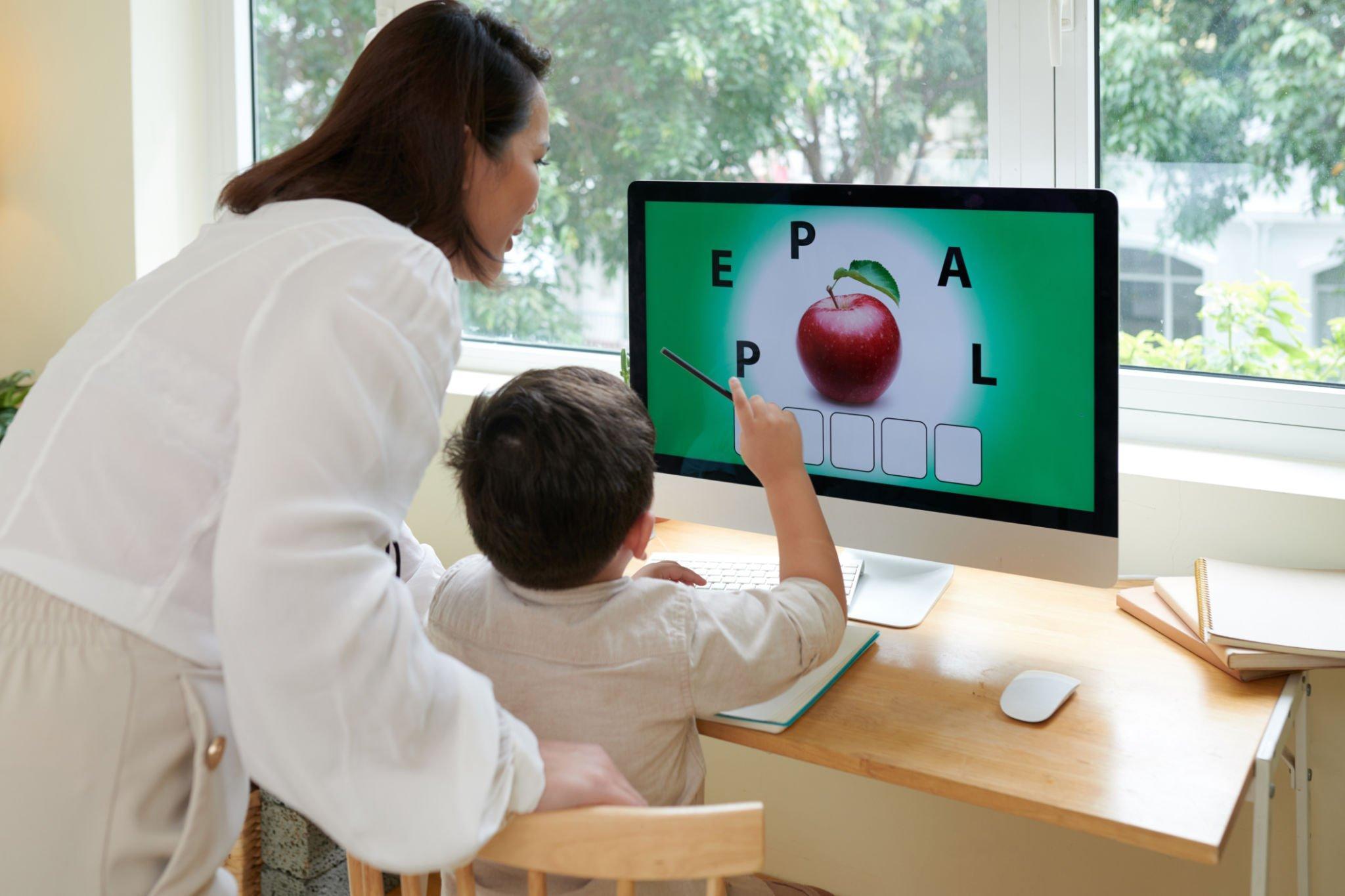
As technology advances and becomes more accessible, educators constantly seek new ways to engage and motivate students. One increasingly popular method is the use of computer games for instruction. Proponents of this approach argue that educational games can help students develop essential skills while making learning fun and engaging. However, others say that games can be a distraction and may only be suitable for some subjects or learning styles. In this article, we’ll explore the pros and cons of using computer games in classroom instruction and consider whether or not they’re a practical learning tool.
Pros of Using Computer Games in Classroom Instruction
1. Engagement and Motivation:
Games are designed to be engaging and fun, often motivating students to learn more than traditional classroom methods. By incorporating game-like elements such as challenges, rewards, and competition, teachers can create a more immersive and interactive learning experience that students are likelier to enjoy.
One of the main advantages of using computer games for classroom instruction is the engagement factor. Many students find
traditional classroom instruction dull and uninteresting. On the other hand, computer games are designed to be fun and engaging. Using games as part of lessons, teachers can help students stay focused and motivated throughout the study.
2. Personalized Learning:
Many educational games allow students to work independently and provide individualized feedback and support. This will enable them to focus on areas where they may need more help and progress at a comfortable speed.
Computer games can be designed to adapt to the individual needs of each student. By using games that adjust to each student’s skill level, teachers can provide a personalized learning experience. Students can work at their own pace without feeling rushed or bored.
3. Developing Problem-Solving Skills:
Games often require critical thinking, problem-solving, and decision-making skills. By incorporating these elements into classroom instruction, teachers can help students develop these skills in a fun and engaging way.
4. Learning by Doing:
Games often require active
participation, which can be more effective than passive learning methods such as lectures and reading. By doing, rather than just listening or reading, students are more likely to retain information and apply it in real-world situations.
5. Improved Memory Retention:
Games can also help students retain information by providing repetition and reinforcement. By repeating concepts fun and engagingly, students are more likely to remember them over time.
Cons of Using Computer Games in Classroom Instruction
1. Limited Learning Scope:
While games can effectively teach certain subjects, they may only be suitable for some topics. Games may not provide the depth of information needed for more complex issues such as math or science and may not be appropriate for more subjective subjects such as literature or history.
2. Distractions:
Games can be distracting and may take away valuable classroom time. Students may become too focused on the game and need to pay more attention to the actual lesson being taught.
3. Limited Interactivity:
Some games may need more interaction or personalization, leading to a one-size-fits-all approach to learning. This may only be effective for some students with different learning styles and preferences.
4. Cost:
Incorporating games into classroom instruction can be expensive, depending on the game and equipment needed. This may be challenging for schools with limited budgets or resources.
5. Potential for Addiction:
While games can be engaging and motivating, they can also be addictive. Students may become too focused on the game and must pay more attention to other aspects of their education or personal well-being.
Conclusion
While computer games can be effective for classroom instruction, they’re only suitable for some subjects or learning styles. Before incorporating games into teaching, teachers should consider the pros and cons and determine if it’s the best approach for their students. Additionally, it’s essential to ensure that games are being used to supplement traditional classroom methods rather than as a replacement. Ultimately, education aims to provide students with the skills and knowledge they need to succeed, and the use of computer games should be evaluated in light of this objective. If you need help with your online course and considering outsourcing your coursework, you can contact us to get
Do My Online Class to help you with that.