


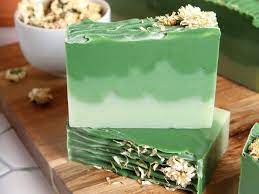
Making soap is an ancient art that has developed over many years. Making soap from scratch gives you complete creative control over the ingredients, scents, and finished result. Here, you’ll learn everything there is to know about soapmaking, from selecting the right ingredients to the various types of packaging available.
Introduction
People have relied on soap for millennia to keep themselves clean and healthy. Despite the widespread availability of mass-produced soaps, an increasing number of people are opting to make their bars of soap at home. Making soap at home provides a more personalized experience and healthier, more environmentally friendly materials.
The Art Of Making Soap
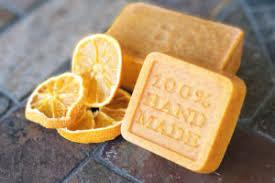
Knowing the fundamental components and tools for manufacturing soap is essential before digging in.
The Raw Materials
Typically, an alkali and fats or oils are mixed to create soap. Coconut, olive, and palm oils are the most prevalent fats. Saponification, the process of converting oils into soap, is triggered by an alkali, often known as lye or sodium hydroxide.
Required Tools
The following supplies are required to create soap from scratch:
- Wear safety gear such as goggles, gloves, and clothes.
- metal or plastic storage containers that can withstand high temperatures
- An electronic measuring device.
- To blend, use a hand mixer or a stick blender.
- Temperature measuring instrument
- Forming molds for bars of soap
- Soap cutters to make slices from the hardened bar
How Soap Is Made
Several procedures must be followed for soap to be produced safely and effectively. Let’s go over each of these procedures:
Put Security First
Since producing soap requires handling acidic materials, health and safety must always come first. Wear protective clothing, ensure enough fresh air, and have some vinegar or citric acid handy in case of lye spills.
Ingredient Measuring And Preparation
A successful batch of soap requires precise measurements. Accurately measure the oils and lye on separate digital scales. Following all safety precautions, dissolve the lye in water and allow it to cool.
Combine The Components.
Slowly add the lye solution to the oils once they have reached the right temperature. Mix with a hand whisk or immersion blender until it comes to a light trace, like thin pudding.
Flavoring And Sweetening
Essential oils, perfumes, colorants, and other ingredients can be added to the soap to improve its performance. To ensure that the ingredients are uniformly distributed, stir the mixture thoroughly.
You’ll Need To Pour And Shape The Soap

Soap molds come in various materials, including silicone, wood, and plastic, so pick the one you like most. Carefully pour the soap batter into the mold and spread it out to fill it. Tap the mold gently to remove air bubbles.
Soap Curing
Time is required for the soap to cure and solidify after it has been poured. The mold has to be fixed for 4 to 6 weeks in a cool, dry place. Soap undergoes a transformation called saponification during this period, softening and hardening.
Wrapping Soap In Packaging
Protecting your homemade soap from moisture and dust is essential to keeping it pristine for as long as possible. You can improve the visual appeal of your soap goods by purchasing appealing packaging.
Packaging’s Crucial Role
In addition to preserving the soap’s quality, attractive packaging can be used as a promotional strategy to attract new customers. Ingredients, scent, and instructions for use are all communicated. Having distinctive packaging that sets your soap apart from the competition is also essential for building brand loyalty.
Selecting Appropriate Containers

There is a wide range of options for Soap Wrapping Paper packaging. Let’s have a look at three common choices:
Tissue Paper
Packaging made from Kraft paper is adaptable and favorable to the environment. It lasts a long time, keeps out moisture quite well, and looks great in its raw, unfinished state. Soap bars are commonly packaged with Kraft paper, which offers natural elegance.
Cardboard
Because of its durability, more oversized soap items or gift sets benefit from cardboard packaging. It has plenty of room for engaging graphics, detailed descriptions, and company logos. Simple cardboard boxes can be embellished to showcase your soap’s unique features.
Fluted Paperboard
Corrugated paper is an excellent option for transporting delicate or fragile soap products due to its durability and cushioning. This additional packaging will keep your shipment safe from harm on the road.
Conclusion
It’s fun and creative to make soap from scratch. You can make soaps that are perfect for you by following the instructions in this book. Remember to put safety first, measure everything out precisely, and play around with flavors and spices. Soap is an investment, so package it well by selecting sturdy materials like kraft paper, cardboard, or corrugated paper.
