


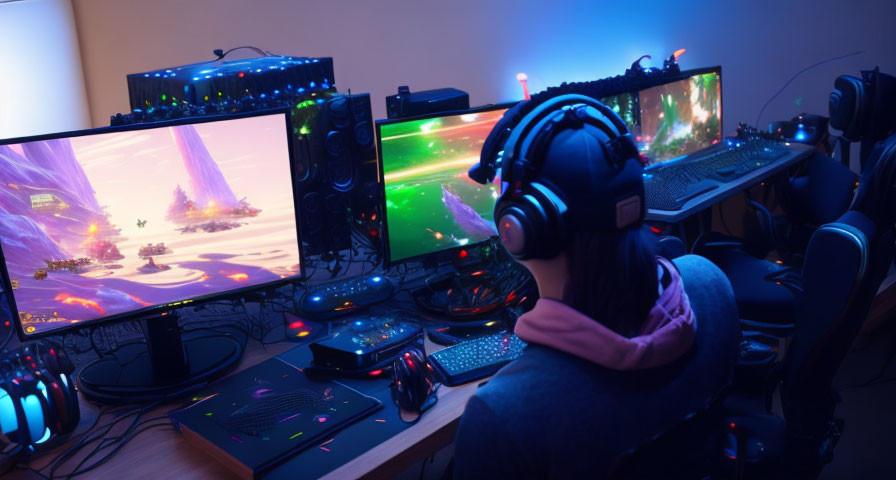
Introduction:
Game art studios, the creative powerhouses behind the gaming industry, play a vital role in producing visually captivating and immersive experiences. In this informational blog, we delve into the world of game art, exploring the significance of a game art studio in shaping the visual aesthetics of virtual worlds. From art direction to collaboration and the talented artists involved, we uncover how a game art studio brings forth remarkable creations that leave players in awe.
-
The Importance of Game Art:
Game art serves as the visual foundation of a video game, creating a compelling and immersive experience for players. It sets the tone, establishes the game’s atmosphere, and helps convey the narrative. The power of game art lies in its ability to evoke emotions, transport players to fantastical realms, and enhance gameplay through visually stunning environments, characters, and animations.
-
Elements of Game Art:
a. Concept Art: The initial stage of game art, concept art, involves creating visual representations of ideas and designs. It sets the artistic direction, establishes the visual style, and helps shape the overall aesthetic of the game.
b. Environment Art: Environment artists bring game worlds to life by designing and building immersive landscapes, architecture, and natural elements. They create detailed and realistic environments that enhance the player’s sense of exploration and immersion.
c. Character Art: Character artists are responsible for crafting the visual appearance and personality of in-game characters. They design unique and memorable characters, considering factors such as anatomy, proportions, costumes, and expressions, to breathe life into the game’s cast.
d. 2D and 3D Asset Creation: Game artists create a wide range of 2D and 3D assets, including textures, models, animations, and special effects. These assets add depth and realism to the game, ensuring that every visual element aligns with the desired artistic vision.
-
Technological Advancements in Game Art:
Advancements in technology have revolutionized the field of game art, enabling developers and artists to push creative boundaries. High-definition graphics, advanced rendering techniques, and real-time lighting systems have elevated the level of visual fidelity in modern games. Additionally, tools such as 3D modeling software, texture mapping programs, and animation tools have streamlined the creation process, empowering artists to bring their visions to life more efficiently.
-
The Role of Game Artists:
Game artists possess a unique blend of technical skills and artistic creativity. They collaborate closely with game designers, programmers, and other team members to ensure that the visuals align with the game’s overall vision and mechanics. Their ability to balance aesthetics, storytelling, and technical constraints is crucial in delivering an immersive and visually cohesive experience to players.
-
Emerging Trends in Game Art:
a. Procedural Generation: Procedural generation techniques allow game artists to create vast and diverse worlds with minimal manual effort. By utilizing algorithms and parameters, they can generate unique terrains, vegetation, and structures, providing endless possibilities for exploration.
b. Virtual Reality (VR) and Augmented Reality (AR): VR and AR technologies present exciting opportunities for game artists to create immersive and interactive experiences. They can design visually stunning environments and characters that respond to the player’s movements, enhancing the sense of presence and immersion.
c. Photorealism and Artistic Styles: Game art continues to evolve with diverse artistic styles, ranging from hyper-realistic visuals to stylized and cel-shaded aesthetics. Artists experiment with different techniques to deliver visually striking experiences that cater to different player preferences.
Conclusion:
Game art is an essential pillar of the gaming industry, responsible for crafting the captivating and visually stunning worlds that players explore. From concept art to environment design, character creation, and asset development, game artists play a vital role in shaping the player’s experience. As technology continues to advance, game art evolves with it, pushing the boundaries of visual fidelity and artistic expression. With each new generation of games, players can anticipate even more breathtaking visuals and immersive environments that transport them to extraordinary virtual realms. The future of game art holds endless possibilities, promising to deliver increasingly awe-inspiring experiences and further solidifying its status as a cornerstone of the gaming industry.
