


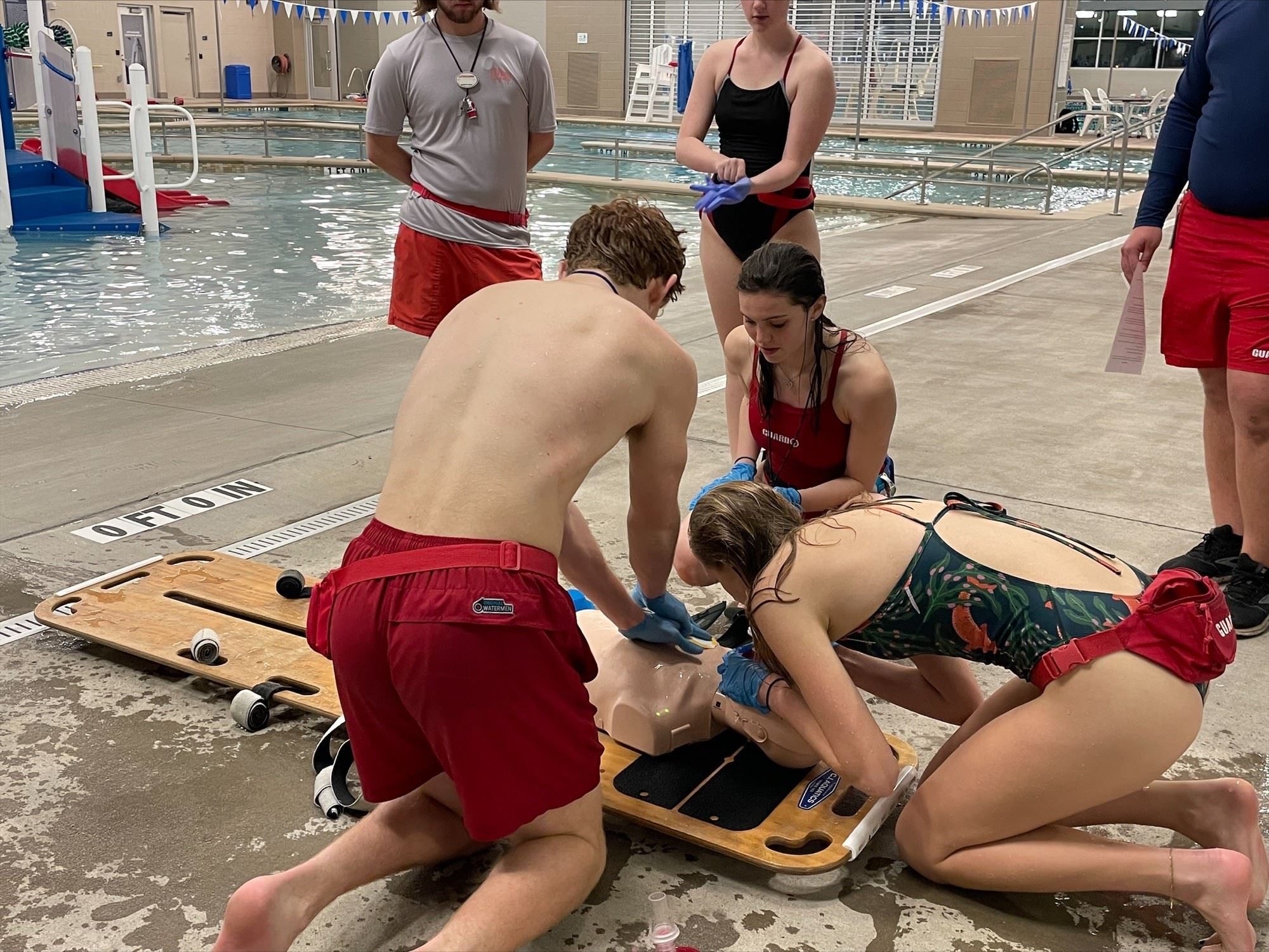
Lifeguards play a crucial role in ensuring the safety and well-being of swimmers and beachgoers. To become a professional lifeguard, individuals are required to complete a comprehensive lifeguard course that equips them with the necessary skills and knowledge to handle emergency situations. In this guide, we will explore the various components of a lifeguard course, including its importance, prerequisites, training modules, and certification process.
Importance of Lifeguard Training
The primary objective of a lifeguard course is to train individuals to prevent and respond to aquatic emergencies effectively. It is essential to recognize that swimming pools, beaches, and other water bodies can pose significant risks to people of all ages. Through comprehensive training, lifeguards acquire the skills and confidence to identify potential hazards, prevent accidents, and take immediate action when emergencies arise. Their presence not only instills a sense of security in swimmers but also ensures a safer environment for everyone involved.
Prerequisites for Lifeguard Course
Before enrolling in a lifeguard course, certain prerequisites must be met. These requirements may vary slightly depending on the certification program or organization offering the course. Generally, participants must be at least 15 years old (or older, in some cases), possess strong swimming skills, and be physically fit to handle the demands of the job. Additionally, some programs may require participants to hold certifications in CPR (Cardiopulmonary Resuscitation) and First Aid prior to attending the lifeguard course.
Training Modules
Lifeguard courses typically consist of both theoretical and practical training modules designed to provide a comprehensive understanding of lifeguarding techniques and protocols. Here are some key modules commonly found in lifeguard courses:
Water Safety and Rescue Skills: Participants learn about water safety rules, rescue techniques, and the use of essential lifesaving equipment such as rescue tubes, rescue boards, and flotation devices.
CPR and First Aid: Lifeguards must be proficient in administering CPR and First Aid in emergency situations. Courses cover topics such as assessing a victim’s condition, performing rescue breathing, chest compressions, and managing various injuries.
Surveillance and Prevention: Lifeguards are trained to actively monitor swimming areas, identify potential hazards, and take preventive measures to ensure the safety of patrons. This module focuses on scanning techniques, crowd management, and the importance of clear communication.
Emergency Response: Participants are taught how to respond swiftly and efficiently during emergency situations, including spinal injuries, drowning, and cardiac arrest. They learn to prioritize tasks, coordinate with emergency services, and provide critical care until professional help arrives.
Communication and Leadership: Effective communication and leadership skills are vital for lifeguards to handle crowd control, assist distressed swimmers, and work collaboratively with other team members. Courses emphasize clear and concise communication strategies and the importance of maintaining a calm demeanor during high-stress situations.
Certification Process
Upon completion of the lifeguard course, participants are required to pass both written exams and practical evaluations to obtain their lifeguard certification. The written exam tests their knowledge of lifeguarding principles, CPR, and First Aid, while the practical evaluation assesses their ability to perform various rescue techniques and respond appropriately in simulated emergency scenarios.
It is worth noting that lifeguard certifications typically have an expiration period, usually ranging from one to three years. To maintain their certification, lifeguards must participate in regular in-service training sessions to update their skills, stay up-to-date with the latest safety protocols, and refresh their knowledge on lifesaving techniques.
By completing a lifeguard course, individuals gain a deep understanding of water safety, rescue techniques, CPR, First Aid, and effective communication. This comprehensive training prepares lifeguards to prevent accidents, respond swiftly in emergency situations, and provide essential care to those in need.
Obtaining a lifeguard certification is a significant achievement that reflects a lifeguard’s commitment to ensuring the safety of others. However, the learning process doesn’t end with certification. Lifeguards must stay updated with the latest safety protocols, regularly participate in in-service training sessions, and continually refine their skills.
Conclusion
The role of a lifeguard carries immense responsibility and requires individuals who are dedicated, vigilant, and quick to react. By completing a lifeguard course, aspiring lifeguards not only gain the necessary knowledge and skills but also develop the confidence and mindset needed to handle challenging situations with professionalism and composure.
As we enjoy our time at pools, beaches, and other aquatic environments, it is important to remember the invaluable presence of lifeguards. They are the guardians of our safety, working diligently to ensure that everyone can enjoy the water while minimizing risks. The lifeguard course serves as the foundation for these everyday heroes, preparing them to be ever-ready to respond, protect, and save lives.
If you have a passion for water safety, a strong swimming ability, and a desire to make a positive impact, consider enrolling in a lifeguard course. By becoming a certified lifeguard, you join a dedicated community of professionals committed to the well-being of others. Remember, being a lifeguard is not just a job; it is a noble calling that can make a real difference in the lives of others.
