


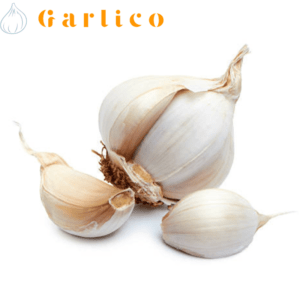
Elephant garlic (Allium ampeloprasum var. ampeloprasum) is a type of garlic that is known for its large cloves and mild, sweet flavor. Despite its name, elephant garlic is not a true garlic, but rather a type of leek. In this guide, we will discuss everything you need to know about growing, harvesting, and using elephant garlic.
What is Elephant Garlic?
Elephant garlic is a type of allium plant that is native to the Mediterranean region. The plant produces large, bulbous stems that are similar in appearance to garlic, but much larger. The bulbs can weigh up to a pound each, and the individual cloves can be as large as a golf ball.
Growing Elephant Garlic
If you want to grow elephant garlic in your garden, there are a few things to keep in mind. Here are some tips for growing elephant garlic successfully:
Choosing a Location: Elephant garlic prefers full sun and well-draining soil. Choose a location in your garden that receives at least 6 hours of direct sunlight each day and has soil that is rich in organic matter.
Planting: Elephant garlic should be planted in the fall, around 4-6 weeks before the first expected frost. The cloves should be planted about 3-4 inches deep and spaced about 6 inches apart. Make sure to plant the cloves with the pointed end facing up.
Watering: Elephant garlic should be watered regularly, especially during dry spells. However, be careful not to overwater, as this can lead to rot.
Fertilizing: Elephant garlic can benefit from a balanced fertilizer, such as a 10-10-10 or 5-10-5 formula. Apply the fertilizer in the spring, about 4-6 weeks after planting.
Harvesting Elephant Garlic
Elephant garlic is typically ready to harvest in the summer, around 9-10 months after planting. Here are some tips for harvesting elephant garlic:
Timing: Elephant garlic is ready to harvest when the leaves start to turn yellow and fall over. This usually happens in mid-summer.
Digging: Use a garden fork to gently lift the bulbs out of the soil. Be careful not to damage the bulbs, as this can lead to spoilage.
Curing: After harvesting, elephant garlic should be cured for 2-3 weeks in a warm, dry location. Hang the bulbs upside down in a well-ventilated area, such as a garage or shed.
Storing: Once the elephant garlic is cured, it can be stored in a cool, dry location. Elephant garlic can be stored for up to 6 months.
Using Elephant Garlic
Elephant garlic can be used in a variety of ways in the kitchen. Here are some ideas for using elephant garlic:
Roasting: Roasting elephant garlic brings out its natural sweetness and creates a soft, buttery texture. Simply drizzle the cloves with olive oil, wrap them in foil, and roast in the oven at 375°F for about 45 minutes.
Sautéing: Elephant garlic can be sautéed with other vegetables or used as a base for sauces and soups. Simply chop the cloves and sauté them in a pan with olive oil or butter.
Mashing: Like traditional garlic, elephant garlic can be mashed and added to mashed potatoes or used as a flavoring for dips and spreads.
Elephant garlic is often used as a substitute for traditional garlic in cooking, as it has a milder flavor and is less pungent. Elephant garlic is also known for its health benefits, as it is high in antioxidants and contains sulfur compounds that are known to have anti-inflammatory properties.
