


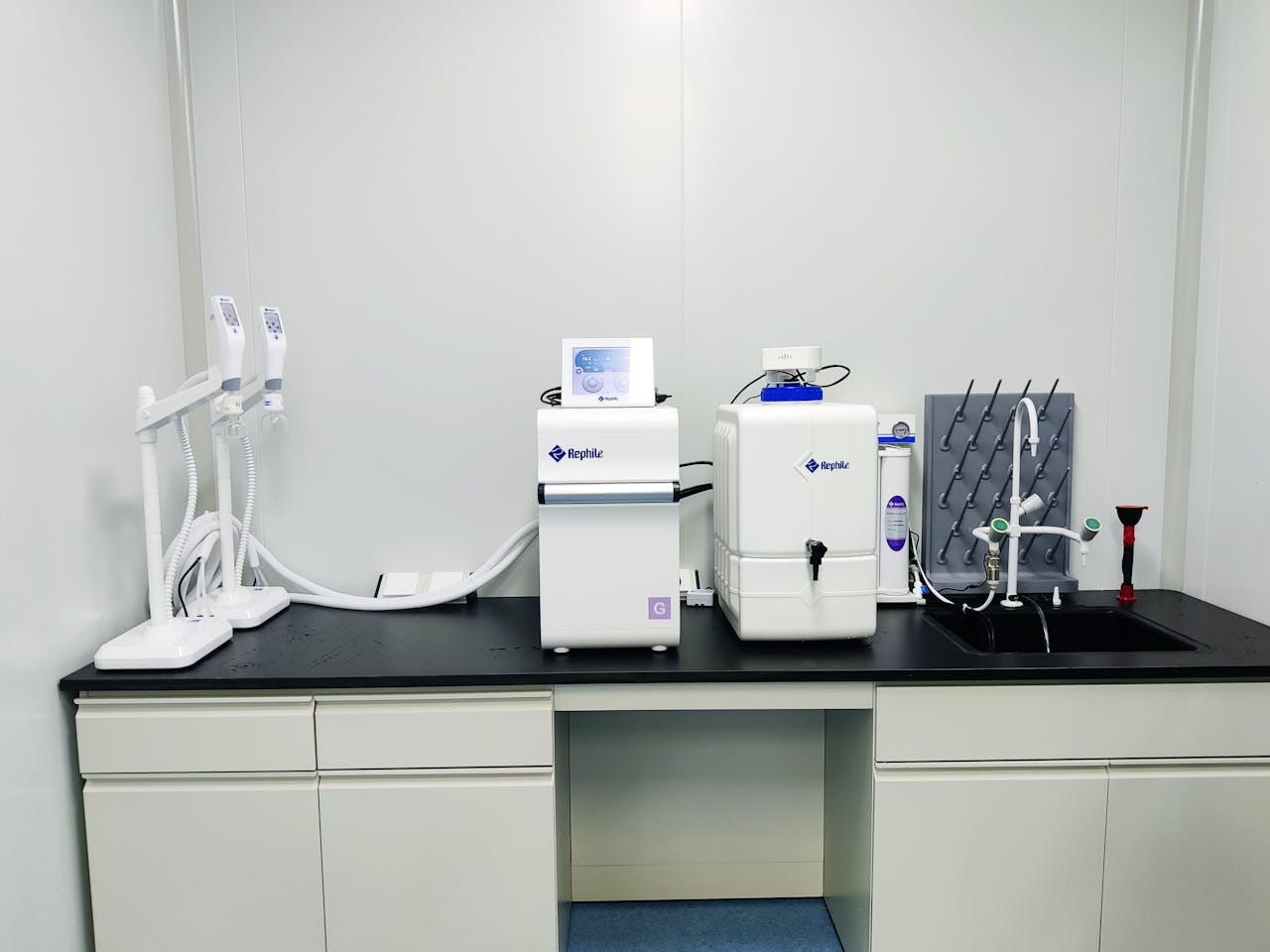
In the realm of home water treatment, the term “hard water” often crops up, causing a myriad of issues from scale buildup in pipes to soap scum on dishes. To combat this, many households turn to a vital appliance known as a water softener system. But how exactly does this marvel of engineering work to transform hard water into its softer counterpart? Let’s delve into the inner workings of these systems to uncover the science behind their magic.
Identifying the Culprit: Hard Water
Before delving into the mechanics of a water softener system, it’s crucial to grasp the problem it aims to solve: hard water. Hard water contains high levels of dissolved minerals, primarily calcium and magnesium ions. These minerals accumulate in water as it passes through underground rock formations, resulting in the characteristic scale buildup and other nuisances that plague households. Hard water not only affects the performance of household appliances but also leaves unsightly residues on surfaces and reduces the effectiveness of soaps and detergents.
The Core Components of a Water Softener System:
At the heart of every water softener system lies a mineral tank filled with resin beads. These beads are the unsung heroes responsible for the transformation of hard water into soft water. Adjacent to the mineral tank is a brine tank, which stores a solution of salt and water known as brine. Connected to these tanks is a control valve, the brain of the system, which regulates the flow of water and salt during the softening process.
The Softening Process Unveiled:
Now, let’s dive into the intricate dance of ions and resin beads that defines the operation of a water softener system. As hard water enters the mineral tank, it encounters the resin beads, which are charged with sodium ions. The high concentration of sodium ions on the resin surface attracts the calcium and magnesium ions present in the hard water, effectively trapping them on the resin beads. In exchange, the sodium ions are released into the water, leading to the softening of the water.
Regeneration:
Rejuvenating the Resin Beads Over time, the resin beads become saturated with calcium and magnesium ions, rendering them less effective in softening the water. To rejuvenate the resin and maintain the efficiency of the water softener system, a process called regeneration is initiated.
During regeneration, the control valve directs a concentrated brine solution from the brine tank into the mineral tank. The brine solution washes over the resin beads, displacing the trapped calcium and magnesium ions and replacing them with sodium ions. The displaced ions, along with the excess brine, are then flushed out of the system, leaving the resin beads refreshed and ready to continue their softening duties.
The Role of Salt in Softening:
Salt plays a pivotal role in the regeneration process of a water softener system. The sodium ions present in the salt solution are essential for replenishing the resin beads and ensuring the continued softening of water.
However, it’s important to note that the use of salt in water softeners may contribute to increased sodium levels in softened water. While this is generally safe for consumption, individuals on sodium-restricted diets may opt for alternative water treatment methods or install additional filtration systems to mitigate sodium intake.
The Benefits of Softened Water:
Investing in a water softener system yields a myriad of benefits beyond the elimination of hard water woes. Softened water not only prolongs the lifespan of household appliances by preventing scale buildup but also results in cleaner dishes, softer laundry, and smoother skin and hair.
Moreover, the reduced reliance on harsh cleaning agents and detergents translates to cost savings and environmental benefits, making water softener systems a sustainable choice for eco-conscious households.
Conclusion:
Embracing the Soft Side of Water In conclusion, understanding the inner workings of a water softener system unveils the science behind its transformative capabilities. By harnessing the power of resin beads and salt, these systems effectively combat the challenges posed by hard water, delivering a plethora of benefits to households worldwide. From improved appliance performance to enhanced personal comfort, the switch to softened water is undoubtedly a step towards a cleaner, more sustainable future. So, why endure the frustrations of hard water when the solution lies within the gentle embrace of a water softener system?
