


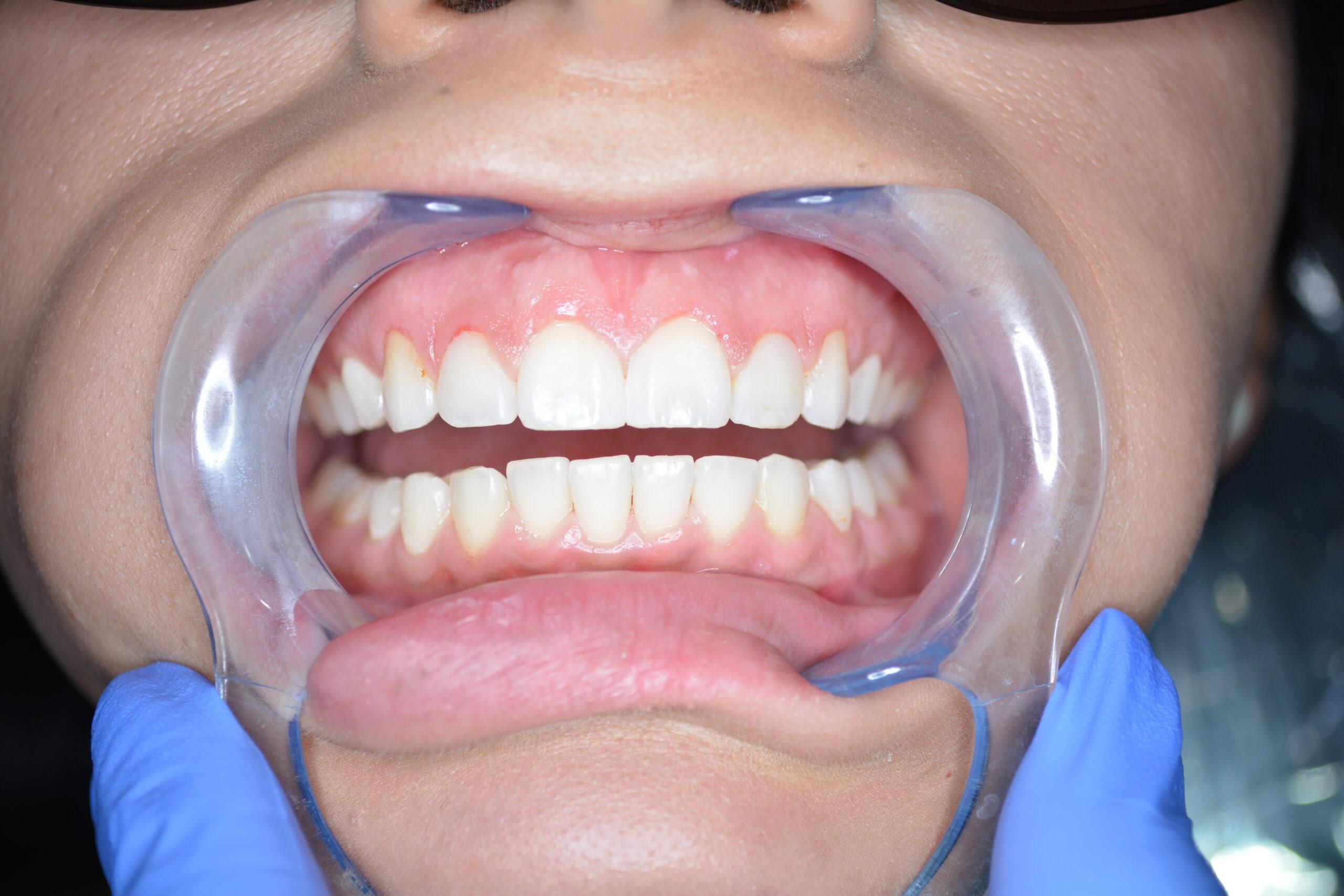
A captivating smile has the power to light up a room, and for many, achieving pearly white teeth is a sought-after goal. In the realm of oral care, teeth whitening stands out as a popular and effective method to enhance the aesthetics of one’s smile. This article explores the intricate process of how teeth whitening works on a molecular level, delving into the science behind this transformative dental procedure. Additionally, we will touch upon the best teeth whitening practices and briefly discuss factors influencing dental implant costs.
Understanding the Basics:
Teeth discoloration occurs due to a variety of reasons, such as consumption of pigmented foods and beverages, tobacco use, aging, and certain medications. Teeth whitening procedures aim to reverse or minimize this discoloration, primarily by targeting the molecules responsible for staining.
Molecular Mechanism of Teeth Whitening:
At the heart of teeth whitening lies a fascinating molecular process. The active ingredients in most whitening products, such as hydrogen peroxide or carbamide peroxide, penetrate the enamel and dentin of the teeth. These compounds then break down into oxygen molecules, which interact with the discolored molecules on a molecular level.
The oxygen molecules disrupt the chemical bonds that hold the stain molecules together, effectively breaking them down into smaller, less pigmented fragments. This oxidation process is a key component in the whitening of teeth, as it reduces the overall concentration of stains, leading to a brighter and whiter appearance.
Best Teeth Whitening Practices:
While professional teeth whitening treatments performed by dentists yield impressive results, there are various at-home options available as well. It’s essential to approach teeth whitening with caution and follow best practices to ensure both safety and effectiveness.
Consultation with a Dentist:
Before embarking on any teeth whitening journey, it is advisable to consult with a dentist. A professional assessment ensures that the chosen method is suitable for your specific oral condition, addressing any underlying issues before commencing the whitening process.
Professional In-Office Treatments:
In-office teeth whitening treatments administered by dental professionals often use higher concentrations of whitening agents, providing quicker and more noticeable results. These procedures are particularly beneficial for those seeking immediate improvements.
At-Home Whitening Kits:
Many over-the-counter whitening kits are available for at-home use. These typically include whitening gels or strips with lower concentrations of peroxide. Consistency is key with at-home treatments, and following the instructions diligently ensures optimal results without compromising oral health.
Maintaining Oral Hygiene:
Teeth whitening should be complemented by a robust oral hygiene routine. Regular brushing, flossing, and professional cleanings help prevent new stains from forming and contribute to the overall health of your teeth and gums.
Dental Implant Cost Considerations:
While teeth whitening focuses on enhancing the appearance of natural teeth, dental implants offer a solution for individuals with missing teeth. The cost of dental implants can vary based on several factors, including the number of implants needed, the type of implant, and the complexity of the procedure.
Number of Implants:
The more implants required, the higher the overall cost. Dental implant cost are typically calculated on a per-implant basis, and individuals seeking multiple implants should consider this factor.
Type of Implant:
Different types of dental implants are available, ranging from traditional implants to more advanced options. The choice of implant can impact the overall cost, with technologically advanced implants often commanding a higher price.
Procedure Complexity:
The complexity of the dental implant procedure also influences costs. Complications, the need for additional treatments such as bone grafts, and the use of sedation can contribute to an increase in overall expenses.
Conclusion:
In conclusion, the quest for a brighter, whiter smile involves a fascinating journey into the molecular realm of teeth whitening. Understanding the science behind the process allows individuals to make informed decisions about the best whitening practices for their specific needs. Additionally, for those exploring dental implants as a solution for missing teeth, considering the factors influencing the cost ensures a comprehensive approach to oral health. Embracing both the science and practical aspects of dental care leads to a radiant and confident smile that lasts a lifetime.
