


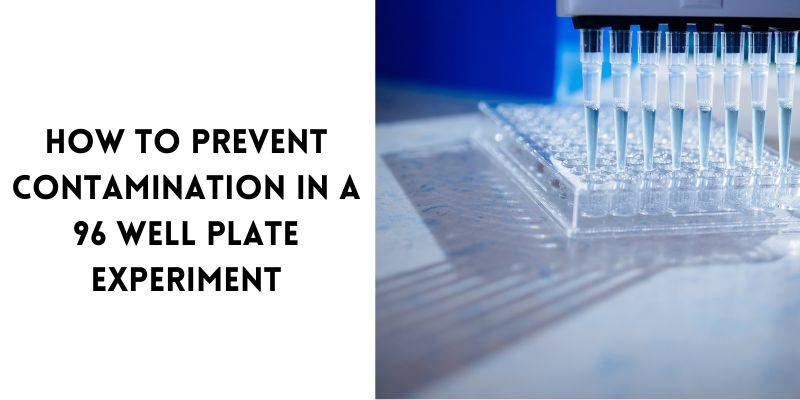
Contamination is a major issue that can undermine the validity of cell culture experiments conducted in a 96 well plate. Researchers must take proactive steps to prevent contamination throughout the experiment. This article will discuss effective strategies to prevent contamination in a 96 well plate experiment.
Start with Sterile Materials and Equipment
The first step to prevent contamination in a 96 well plate experiment is to start with sterile materials and equipment. Sterilization can be achieved through autoclaving or using a chemical disinfectant. All materials that come into contact with the cell culture should be sterile, including pipettes, tips, media, supplements, and growth factors. When working in a laminar flow hood or another sterile environment, it is important to maintain the integrity of the sterile field.
Properly Prepare the 96 Well Plate
The 96 well plate must be prepared correctly to minimize the risk of contamination. Before use, the plate should be washed with a mild detergent and thoroughly rinsed with distilled water. The plate should be sterilized by autoclaving or chemical disinfection, and the lid should remain on until the plate is ready for use. Avoid touching the inside of the wells and the rim of the plate. It should not be used if any damage or cracks are observed in the plate.
Use Proper Cell Culture Techniques
Proper cell culture techniques are necessary to prevent contamination in a 96 well plate experiment. Cells should be seeded at the recommended density and grown in the appropriate medium with supplements and growth factors. Cells should be maintained at the correct temperature, humidity, and CO2 concentration. It is essential to follow the recommended protocols for cell culture and avoid overcrowding the wells. Overcrowding can lead to poor cell growth, increasing the risk of contamination. If you want more information about cell culture techniques, visit here.
Regularly Monitor the Cell Culture
Regular cell culture monitoring is essential to detect and prevent contamination in a 96 well plate experiment. Visual inspection of the wells can reveal signs of contamination, including cloudiness, discoloration, or visible mold growth. If any signs of contamination are detected, isolating and removing the affected wells immediately is important. The removed wells should be labeled and disposed of properly. In addition to visual inspection, microscopy, and other techniques can be used to monitor cell growth and viability over time.
Maintain Good Laboratory Hygiene
Maintaining good laboratory hygiene is critical to prevent contamination in a 96 well plate experiment. Proper hand hygiene and wearing gloves and lab coats are essential. Hands should be washed with soap and water or a disinfectant, before starting the experiment and after handling any contaminated materials. All waste materials and contaminated equipment should be disposed of properly following the appropriate protocols for biohazardous materials. Keeping the work area clean and free of clutter is also essential.
Minimize Airborne Contamination
Airborne contamination is a common source of contamination in cell culture experiments. It is crucial to minimize airborne contamination by working in a clean environment, using HEPA filters, and minimizing movement in the laboratory. When opening the 96 well plates, it is best to work in a laminar flow hood or another sterile environment to minimize exposure to the surrounding environment.
Avoid Cross-Contamination
Cross-contamination can occur when working with multiple cell lines or samples. Using separate materials and equipment for each cell line or sample is important. Labeling all materials and equipment with the appropriate cell line or sample identification is essential to avoid confusion. It is also crucial to use separate pipettes and tips for each sample to prevent cross-contamination.
Conclusion
Preventing contamination in a 96 well plate experiment is essential to obtain accurate and reproducible results. Researchers must take proactive steps to prevent contamination in the laboratory by following proper cell culture techniques, maintaining good laboratory hygiene, minimizing airborne contamination, and avoiding cross-contamination. Starting with sterile materials and equipment, properly preparing the 96 well plates, and regularly monitoring the cell culture can also minimize the risk of contamination. By implementing these strategies, researchers can prevent contamination and obtain reliable data from their 96-well plate experiments. It is crucial to prioritize preventing contamination from maintaining cell culture experiments’ integrity and validity.
