


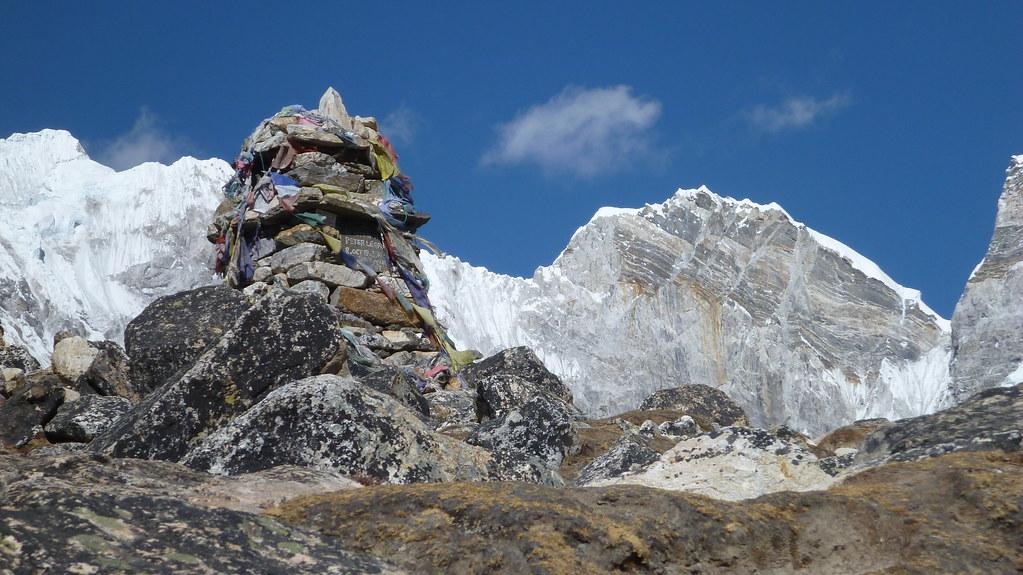
Nestled in the heart of the Himalayas, this trek offers breathtaking landscapes, rich cultural experiences, and a profound sense of accomplishment. While it’s popular among avid trekkers and adventure seekers, a common question arises: Is Everest Base Camp Trekking accessible for senior people? In this article, we will explore the possibilities and considerations for seniors who dream of conquering the Everest Base Camp trek.
The Challenge of Altitude:
One of the primary challenges for seniors contemplating the Everest Base Camp trek is the high altitude. The trek takes you to altitudes of up to 5,364 meters (17,598 feet) at Kala Patthar. Altitude sickness can affect people of all ages, but seniors may be more susceptible due to potential health issues. Therefore, a comprehensive medical check-up before embarking on this journey is crucial. Consultation with a physician who is experienced in high-altitude travel is advisable to assess your fitness and ability to acclimatize to the thin air.
Physical Fitness and Preparation:
Physical fitness is a key factor in determining whether senior individuals can undertake the Everest Base Camp trek. It’s essential to be realistic about your physical condition and your ability to endure challenging terrain and weather conditions. Seniors who have maintained an active lifestyle and are in good shape might find the trek more manageable. However, regular exercise and strength training are recommended in the months leading up to the trek.
Age-Related Considerations:
Age-related factors play a significant role in determining the feasibility of trekking to Everest Base Camp. Seniors need to be aware of potential issues such as arthritis, joint problems, or cardiovascular conditions, which can be exacerbated by the physical demands of the trek. It’s crucial to have an open conversation with your healthcare provider about these concerns and take the necessary precautions.
Choosing the Right Route:
While the classic Everest Base Camp trek is challenging, there are alternative routes and itineraries available that are more suitable for seniors. These routes may be less strenuous and provide more gradual acclimatization. For instance, the Gokyo Lakes trek offers stunning Himalayan scenery and may be a more suitable option for older trekkers. It’s important to research the various routes and select one that aligns with your physical capabilities and expectations.
Experienced Guides and Porters:
Hiring experienced guides and porters can significantly enhance the accessibility of the Everest Base Camp trek for seniors. Local guides are familiar with the terrain, know how to manage altitude-related issues, and can offer valuable advice throughout the journey. Porters can help carry your gear, reducing the physical burden on older trekkers. This support can make a substantial difference in the overall experience and safety of the trek.
Proper Gear and Equipment:
Having the right gear and equipment is crucial for a successful Everest Base Camp trek. Seniors should invest in high-quality clothing and equipment to stay warm, dry, and comfortable in the challenging Himalayan conditions. Proper footwear, insulated clothing, and walking poles can be particularly beneficial for older trekkers.
Training and Preparation:
Preparing for the Everest Base Camp trek is not just about physical fitness; it also involves mental preparation. The trek can be mentally challenging due to its duration and the uncertain weather conditions. Seniors should cultivate a positive mindset, remain patient, and be prepared for unexpected delays or challenges that may arise during the journey.
Slow and Steady Approach:
One of the most crucial pieces of advice for seniors attempting the Everest Base Camp trek is to take a slow and steady approach. The trek is not a race, and rushing can lead to altitude sickness or physical exhaustion. Enjoy the journey, take frequent breaks, and listen to your body. It’s essential to pace yourself and be aware of your limits.
Accommodation and Amenities:
Accommodation options along the Everest Base Camp trek have improved in recent years. While teahouses and lodges may not offer luxurious amenities, they do provide a comfortable place to rest and recharge. Seniors should research and choose accommodations that meet their comfort and safety requirements. It’s also important to communicate any special dietary needs or preferences to the lodging providers.
The Rewards of the Trek:
Reaching Everest Base Camp is a remarkable achievement at any age, but for seniors, it can be even more rewarding. The sense of accomplishment, the stunning views of Everest, and the interactions with local Sherpa communities are experiences that stay with you for a lifetime. It’s a journey that embodies the spirit of adventure and the triumph of the human spirit over challenges.
Conclusion:
Is Everest Base Camp Trekking accessible for senior people? The answer is a resounding yes, with the right preparation, support, and a realistic assessment of one’s physical capabilities. Seniors who are in good health, have a positive attitude, and are willing to adapt their approach to the challenges of the trek can certainly embark on this adventure. Everest trekking for senior people is an opportunity to test their limits, create lasting memories, and experience the world’s highest mountains in a way that few ever do. It’s a journey that can inspire and invigorate the spirit, regardless of age. So, if you’re a senior with a sense of adventure, don’t let age deter you from the Everest Base Camp trek – the journey of a lifetime awaits you. Article Source: https://lifehimalayatrekking.com/everest-base-camp-trek-for-beginners.html
