



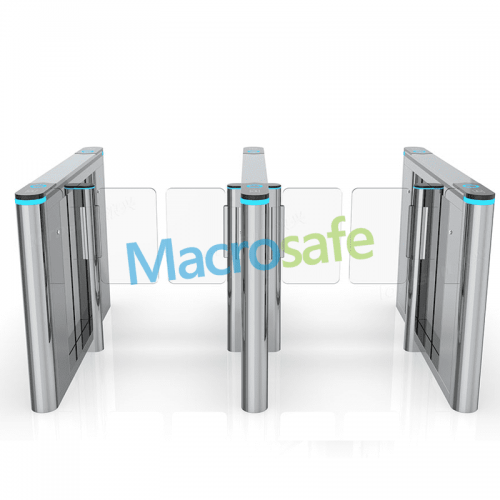
Implementing speed gates as part of an access control system can bring numerous benefits, including enhanced security, improved efficiency, and streamlined visitor management. However, like any complex project, the implementation of speed gates can present certain challenges. This article explores the common challenges faced during the implementation of speed gates and shares best practices and lessons learned to overcome these hurdles effectively.
- Planning and Design Considerations:
One of the critical challenges in implementing speed gates lies in proper planning and design. It is essential to conduct a thorough assessment of the facility’s requirements, traffic patterns, and user needs. By taking these factors into account during the planning stage, the optimal number and placement of speed gates can be determined, ensuring efficient traffic flow and minimizing congestion. Engaging with professionals and experts in access control systems can provide valuable insights and help avoid common pitfalls.
- Integration with Existing Infrastructure:
Integration of speed gates with existing infrastructure, such as access control systems, CCTV cameras, or visitor management software, can present compatibility challenges. It is crucial to select speed gate solutions that offer seamless integration capabilities or work with experienced system integrators who can navigate the complexities. Conducting thorough compatibility tests before deployment helps identify and resolve any integration issues and ensures the smooth operation of the entire access control system.
- User Acceptance and Education:
Introducing new speed gate systems to users may face resistance or pushback, especially if there is a steep learning curve or unfamiliarity with the technology. Engaging in effective change management practices and conducting user acceptance testing can help address this challenge. User education and training sessions should be conducted to familiarize individuals with the speed gate operations, emphasizing the benefits and providing clear instructions. Open communication channels and addressing user concerns proactively can facilitate smoother adoption.
- Compliance and Regulatory Considerations:
Implementing speed gates also entails compliance with various regulations, such as accessibility standards and data protection laws. Understanding the relevant regulations and ensuring that speed gate installations adhere to these guidelines are crucial steps. Engaging with legal and compliance experts during the planning stage can help navigate these compliance challenges effectively and prevent any potential legal issues down the line.
- Maintenance and Support:
Maintaining and supporting speed gates require dedicated resources and expertise. It is important to establish maintenance contracts or service level agreements with qualified vendors or manufacturers. Regular maintenance schedules, including cleaning, lubrication, and firmware updates, should be followed. Prompt support and troubleshooting assistance are crucial in minimizing downtime and addressing technical issues promptly. Having a well-defined escalation process can ensure timely resolutions and minimize disruptions to the facility’s operations.
- Scalability and Future-proofing:
Another common challenge in implementing speed gates is considering future scalability. Facilities may undergo expansion or experience changes in traffic patterns over time. It is essential to select speed gate solutions that are scalable, allowing for easy integration of additional lanes or systems as needed. Additionally, future-proofing the speed gate technology by selecting solutions that can accommodate emerging technologies or industry standards can help ensure a more sustainable and long-term investment.
- Continuous Evaluation and Improvement:
Lastly, it is important to continuously evaluate the performance of the speed gate and identify areas for improvement. Conducting regular audits, gathering user feedback, and monitoring key metrics, such as throughput and user satisfaction, can provide insights into the system’s effectiveness. Implementing a culture of continuous improvement allows for ongoing enhancements, optimization, and staying ahead of evolving security and operational requirements.
Conclusion:
Implementing speed gate as part of an access control system comes with its share of challenges, but by following best practices and learning from past experiences, organizations can overcome these hurdles effectively. Through proper planning, seamless integration, user education, and adhering to regulatory compliance, facilities can ensure a successful implementation. Ongoing maintenance, scalability considerations, and continuous evaluation allow for sustained performance and improvement over time. By addressing these challenges, organizations can maximize the benefits of speed gates, achieving enhanced security, improved operational efficiency, and a seamless access control experience for all users.
