


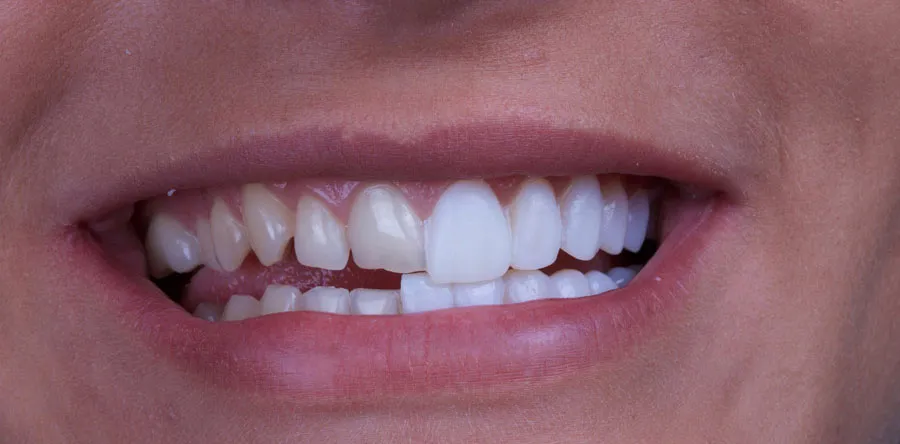
Pros and cons of dental veneers dental veneers have become increasingly popular in recent years as a cosmetic dental solution for individuals looking to enhance their smiles. Veneers are thin shells made of porcelain or composite resin that are custom-designed to fit over the front surface of the teeth, providing an improved appearance. While dental veneers offer many benefits, it’s important to consider the potential drawbacks as well. In this article, we will explore the pros and cons of dental veneers to help you Health Guest Post make an informed decision.
Pros of Dental Veneers:
Enhanced Aesthetics: One of the major advantages of dental veneers is their ability to transform the appearance of teeth. Veneers can improve the color, shape, size, and alignment of teeth, helping to create a more symmetrical and attractive smile.
Stain Resistance: Porcelain veneers are highly resistant to stains, making them an ideal choice for individuals with discolored teeth. This means that you can enjoy a bright, white smile for years to come without worrying about stains from coffee, tea, or other pigmented foods and drinks.
Durability: With proper care and maintenance, dental veneers can last for 10-15 years or even longer. They are known for their strength and resilience, allowing individuals to enjoy the benefits of a beautiful smile for an extended period.
Minimal Tooth Alteration: Unlike dental crowns, veneers require minimal removal of the natural tooth structure. The dentist usually removes a thin layer of enamel, making the procedure less invasive and preserving more of the tooth’s integrity.
Fast Results: Getting dental veneers typically involves a few visits to the dentist. The initial consultation, preparation, and placement of the veneers can be completed within a relatively short period, allowing patients to achieve their desired smile makeover quickly.
Cons of Dental Veneers:
Irreversible Procedure: Once the natural tooth enamel is removed, it cannot be restored. This means that individuals who opt for veneers must commit to them long-term, as the teeth will always require some form of restoration to maintain their appearance.
Sensitivity: Some individuals may experience temporary tooth sensitivity after getting veneers, especially if a significant amount of enamel is removed. However, this sensitivity usually subsides within a few days or weeks.
Cost: Dental veneers can be quite expensive, and they are usually considered a cosmetic procedure not covered by dental insurance. The cost varies depending on factors such as the material used, the number of teeth being treated, and the location of the dental practice.
Potential Damage: While veneers are durable, they are not indestructible. Chewing on hard objects, such as ice or pen caps, or engaging in teeth-grinding habits can damage or chip veneers. It is important to practice good oral habits and avoid behaviors that could harm the veneers.
Replacement: Veneers have a lifespan, and eventually, they may need to be replaced. This can be an additional cost and requires the removal and replacement of the existing veneers.
Conclusion
In conclusion, dental veneers offer numerous benefits, such as improved aesthetics, stain resistance, durability, and minimal tooth alteration. However, it is important to consider the potential drawbacks, including the irreversible nature of the procedure, temporary tooth sensitivity, the cost, the potential for damage, and the need for eventual replacement. It is crucial to consult with a qualified dentist to determine if dental veneers are the right choice for you, considering your specific dental condition, budget, and desired outcome.
