


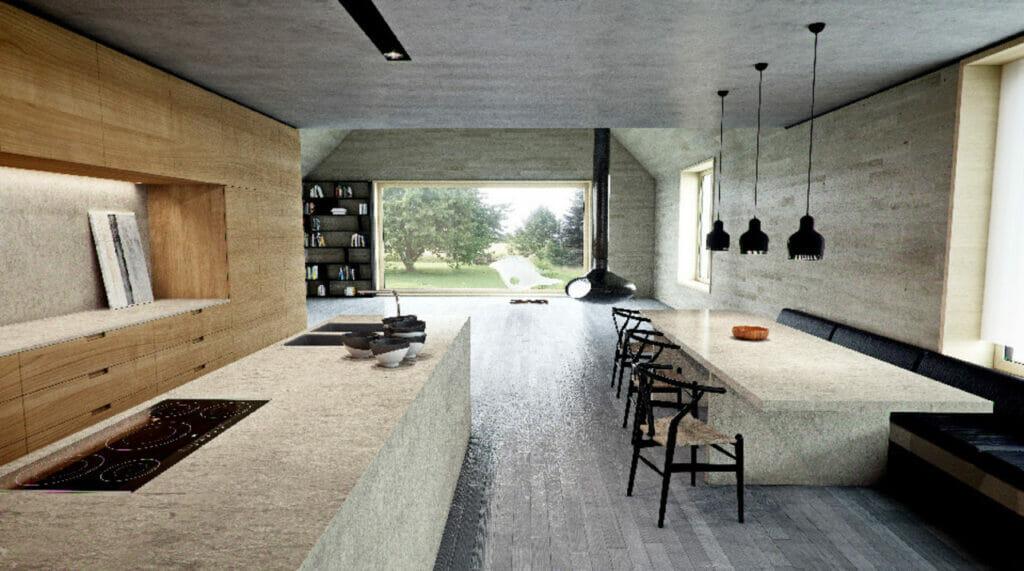
What are Quartz Countertop Slabs?
Quartz countertop slabs are engineered stone surfaces made from a combination of natural quartz crystals and resin. The manufacturing process creates a non-porous and highly durable surface that is resistant to scratches, stains, and heat. Quartz slabs come in various colors, patterns, and textures, mimicking the look of natural stones like granite and marble. This versatility allows homeowners to find the perfect match for their kitchen or bathroom design.
Advantages of Quartz Countertop Slabs
1. Durability and Strength
Quartz slabs are incredibly strong and durable, making them an ideal choice for high-traffic areas like the kitchen. They can withstand the daily wear and tear of cooking, chopping, and cleaning without showing signs of damage. Moreover, their non-porous surface makes them resistant to bacteria and mold growth, ensuring a hygienic environment for food preparation.
2. Variety of Colors and Patterns
With quartz countertop slabs, you have an extensive range of colors and patterns to choose from. Whether you prefer a classic white surface or a bold black countertop, there’s a quartz slab to match your style and complement your kitchen decor.
3. Low Maintenance
Unlike natural stones that require regular sealing, quartz slabs are virtually maintenance-free. They only need a simple daily cleaning with mild soap and water to keep them looking as good as new.
Installing Quartz Countertop Slabs
Proper installation is crucial to maximize the benefits of quartz countertop slabs. It is recommended to hire a professional installer who is experienced in handling and fitting quartz slabs. The process involves precise measuring and cutting of the slabs to ensure a perfect fit. Additionally, the installer will seal and finish the edges to prevent any water seepage.
Quartz Countertop Slabs vs. Other Materials
1. Quartz vs. Granite
Both quartz and granite offer durability and beauty, but quartz has the edge in terms of low maintenance and consistency in patterns and colors.
2. Quartz vs. Marble
While marble is a classic choice, it is more susceptible to stains and scratches compared to quartz. Quartz provides a similar luxurious look without the high maintenance.
3. Quartz vs. Solid Surface
Solid surface materials are less expensive but may not offer the same level of durability and heat resistance as quartz.
How to Clean and Maintain Quartz Countertop Slabs
Daily Cleaning Tips
For daily cleaning, use a soft cloth or sponge with mild dish soap and warm water. Avoid harsh chemicals or abrasive pads that may damage the surface.
Dealing with Stains and Spills
In case of spills, clean them immediately to prevent any potential staining. For tough stains, use a gentle cleaner specifically designed for quartz surfaces.
Long-term Maintenance
To maintain the shine and luster of your quartz countertop, periodically apply a quartz cleaner and polish using a soft cloth.
Enhancing Your Kitchen with Quartz Countertop Slabs
Creating a Modern Look
Quartz slabs with sleek designs and neutral colors can give your kitchen a contemporary and modern appeal.
Pairing with Different Cabinet Styles
Quartz countertops complement various cabinet styles, from traditional to minimalist, making them a versatile choice for any kitchen design.
Adding a Touch of Luxury
For an elegant and luxurious kitchen, opt for quartz slabs with intricate patterns and veining that resemble natural marble.
Cost and Investment Considerations
Upfront Cost
While the initial cost of quartz countertop slabs may be higher than other materials, their durability and low maintenance make them a cost-effective long-term investment.
Long-term Value
Quartz countertops can increase the value of your home, making them a valuable addition to your property.
Quartz Countertop Slabs for Bathroom Vanities
Stylish and Practical Solution
Quartz slabs in the bathroom offer a stylish and practical solution for your vanity space.
Suitable Colors and Textures
Choose from a wide range of quartz slabs to match your bathroom’s color scheme and decor.
Combining with Other Materials
Quartz slabs can be combined with other materials like glass and wood to create a unique and personalized bathroom vanity.
Environmental Impact of Quartz Countertop Slabs
Sustainable Manufacturing Practices
Many quartz manufacturers are adopting sustainable practices to reduce their environmental impact.
Eco-friendly Options
Some companies offer eco-friendly quartz slabs that incorporate recycled materials, making them an environmentally responsible choice.
Conclusion
Quartz countertop slabs offer a perfect blend of elegance, durability, and low maintenance, making them an ideal choice for modern kitchens and bathrooms. Their versatility in colors and patterns allows homeowners to customize their living spaces according to their preferences. With proper installation and maintenance, quartz slabs can elevate the overall aesthetics of your home.
FAQs
1. Are quartz countertop slabs stain-resistant?
Yes, quartz countertop slabs are non-porous and stain-resistant, making them ideal for use in kitchens and bathrooms.
2. Can I install countertop slabs myself?
While it is possible to install quartz slabs on your own, it is recommended to hire a professional to ensure a flawless and secure installation.
3. How do I choose the right color for my kitchen?
Consider the existing color scheme and decor of your kitchen. Look for quartz slabs that complement the overall design and add a touch of elegance.
4. Are quartz slabs safe for food preparation?
Yes, quartz slabs are safe for food preparation. Their non-porous surface prevents bacteria growth, making them hygienic for meal preparation.
5. Can I use quartz slabs for outdoor countertops?
It is not recommended to use quartz slabs for outdoor countertops as prolonged exposure to sunlight and weather elements may cause discoloration and damage.
