


- Introduction
As technology continues to advance, the way we communicate with machines is evolving rapidly.
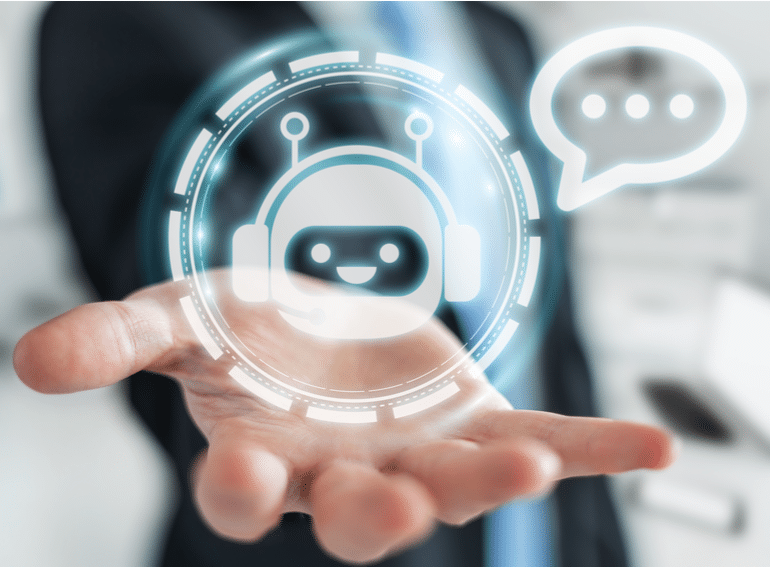
Chatbots and artificial intelligence (AI) are at the forefront of this evolution, and they’re changing the way we interact with businesses, organizations, and even each other.
In this article, we’ll explore the future of chatbots and artificial intelligence, including their evolution, potential, challenges, and impact on various industries.
II. The Evolution of Chatbots and AI
Chatbots have been around for a while, but their future is bright. They’re software programs that use natural language processing to simulate human conversation. They’re designed to respond to user input, whether it’s text, voice, or a combination of both.
The future of chatbots looks promising because they’re becoming more advanced, more intuitive, and more efficient. They’re also becoming more prevalent in industries such as customer service, marketing, and healthcare.
III. The Future of Chatbots and Artificial Intelligence
Artificial intelligence will be a driving force behind the future of chatbots. As AI technology advances, chatbots will become smarter and more capable of handling a wide range of tasks. AI will enable chatbots to learn from customer interactions and use that data to personalize their responses.
AI-powered chatbots will also have the ability to make decisions independently and provide relevant information in real time. The future of chatbots is integrally connected to the future of Artificial Intelligence, and businesses that want to stay ahead of the competition will need to pay attention to both.
The potential for chatbots and artificial intelligence is vast. They have the potential to revolutionize the way we interact with technology, and they can help businesses streamline processes and improve customer experiences.
Chatbots can handle routine tasks such as answering frequently asked questions or scheduling appointments, freeing up human agents to handle more complex issues. AI can help businesses analyze large amounts of data, identify patterns, and make data-driven decisions.
However, there are challenges that need to be addressed for chatbots and AI to reach their full potential. One of the most significant challenges is ensuring that they’re designed ethically and with user privacy in mind. There’s also a need to improve the accuracy of natural language processing, which is critical for chatbots and AI to understand and respond to user input accurately.
IV: The Impact of Chatbots and AI
The impact of chatbots and AI is already being felt in various industries. In customer service, chatbots can help businesses provide 24/7 support and reduce response times. In marketing, chatbots can help businesses generate leads, engage customers, and drive sales. In healthcare, chatbots and AI can help diagnose diseases, monitor patient health, and even perform surgery.
The benefits of using chatbots and AI for businesses are numerous. They can help businesses reduce costs, improve efficiency, and enhance customer experiences. They can also provide valuable insights into customer behaviour, which can help businesses make data-driven decisions.
V: How Do Chatbots Work?
How do chatbots work? Chatbots work by using natural language processing (NLP) to analyze user input and provide appropriate responses. When a user talks to a chatbot, NLP algorithms break down the sentence and try to identify the intent behind the user’s words. The chatbot then uses rules-based algorithms or machine learning models to generate a response.
The bot’s responses become more accurate over time as it learns from its interactions with users. This process is made possible using artificial intelligence and machine learning principles, which are at the core of modern chatbot technology.
Conclusion
Chatbots and artificial intelligence are changing the face of business, and they are poised to revolutionize the way we interact with technology. The impact of chatbots on businesses is clear- they can improve efficiency, reduce operational costs, and provide personalized service to customers.
As for the future of chatbots and artificial intelligence, there is no doubt that we are in for an exciting ride. From personalized and real-time responses to complex conversations, chatbots will become an integral part of the business landscape.
The challenge for businesses is to embrace this technology and harness its full potential to stay ahead of the curve. With the right strategy, businesses can create chatbots that will provide a seamless and personalized experience for their customers- a win-win situation for all involved.
