


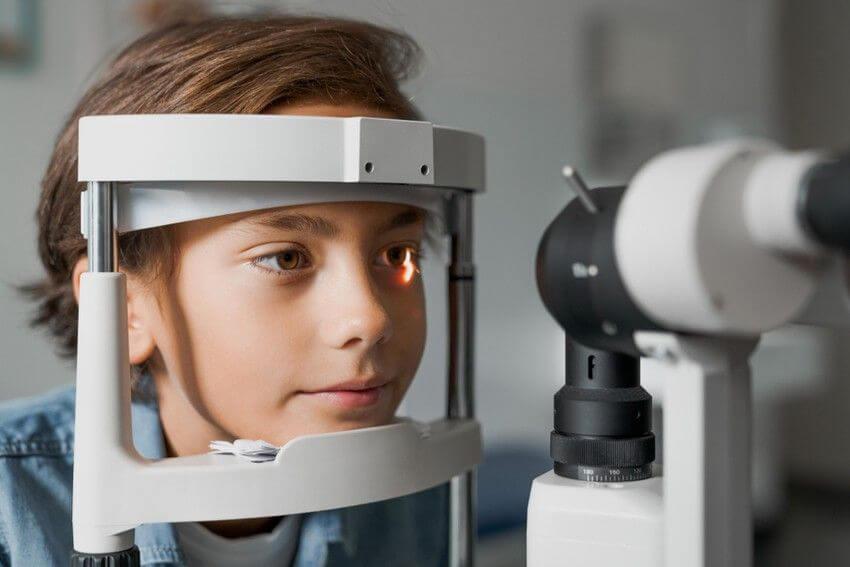
The health and well-being of our children are among our top priorities as parents and caregivers. We strive to provide them with the best nutrition, education, and healthcare possible. However, one aspect of their health that sometimes goes overlooked is their vision. Children’s eye health is crucial for their overall development and learning, and opticians play a pivotal role in preserving it.
Understanding the Importance of Children’s Eye Health
The significance of children’s eye health cannot be overstated. Visual development is a fundamental aspect of early childhood, as it affects a child’s ability to learn and interact with the world around them. According to the American Optometric Association, 80% of learning is visual. If a child experiences vision problems that go unaddressed, it can hinder their academic progress, social development, and overall quality of life.
Common vision problems in children include nearsightedness (myopia), farsightedness (hyperopia), astigmatism, and amblyopia (lazy eye). Detecting and treating these issues early is essential to ensure that a child’s visual system develops correctly.
The Role of Opticians
Opticians in London are highly trained professionals who specialize in fitting, dispensing, and verifying eyeglass and contact lens prescriptions. They are essential in preserving children’s eye health for several reasons:
- Vision Screening: Opticians can conduct vision screenings to identify potential vision problems in children. These screenings are crucial in catching issues early, allowing for prompt intervention.
- Prescription Eyewear: If a child is diagnosed with a vision problem, opticians can help determine the right prescription for eyeglasses or contact lenses. Properly fitted eyewear is essential for correcting vision and preventing further deterioration.
- Frame Selection: Opticians can guide parents and children in selecting appropriate eyeglass frames. For children, it’s not just about functionality but also about finding a style that makes them feel confident and comfortable wearing their glasses.
- Adjustments and Repairs: Children can be rough on their eyeglasses, and frames may need adjustments or repairs from time to time. Opticians can ensure that eyewear fits properly and is in good condition, which is crucial for maintaining the effectiveness of the prescription.
- Educating Parents: Opticians can educate parents about the importance of regular eye exams for their children. Many parents may not be aware of the signs of vision problems or the need for routine eye care.
- Monitoring Eye Health: While opticians primarily deal with eyeglasses and contact lenses, they can also play a role in monitoring a child’s eye health over time. They can alert parents and optometrists to any changes or concerns they observe during eyewear fittings or adjustments.
Collaboration with Optometrists and Ophthalmologists
Opticians work closely with optometrists and ophthalmologists to provide comprehensive eye care for children. Optometrists are primary eye care providers who can diagnose and treat a wide range of eye conditions, including vision problems in children. Ophthalmologists are medical doctors who specialize in eye diseases and surgery.
When a child is identified with a vision problem, optometrists or ophthalmologists will provide the diagnosis and treatment plan. Opticians then step in to help implement that plan by providing the necessary eyewear and ensuring that it fits properly.
The Importance of Early Intervention
Early intervention is crucial in preserving children’s eye health. Many vision problems are more easily treatable in childhood than in adulthood. Amblyopia, for example, is best treated when detected early, typically before the age of seven. If left untreated, some conditions can lead to permanent vision impairment.
Regular eye exams for children are essential because they can detect issues that children may not be able to express or even realize they have. Children often adapt to vision problems, assuming that what they see is normal. Without routine check-ups, these issues may go unnoticed until they start affecting academic performance or other aspects of their lives.
Conclusion
Opticians play a vital role in preserving children’s eye health by providing vision screenings, fitting eyeglasses and contact lenses, and ensuring that children receive proper eye care. Collaborating with optometrists and ophthalmologists, they help identify and address vision problems early, preventing potential long-term consequences.
As parents and caregivers, it’s our responsibility to prioritize our children’s eye health. Regular eye exams and consultations with optometrists and opticians should be an integral part of a child’s healthcare routine. By doing so, we can help our children see the world clearly and reach their full potential in every aspect of life.
