



In recent years, the world has witnessed the devastating impact of airborne viruses on global health. Diseases like influenza, COVID-19, and other respiratory infections have spread rapidly, causing significant illness and loss of life. The prevention and control of airborne virus transmission have become paramount, and face masks have emerged as a critical tool in this endeavor. This article aims to explore the role of reusable face masks in preventing the spread of airborne viruses, shedding light on their effectiveness, advantages, and best practices for their use.
Understanding airborne viruses:
Airborne viruses are microorganisms that can travel through the air, suspended in droplets or particles. They can infect individuals when inhaled or come into contact with mucous membranes. Common diseases caused by airborne viruses include influenza, measles, tuberculosis, and the more recent COVID-19.
The effectiveness of face masks:
Face masks act as a barrier, reducing the transmission of airborne viruses from infected individuals to others. Various types of face masks are available, including surgical masks, N95 respirators, and reusable cloth masks. While each type differs in design and filtration capacity, they all contribute to reducing the spread of airborne viruses.
Reusable face masks:
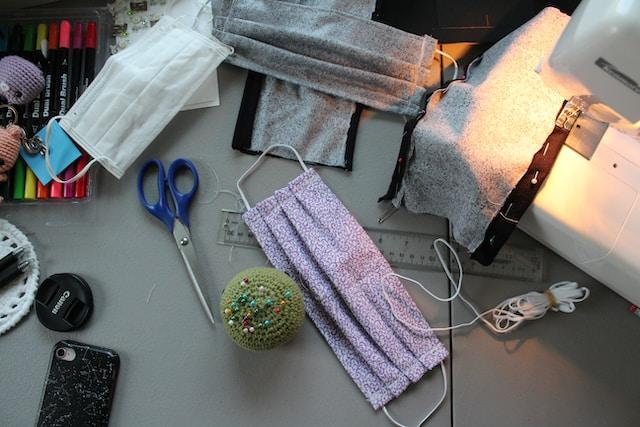
washable face mask have gained popularity due to their eco-friendliness and cost-effectiveness. These masks are typically made of washable materials, such as cotton or polyester blends, and can be worn multiple times with proper care. They offer an environmentally conscious alternative to single-use masks and are available in various designs to suit individual preferences.
How reusable face masks prevent the spread of airborne viruses:
Reusable face masks play a vital role in preventing the spread of airborne viruses through multiple mechanisms. Firstly, they effectively filter out airborne particles, including virus-laden droplets, reducing the risk of inhalation. Additionally, they contain respiratory droplets expelled by the wearer, minimizing the release of infectious material into the environment. By reducing the viral load in the surrounding air, reusable face masks contribute to breaking the chain of transmission.
Best practices for using reusable face masks:
To maximize the effectiveness of reusable face masks, proper usage is essential. It is crucial to ensure a snug fit, covering both the nose and mouth, to prevent the ingress or egress of viral particles. Regular hand hygiene, including washing hands before wearing or removing the mask, is necessary to minimize contamination. It is also recommended to replace the mask when it becomes damp or soiled and to inspect it regularly for any signs of wear or damage.
Addressing concerns about reusable face masks:
Some individuals may have concerns regarding the use of reusable face masks. However, advancements in mask technology have addressed many of these concerns. Modern reusable face masks are designed to be comfortable and breathable while providing adequate filtration. They also offer a sustainable solution compared to the environmental impact of disposable masks. Increased public awareness and education can contribute to the wider acceptance and compliance with face mask usage.
Conclusion:
Reusable face masks play a crucial role in preventing the spread of airborne viruses. Their effectiveness in filtering airborne particles and containing respiratory droplets significantly reduces the risk of transmission. By adopting best practices for their use, individuals can contribute to the collective effort in curbing the spread of airborne viruses. Reusable face masks offer a sustainable and practical solution, ensuring both personal and public health. Let’s embrace their usage and protect ourselves and others.
FAQs:
How often should I clean my reusable face mask?
Reusable face masks should be cleaned after each use. Regular washing with soap and hot water or following the manufacturer’s instructions for cleaning is crucial to maintain their effectiveness.
Can reusable face masks protect against new variants of airborne viruses? Reusable face masks, especially those with multiple layers and high filtration efficiency, can offer protection against new variants of airborne viruses. However, it is important to stay updated on public health guidelines and recommendations regarding specific variants.
Can reusable face masks be customized for individual preferences?
Yes, reusable face masks come in various designs, colors, and styles, allowing individuals to express their personal preferences while ensuring protection against airborne viruses.
For More Article Learn:hbusnews.com
