


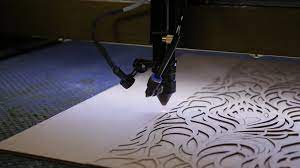
Laser engravers have become increasingly popular tools for a wide range of applications, from hobbyists crafting personalized gifts to businesses creating custom signage and prototypes. However, with the variety of options available on the market, choosing the right laser engraver can be overwhelming. In this comprehensive guide, we’ll walk you through the key factors to consider to ensure you select the perfect laser engraver for your needs.
Understanding Laser Engraving Technology:
Before diving into the specifics of choosing a laser engraver, it’s essential to understand the basics of laser engraving technology. Laser engravers utilize a high-powered laser beam to etch designs, text, or images onto a variety of materials, including wood, acrylic, glass, leather, and metal. The laser beam is controlled by a computerized system, allowing for precise and intricate engraving with minimal effort.
Determining Your Engraving Needs:
The first step in choosing the right laser engraver is to determine your specific engraving needs. Consider the type of materials you plan to engrave, the size and complexity of your projects, and any additional features or capabilities you may require. Whether you’re looking to engrave small jewelry pieces or large signs and plaques, understanding your engraving needs will help narrow down your options.
Choosing the Right Laser Power:
Laser engravers come in a range of power levels, typically measured in watts. Higher-wattage lasers are capable of engraving and cutting through thicker materials more quickly and efficiently. However, they also tend to be more expensive and may require additional safety precautions. For most hobbyists and small businesses, a laser engraver in the range of 30 to 60 watts is sufficient for a wide range of projects.
Considering Bed Size and Workspace:
Another important consideration when choosing a laser engraver is the size of the engraving bed and workspace. The bed size determines the maximum dimensions of the materials you can engrave, while the workspace size dictates the overall footprint of the machine. Be sure to choose a laser engraver with a bed size and workspace that accommodates your largest anticipated projects while still fitting comfortably in your workspace.
Assessing Software Compatibility:
The software used to control and design projects for your laser engraver is an essential aspect to consider. Most laser engravers come with proprietary software that allows you to create and edit designs, as well as control the engraving process. However, some models may be compatible with third-party design software, offering greater flexibility and customization options. Ensure that the laser engraver you choose is compatible with the software you prefer to use.
Examining Engraving Speed and Accuracy:
When evaluating laser engravers, consider the engraving speed and accuracy of each model. Engraving speed refers to how quickly the laser can etch designs onto a material, while accuracy refers to the precision and detail of the engraving. Look for a laser engraver that offers a balance of speed and accuracy, allowing you to complete projects efficiently without sacrificing quality.
Assuring Safety Features:
Safety should always be a top priority when operating a laser engraver. Look for models that include built-in safety features such as emergency stop buttons, protective enclosures, and safety interlocks. Additionally, consider purchasing safety accessories such as laser safety glasses to protect your eyes from potentially harmful laser radiation.
Understanding Maintenance Requirements:
Like any piece of machinery, laser engravers require regular maintenance to ensure optimal performance and longevity. Before making a purchase, familiarize yourself with the maintenance requirements of each model, including cleaning, calibration, and replacing consumable parts such as lenses and mirrors. Choose a laser engraver with maintenance procedures that align with your skill level and available time for upkeep.
Evaluating Customer Support and Warranty:
Finally, consider the level of customer support and warranty offered by the manufacturer of each laser engraver. Look for companies that provide comprehensive customer support, including technical assistance, troubleshooting guides, and online forums or communities for users to connect and share advice. Additionally, choose a laser engraver with a warranty that covers defects in materials and workmanship, providing peace of mind and protection for your investment.
Final Thoughts:
In conclusion, choosing the right laser engraver requires careful consideration of your specific engraving needs, as well as the features, capabilities, and support offered by each model. By understanding the basics of laser engraving technology and evaluating key factors such as laser power, bed size, software compatibility, and safety features, you can confidently select the perfect laser engraver to bring your creative visions to life.
