


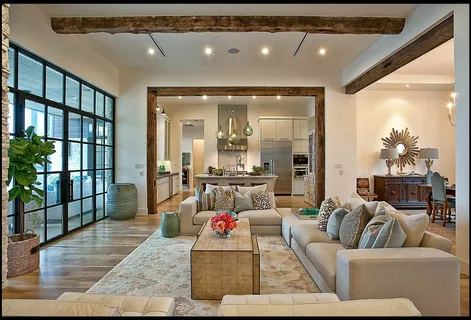
Minimalist interior design is not just about having less stuff; it’s a deliberate approach to creating serene and functional spaces that prioritize simplicity, clarity, and purpose. By embracing minimalist principles, you can transform your home into a calming sanctuary that fosters mindfulness and reduces stress. Here are some key tips to help you achieve minimalist interior design:
Start with a Clear Vision
Before you begin decluttering and redesigning your space, take some time to visualize the kind of environment you want to create. Consider the atmosphere you wish to cultivate and the functionality you require from each room. Having a clear vision will guide your design decisions and ensure consistency throughout your home.
Declutter Ruthlessly
Minimalism is all about paring down to the essentials and eliminating excess. Go through each room in your home and assess every item. Ask yourself if it serves a purpose or brings you joy. If not, consider donating, selling, or discarding it. Be ruthless in your decluttering efforts to create a sense of openness and freedom in your space.
Embrace Simple Furnishings
Choose furniture pieces that are clean-lined, functional, and devoid of unnecessary ornamentation. Opt for quality over quantity, investing in pieces that are well-crafted and built to last. Look for furniture with multifunctional features, such as storage ottomans or modular sofas, to maximize space efficiency.
Neutral Color Palette
A neutral color palette forms the foundation of minimalist interior designing. Stick to soothing hues such as white, beige, gray, and soft earth tones to create a sense of tranquility and spaciousness. Incorporating pops of color sparingly can add visual interest without overwhelming the space.
Focus on Texture and Contrast
In a minimalist interior, texture plays a crucial role in adding depth and warmth to the space. Experiment with different textures such as smooth wood, plush textiles, sleek metal, and natural stone to create visual contrast and tactile interest. Mix and match textures thoughtfully to create a harmonious balance throughout your home.
Streamlined Storage Solutions
Effective storage is essential in maintaining a clutter-free environment. Invest in sleek storage solutions that seamlessly integrate into your space, such as built-in cabinets, floating shelves, and hidden storage compartments. Utilize vertical space efficiently to maximize storage capacity without compromising on aesthetics.
Create Breathing Room
Minimalist interior design is characterized by open, uncluttered spaces that allow room to breathe. Avoid overcrowding your rooms with excessive furniture or decor items. Leave ample negative space around furniture arrangements to create a sense of airiness and flow. See this: https://youtube.com/shorts/ir1w611k6ik
Let in Natural Light
Natural light is a key element of minimalist design, enhancing the sense of openness and connection to the outdoors. Maximize natural light by keeping window treatments simple and unobtrusive. Opt for sheer curtains or blinds that allow diffused light to filter into your space, creating a bright and airy ambiance.
Incorporate Functional Art
Select artwork and decorative accents that serve a purpose beyond mere decoration. Choose pieces that resonate with you personally and contribute to the overall harmony of your space. Consider functional art such as wall-mounted shelves, sculptural lighting fixtures, or minimalist wall clocks that blend form and function seamlessly. Read more: https://hbusnews.com/
Practice Mindful Consumption
Adopt a mindful approach to consumption by being intentional about the items you bring into your home. Prioritize quality, sustainability, and longevity when making purchasing decisions. Choose items that add value to your life and align with your minimalist ethos, avoiding impulse buys and trendy fads.
Conclusion
In conclusion, minimalist interior design is about more than just aesthetics; it’s a lifestyle choice that promotes mindfulness, simplicity, and intentionality in every aspect of your home environment. By embracing minimalist principles and implementing these tips, you can create a space that feels both tranquil and inspiring, reflecting your unique personality and priorities. Remember, minimalism is not about deprivation but rather about focusing on what truly matters and letting go of the rest.
