


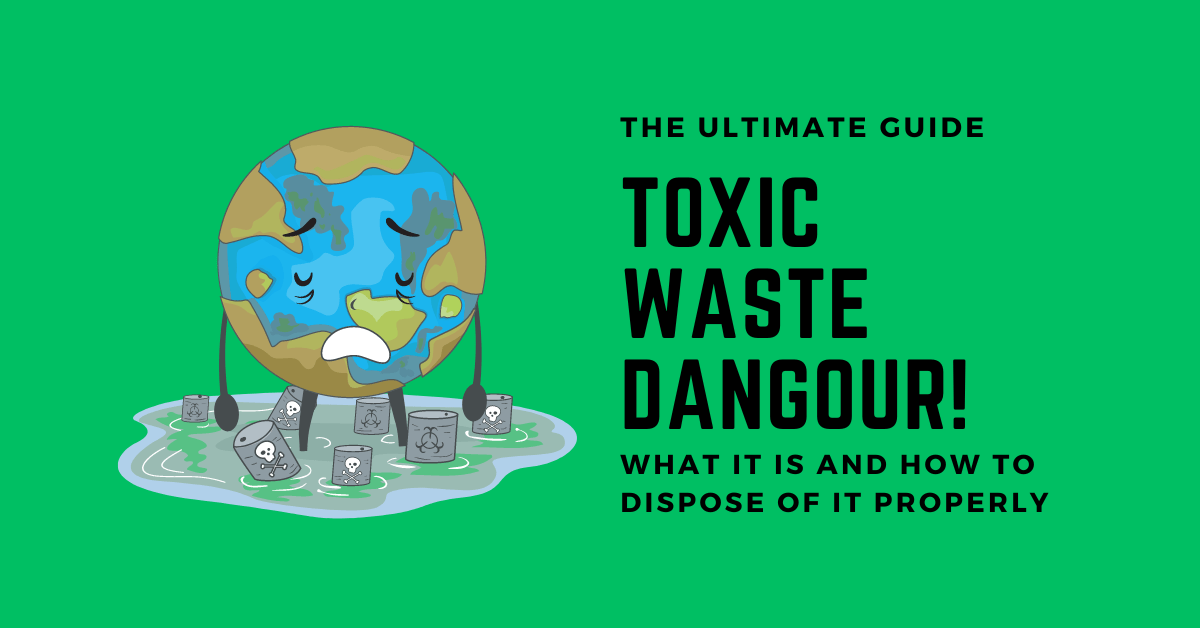
Toxic waste is a type of hazardous waste that is potentially dangerous for people and the environment. It can come in many forms, such as industrial waste, medical waste, and e-waste, and contains substances like heavy metals, solvents, and other chemicals. Disposing of toxic waste correctly is essential in order to protect people and the environment from its harmful effects. In this blog post, we will discuss what toxic waste is, how it is created, and the best ways to dispose of it safely.
What is toxic waste?
Toxic waste is any hazardous material that is discarded or released into the environment. This can include any type of solid, liquid, or gaseous substances that are considered to be harmful to humans and/or animals. It can come from a variety of sources such as industrial processes, agricultural activities, and residential uses.
Toxic waste can include heavy metals, solvents, oils, pesticides, and other chemical compounds. When these materials are not disposed of properly, they can pose a significant risk to human health and the environment. In some cases, toxic waste can persist in the environment for years and can even spread to new areas, making it difficult to contain and clean up. Proper disposal is essential for protecting our health and the environment.
Where does it come from?
Toxic waste comes from a variety of sources, many of which can be found in everyday life. These include industrial and manufacturing processes, pesticides, chemical-based fertilizers, pharmaceuticals, solvents, heavy metals, and even household products. It can also come from the burning of fossil fuels and other forms of pollution. All of these sources can release hazardous chemicals into our environment, creating a risk to both human and environmental health.
Industries such as mining, petroleum production, chemical production, and automobile manufacturing produce large amounts of toxic waste that can seep into groundwater and nearby streams, threatening aquatic life and drinking water supplies. Pesticides used on crops can leach into soil and run off into nearby rivers and lakes. Pharmaceuticals flushed down toilets or poured down drains can eventually reach bodies of water and accumulate in the environment. Even household products like paint thinners, cleaning solvents, and automotive fluids contain harmful chemicals that can contaminate water systems when improperly disposed of.
When toxic substances are released into the environment, they become part of a global cycle of contamination that can travel across continents and oceans. It is essential that we all take measures to reduce our contribution to this cycle of contamination by properly disposing of toxic waste.
How can I dispose of it properly?
Disposal of toxic wastes is an essential way of protecting both the environment and the health of our people. Depending on the type of waste, different methods are used for disposing of it.
For hazardous liquid waste, the best practice is to have it collected and taken away to a licensed waste disposal facility. This can be done through a registered carrier. If you are looking to dispose of hazardous liquid waste yourself, make sure to check with your local government’s regulations and guidelines.
Solid or semi-solid wastes, like heavy metals, asbestos, oil, pesticides, and paints, can be disposed of at specialized disposal sites. Some hazardous wastes are even recycled into new products. Before disposing of these materials, make sure to review your local government’s regulations and guidelines.
Radioactive waste must be treated with extreme caution as it is highly toxic and can have long-term impacts on the environment. It must be stored in approved containers and handled by experts who are trained in radiation protection. It is important to check with your local government for their rules and regulations surrounding the disposal of radioactive waste.
No matter what type of waste you need to dispose of. But, it is important to follow the proper guidelines in order to protect the environment. Adequate disposal practices include properly labelling and storing the waste according to local laws, segregating compatible materials when possible, keeping records of the disposal process, and using certified disposal facilities. By following these steps, you can help ensure that your toxic waste is disposed of safely and properly.
What are the consequences of improper disposal?
Improper disposal of toxic waste can lead to serious consequences for both the environment and human health. Toxic materials can seep into the ground and contaminate soil, water, and air. This contamination can damage ecosystems, destroy natural habitats, and potentially harm people living in the area. Toxic waste that is dumped into waterways may cause fish and other wildlife to die. Moreover, chemical pollutants can also kill or damage plants, leading to decreased biodiversity. Additionally, improper disposal can lead to the release of hazardous chemicals into the atmosphere, creating air pollution.
Human health risks associated with toxic waste vary depending on the waste type and the exposure level. Long-term exposure to certain toxins can lead to diseases such as cancer, respiratory illness, reproductive issues, and birth defects. Moreover, some toxic waste contains heavy metals that can cause neurological damage or other serious illnesses. Even short-term exposure to certain substances can cause skin irritation, nausea, headaches, and other symptoms. Therefore, it is essential to properly manage and dispose of toxic waste to avoid these health risks.
In conclusion, the improper disposal of toxic waste can lead to significant damage to the environment and health risks for humans. To protect our planet and its inhabitants, it is important to take appropriate measures when disposing of hazardous materials.
