


Introduction
In the realm of electrical engineering, ensuring safety and efficiency is paramount. This is where chemical earthing emerges as a game-changer, offering a reliable solution to mitigate the risks associated with electrical faults. In this comprehensive guide, we delve into the intricacies of chemical earthing, its benefits, and why it’s an indispensable component of modern electrical systems.
Understanding Chemical Earthing
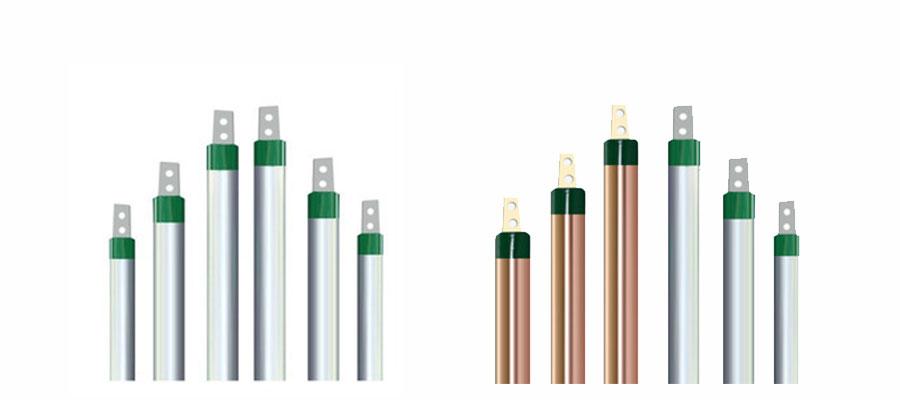
Chemical earthing, also known as chemical ground earthing or chemical electrode earthing, involves the use of chemical compounds to create a low-resistance path for the dissipation of fault currents into the ground. This method utilizes a chemical compound, typically a mixture of salt and charcoal, to enhance the conductivity of the soil surrounding the earthing electrode. By improving soil conductivity, chemical earthing facilitates efficient dissipation of fault currents, thereby minimizing the risk of electric shocks and equipment damage.
The Advantages of Chemical Earthing
Enhanced Safety
Chemical earthing significantly reduces the risk of electric shocks and equipment damage by providing a low-resistance path for fault currents to dissipate into the ground. This helps in maintaining a safe working environment, especially in industries where electrical hazards are prevalent.
Low Maintenance
Unlike conventional earthing systems that may require periodic watering and maintenance to ensure optimal performance, chemical earthing systems are relatively low maintenance. Once installed, the chemical compound within the electrode remains active for an extended period, providing consistent performance without the need for frequent interventions.
Consistent Performance
Chemical earthing offers consistent performance across various soil conditions, making it suitable for a wide range of applications. Whether installed in rocky terrain or areas with high moisture content, chemical earthing systems ensure reliable grounding and effective dissipation of fault currents.
Longevity
Chemical earthing electrodes are designed to withstand harsh environmental conditions, ensuring long-term durability and reliability. The chemical compound used in these electrodes prevents corrosion and deterioration, thereby extending the lifespan of the earthing system.
Applications of Chemical Earthing
Chemical earthing finds extensive applications across diverse sectors, including:
Industrial Facilities
Chemical earthing is widely adopted in industrial settings to protect personnel and equipment from electrical hazards. Industries such as manufacturing plants, refineries, and petrochemical facilities rely on chemical earthing systems to maintain a safe working environment and prevent costly downtime due to electrical faults.
Telecommunication Towers
Telecommunication towers require robust earthing systems to safeguard sensitive equipment from lightning strikes and electrical surges. Chemical earthing provides an effective solution for grounding telecommunication towers, ensuring uninterrupted communication services and protecting equipment from damage.
Commercial Buildings
Commercial establishments, including office complexes, shopping malls, and hospitals, benefit from the safety and reliability offered by chemical earthing systems. These buildings often house critical electrical infrastructure, and ensuring proper earthing is essential to prevent accidents and ensure uninterrupted operations.
Residential Installations
In residential settings, chemical earthing is increasingly being adopted to enhance safety and protect household appliances from electrical faults. By installing chemical earthing systems, homeowners can minimize the risk of electric shocks and equipment damage, providing peace of mind for their families.
Ennob: Your Trusted Partner for Chemical Earthing Solutions
At Ennob, we specialize in providing high-quality chemical earthing solutions tailored to meet the unique needs of our clients. With years of experience and expertise in the field, we offer a comprehensive range of products and services designed to enhance electrical safety and performance.
Our team of skilled professionals works closely with clients to understand their specific requirements and provide customized earthing solutions that deliver optimal results. From design and installation to maintenance and testing, we ensure that our chemical earthing systems meet the highest standards of quality and reliability.
Conclusion
Chemical earthing stands as a cornerstone of modern electrical safety, offering a robust solution to mitigate the risks associated with electrical faults. With its numerous advantages, including enhanced safety, low maintenance, consistent performance, and longevity, chemical earthing is a must-have component of any electrical system, whether in industrial, commercial, or residential settings. Embrace the power of chemical earthing today and ensure the safety and reliability of your electrical infrastructure for years to come.
