


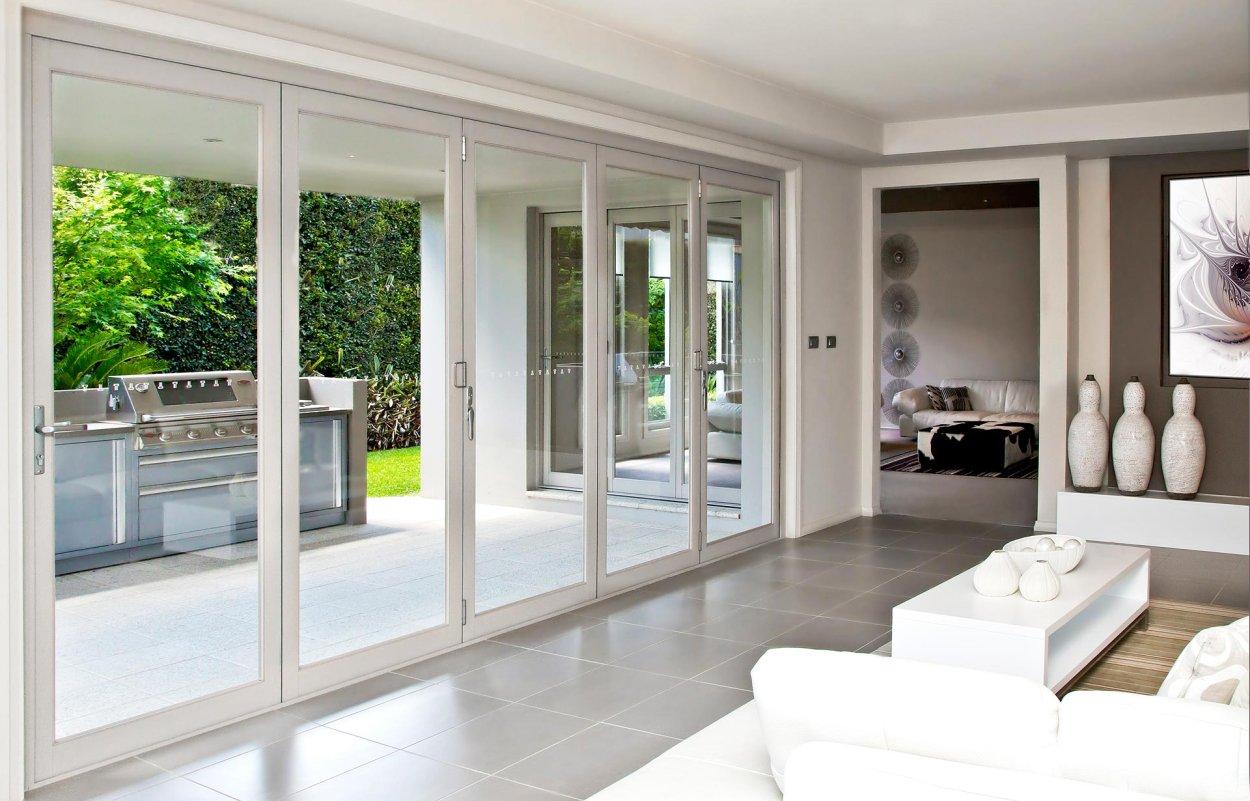
UPVC doors are renowned for their durability and low maintenance. But how long can you expect them to last? In this comprehensive guide, we’ll delve into the factors influencing the lifespan of UPVC doors and provide expert insights to help you make informed decisions for your home.
Understanding UPVC Door Longevity
UPVC (Unplasticized Polyvinyl Chloride) doors are prized for their resilience against rot, corrosion, and pests. Typically, these doors can last anywhere from 20 to 30 years with proper care and maintenance.
Factors Influencing Lifespan
Several factors influence the longevity of UPVC doors, including:
- Quality of Materials: High-quality UPVC materials contribute to longer lifespans.
- Installation: Proper installation by experienced professionals ensures optimal performance.
- Climate: Harsh weather conditions can affect the integrity of UPVC doors.
- Maintenance: Regular cleaning and lubrication prolong the lifespan of UPVC doors.
Signs of Wear and Tear
To gauge the condition of your UPVC door, watch out for these signs:
- Cracks or Warping: Indicates structural damage.
- Difficulty in Operation: Suggests issues with hinges or locking mechanisms.
- Drafts or Leaks: Indicates gaps or sealant deterioration.
Maximizing UPVC Door Lifespan
To maximize the lifespan of UPVC doors, follow these tips:
- Regular Cleaning: Remove dirt and debris to prevent deterioration.
- Lubrication: Apply lubricant to hinges and locking mechanisms annually.
- Weather Stripping: Replace worn weather stripping to maintain insulation.
- Avoid Slamming: Gentle handling prevents premature wear and tear.
FAQs about UPVC Doors
Are UPVC doors prone to discoloration over time?
While UPVC doors are resistant to fading and discoloration, prolonged exposure to sunlight may cause slight fading over several years. However, regular cleaning and maintenance can help preserve their appearance.
Can UPVC doors withstand extreme weather conditions?
Yes, UPVC doors are designed to withstand a wide range of weather conditions, including rain, snow, and heat. Their durable construction and weather-resistant properties make them ideal for various climates.
Do UPVC doors require painting or staining?
One of the advantages of UPVC doors is that they do not require painting or staining. Their color is integrated into the material during manufacturing, ensuring long-lasting aesthetics without the need for additional maintenance.
How often should I lubricate UPVC door hinges?
It’s recommended to lubricate UPVC door hinges annually to ensure smooth operation and prevent premature wear. Use a silicone-based lubricant for best results.
Can UPVC doors be repaired if damaged?
In most cases, minor damages to UPVC doors, such as scratches or dents, can be repaired using specialized kits available in the market. However, extensive structural damage may require professional intervention or replacement.
Are UPVC doors energy-efficient?
Yes, UPVC doors are known for their excellent thermal insulation properties, helping to maintain indoor temperatures and reduce energy costs. Properly sealed UPVC doors contribute to overall energy efficiency in homes.
Conclusion:
In conclusion, UPVC doors offer a durable and long-lasting solution for homeowners seeking security and aesthetic appeal. By understanding the factors influencing their lifespan and implementing proper maintenance practices, you can ensure that your UPVC doors serve you well for decades to come.
