


Varicose veins are a common vascular condition that affects millions of individuals worldwide. These enlarged, twisted veins, often appearing as blue or purple bulges beneath the skin, can cause discomfort and aesthetic concerns. In this article, we will delve into the factors contributing to the development of varicose veins and shed light on the type of doctor who specializes in their treatment.
What Causes Varicose Veins?
Genetic Predisposition:
Varicose veins often have a familial connection. If your parents or close relatives have experienced them, you may be genetically predisposed to developing them as well. Genetic factors influence the strength and health of the veins, impacting their ability to efficiently circulate blood.
Age and Wear on Veins:
As we age, the wear and tear on our veins accumulate. Over time, the valves within the veins, which are responsible for regulating blood flow, may weaken. This weakening can lead to the pooling of blood and the subsequent enlargement of veins.
Prolonged Standing or Sitting:
Individuals with occupations or lifestyles that involve long periods of standing or sitting may be at a higher risk of developing varicose veins. This prolonged static positioning puts additional pressure on the veins, hindering proper blood circulation and increasing the likelihood of vein enlargement.
Pregnancy:
Pregnant women often experience hormonal changes and increased blood volume, both of which can contribute to the development of varicose veins. The growing uterus also exerts pressure on the veins in the pelvic area, further exacerbating the condition.
Obesity:
Excess body weight can put additional strain on the veins, especially those in the legs. This increased pressure can weaken the vein walls and impede blood flow, leading to varicose veins.
Why Do Some People Develop Varicose Veins?
Gender Disparity:
Women are more prone to developing varicose veins than men, primarily due to hormonal fluctuations associated with menstruation, pregnancy, and menopause. Estrogen, in particular, can weaken vein walls, making women more susceptible to this condition.
Lack of Physical Activity:
Regular exercise promotes healthy blood circulation. Sedentary lifestyles, on the other hand, contribute to poor blood flow, increasing the risk of varicose veins. Engaging in activities that encourage muscle movement helps pump blood back to the heart, preventing stagnation in the veins.
Tight Clothing and High Heels:
Wearing tight clothing, especially around the waist and thighs, can impede blood circulation, contributing to varicose veins. Similarly, high-heeled shoes can strain the calf muscles, affecting blood flow and potentially causing vein issues.
What Type of Doctor Treats Varicose Veins?
Phlebologist:
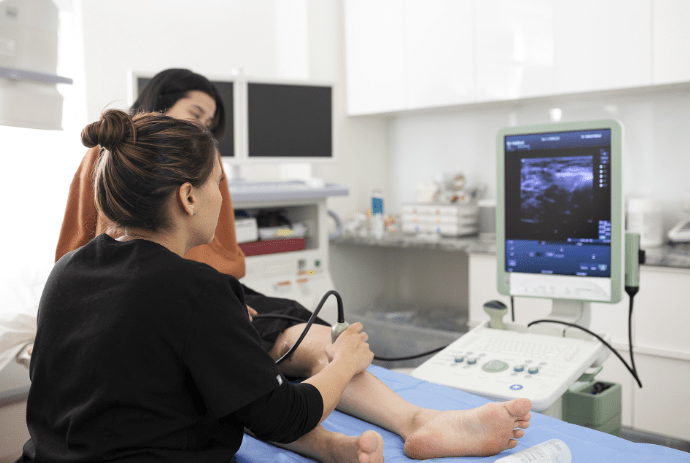
A phlebologist is a medical professional specializing in the diagnosis and treatment of vein-related conditions. These specialists have expertise in assessing venous disorders and may use various non-invasive techniques to address varicose veins, such as ultrasound-guided procedures and laser therapy.
Vascular Surgeon:
Vascular surgeons are doctors with advanced training in treating conditions affecting the blood vessels, including varicose veins. They may recommend surgical interventions, such as vein ligation or stripping, for severe cases that do not respond to less invasive treatments.
Interventional Radiologist:
Using imaging techniques, interventional radiologists can perform minimally invasive procedures to treat varicose veins. These procedures may include endovenous laser therapy or radiofrequency ablation, which close off the affected veins and redirect blood flow to healthier vessels.
Conclusion
Understanding the causes of varicose veins is crucial for both prevention and effective treatment. While genetic factors and age play significant roles, lifestyle choices and hormonal influences also contribute to the development of this common vascular condition. Seeking guidance from a qualified medical professional, such as a phlebologist or vascular surgeon, ensures appropriate diagnosis and personalized treatment options tailored to individual needs. By addressing varicose veins proactively, individuals can improve their vascular health and enhance their overall well-being.
