


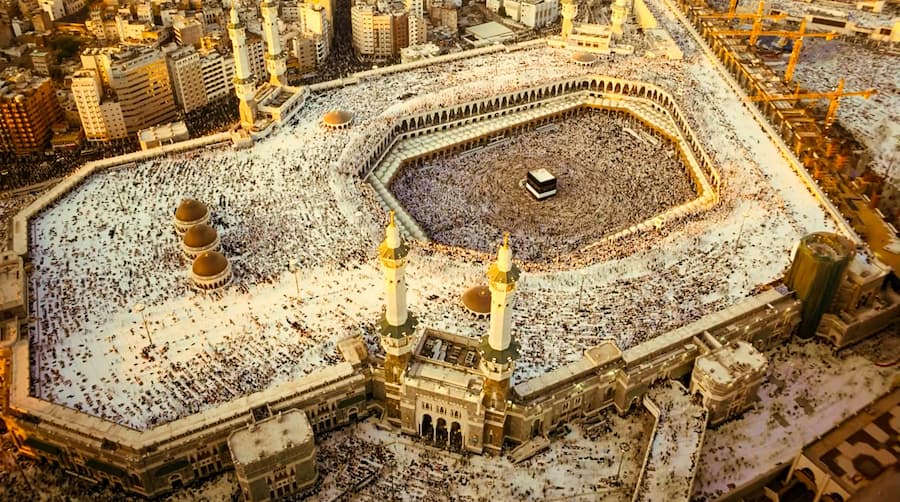
Religious pilgrimage, a practice deeply rooted in the traditions of numerous faiths across the globe, holds a unique and profound significance for millions of believers. It transcends geographical boundaries and cultural differences, uniting individuals under a common spiritual purpose.
This age-old tradition involves journeys to sacred sites, often of historical or religious significance, to pursue spiritual growth, connection with the divine, and personal transformation.
The importance of religious pilgrimage is far-reaching, encompassing spiritual, cultural, social, and psychological dimensions that shape the lives of pilgrims and impact the broader society.
Whether it’s embarking on a journey to the holy city of Mecca through a UK Umrah package for Muslims or visiting revered sites for adherents of other faiths, the act of pilgrimage carries profound meaning and significance that resonates through the tapestry of human experience.
Deepening Spiritual Connection
At the heart of religious pilgrimage lies the aspiration to deepen one’s spiritual connection with the divine. Pilgrims embark on these journeys to draw closer to their faith, seeking a more profound understanding of their beliefs and a heightened sense of spiritual presence.
Travelling to a sacred site is believed to facilitate a direct communion with the sacred, allowing pilgrims to experience a sense of transcendence and tangibly encounter the divine.
Reaffirmation of Faith
Pilgrimage is a powerful means of reaffirming one’s faith and commitment to religious teachings. The physical and emotional effort required to undertake a pilgrimage demonstrates pilgrims’ dedication and devotion to their beliefs.
By overcoming obstacles and challenges along the journey, pilgrims strengthen their faith, reinforcing their conviction in the tenets of their religion.
Purification and Cleansing
Many religious traditions view pilgrimage as a means of spiritual purification and cleansing. The physical journey mirrors an inner journey towards spiritual purity, shedding worldly attachments and sins.
The hardships faced during the pilgrimage, such as long treks, fasting, or enduring discomfort, are seen as opportunities for self-discipline and purification, preparing pilgrims for a closer connection with the divine.
Cultural and Historical Reverence
Religious pilgrimage often leads individuals to historical and cultural significance sites. These sacred sites are not only places of worship but also repositories of cultural heritage, preserving the history and traditions of a community or faith.
Pilgrims pay homage to their forebears, fostering a connection with their cultural roots and contributing to preserving cultural identity.
Community and Solidarity
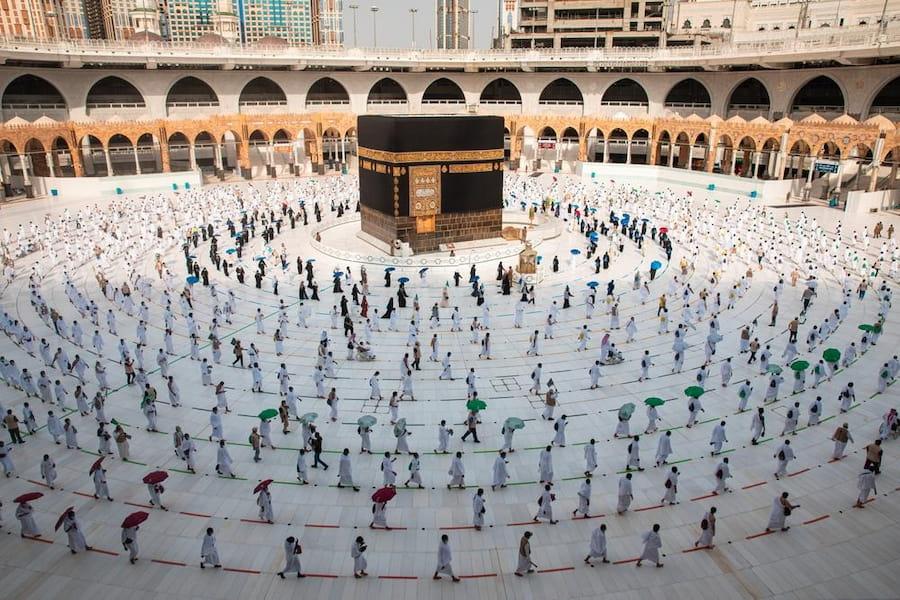
Pilgrimage fosters community and unity among believers who embark on similar journeys. The shared experience of pilgrimage creates bonds that transcend geographical and social differences.
Pilgrims from diverse backgrounds come together, forming a community that reinforces a collective sense of purpose and belonging, fostering friendships and connections that endure beyond the pilgrimage.
Personal Transformation
The physical and emotional challenges inherent in religious pilgrimage often lead to personal transformation. The journey requires individuals to step outside their comfort zones, confront their limitations, and develop resilience.
This transformative process encourages self-discovery, self-reflection, and personal growth, ultimately leading to a heightened sense of purpose and direction in life.
Seeking Blessings and Healing
Pilgrims often visit sacred sites for blessings, healing, or divine intervention. These places are believe to possess spiritual energies that can bring about miraculous changes in one’s life. Pilgrims may offer prayers, perform rituals, or engage in acts of devotion, seeking solace, guidance, or physical healing.
Preservation of Heritage Sites
The influx of pilgrims to religious sites contributes to preserving and maintaining historical and cultural landmarks. These sites often rely on pilgrim donations and support for upkeep, ensuring that these places remain accessible for future generations to experience and appreciate.
Promoting Tolerance and Understanding
Religious pilgrimage can promote interfaith dialogue, understanding, and tolerance. As pilgrims from different faiths come into contact during their journeys, they can learn about each other’s beliefs, fostering mutual respect and appreciation for diverse spiritual paths.
Contribution to Local Economies:
Pilgrimages often revitalize local economies by generating income for businesses providing accommodations, transportation, and other services to pilgrims. The economic advantages stemming from sacred sites can bring about a favorable influence on nearby communities.
Preservation of Cultural Traditions
Religious pilgrimage plays a pivotal role in preserving cultural traditions and passing them down through generations. The rituals, practices, and stories associated with sacred sites are handed down from elders to young pilgrims, ensuring that cultural heritage remains vibrant and relevant.
This continuity fosters a sense of cultural identity and pride, enriching the collective memory of a community and contributing to the tapestry of human history.
The importance of religious pilgrimage goes beyond the physical act of traveling; it represents a transformative spiritual journey that touches the core of an individual’s beliefs and values.
Through this ancient practice, believers seek spiritual growth, connection, and renewal, contributing to their well-being and the fabric of their communities. As religious pilgrimage continues to be a deeply ingrained aspect of human experience, it exemplifies the enduring quest for meaning, purpose, and a connection with the divine across cultures, generations, and faiths.
