


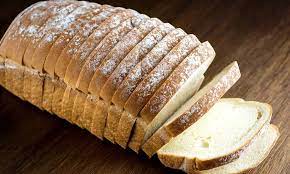
If you’re a fan of sourdough bread, you may have encountered the pesky problem of white mold. While it may look unappetizing, it’s usually not harmful and can be easily removed. In this guide, we’ll show you how to identify white mold on sourdough bread and how to get rid of it.
What is white mold and how does it form on sourdough bread?
White mold is a type of fungus that can form on sourdough bread when it is exposed to warm temperatures. It typically appears as a white, fuzzy growth on the surface of the bread. This can happen when the bread is stored in a humid environment or if it is not properly sealed. While it may look unappetizing, white mold is usually not harmful and can be easily removed.
How to identify white mold on sourdough bread.
White mold on sourdough bread can be easily identified by its fuzzy, white appearance on the surface of the bread. It may also have a musty or earthy smell. If you see any signs of white mold on your sourdough bread, it’s important to act quickly to prevent it from spreading to other parts of the loaf.
Steps to remove white mold from sourdough bread.
The first step to removing white mold from sourdough bread is to cut off the affected area. Make sure to cut at least 1 inch around the moldy spot to ensure that all of the mold is removed. Next, inspect the rest of the loaf for any other signs of mold and discard any additional affected areas. Finally, store the remaining bread in a cool, dry place to prevent any further mold growth. It’s important to note that if the mold has penetrated deep into the bread, it may be best to discard the entire loaf to avoid any potential health risks.
Preventing white molding from forming on sourdough bread in the future.
To prevent white mold from forming on sourdough bread in the future, it’s important to store it properly. Make sure to keep the bread in a cool, dry place, and avoid storing it in a plastic bag or container, as this can trap moisture and promote mold growth. Instead, store the bread in a paper bag or bread box. Additionally, try to consume the bread within a few days of baking, as older bread is more susceptible to mold growth. Finally, make sure to clean your bread knife and cutting board thoroughly after each use to prevent any mold spores from spreading.
Tips for storing sourdough bread to prevent mold growth.
Storing sourdough bread properly is key to preventing mold growth. To keep your bread fresh and mold-free, store it in a cool, dry place, such as a pantry. Avoid storing it in a plastic bag or container, as this can trap moisture and promote mold growth. Instead, use a paper bag or wrap the bread in a clean kitchen towel. It’s also important to consume the bread within a few days of baking, as older bread is more susceptible to mold growth. Finally, make sure to clean your bread knife and cutting board thoroughly after each use to prevent any mold spores from spreading.
