


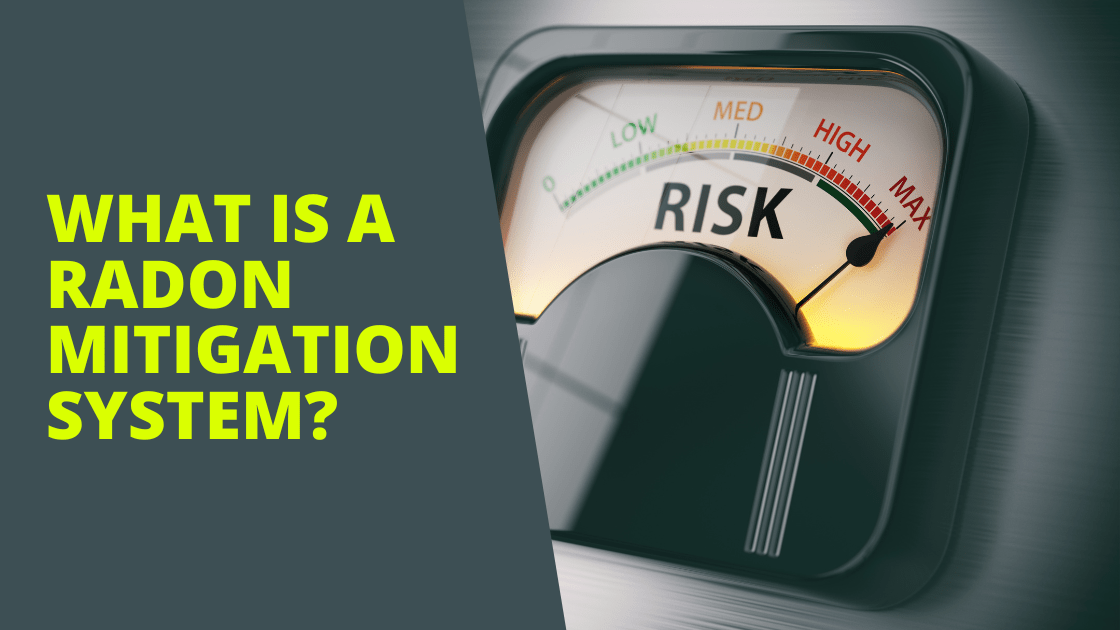
Radon mitigation systems are designed to reduce radon gas concentrations in the breathing zones of occupied buildings. Radon, a radioactive gas that naturally emanates from soil and rocks, can accumulate in homes and buildings, posing serious health risks, including lung cancer. Understanding how these systems work, their importance, and the installation process is crucial for homeowners and property managers.
Understanding Radon and Its Risks
What is Radon?
Radon is a colorless, odorless, and tasteless radioactive gas that comes from the natural breakdown of uranium in soil, rock, and water. This gas can seep into homes through cracks and openings in the foundation, such as gaps around pipes, sump pits, and construction joints. Without proper ventilation and mitigation measures, radon can accumulate to high levels inside buildings, significantly increasing the risk of health issues for the occupants.
Health Risks of Radon Exposure
Long-term exposure to elevated levels of radon can lead to lung cancer. According to the Environmental Protection Agency (EPA), radon is the second leading cause of lung cancer in the United States, responsible for thousands of deaths each year. The risk is particularly high for smokers who are exposed to radon. The EPA and the Surgeon General recommend testing all homes for radon and reducing radon levels in homes that have a radon concentration of 4 picocuries per liter (pCi/L) or higher.
Components of a Radon Mitigation System
A typical radon mitigation system includes several key components designed to reduce radon levels effectively and safely in residential and commercial buildings:
Sub-Slab Depressurization
This is the most common and effective method for reducing radon levels. It involves:
- PVC Piping: Pipes are inserted through the floor slab into the soil beneath. These pipes serve as a pathway for radon gas to be drawn out from under the foundation.
- Fan: A specially designed fan is installed to create suction and draw radon from beneath the house, venting it outside where it can dissipate harmlessly into the atmosphere. The fan is typically located in an attic or outside to minimize noise and ensure efficiency.
Sealing Cracks and Openings
All major cracks and openings in the foundation and walls are sealed to limit the radon entry points, enhancing the system’s effectiveness. This step is crucial because even small openings can allow significant amounts of radon to enter the building, compromising the mitigation system’s performance.
Vent Pipe
A vent pipe is installed from the sub-slab area, running vertically through the house and exiting above the roofline to safely vent radon gas outside. This ensures that the radon gas is released at a high point where it can be diluted quickly in the open air, reducing the risk of re-entry into the home.
Monitoring and Maintenance
Regular monitoring and maintenance ensure the system operates efficiently. This includes checking the fan and pipes for any wear or damage and testing radon levels periodically. Homeowners should conduct radon tests every two years or after significant renovations to ensure the mitigation system remains effective.
Installation Process of a Radon Mitigation System
Initial Assessment
A radon professional will conduct a thorough assessment of the building, including radon testing, to determine the level of radon and the best mitigation strategy. This assessment may involve placing radon detectors in various locations within the building to measure radon levels over a specified period.
System Design
Based on the assessment, a customized mitigation system is designed. The design considers the building’s structure, foundation type, and radon levels. Factors such as the layout of the basement or crawl space, the type of foundation, and the presence of any obstacles are taken into account to create an effective and unobtrusive system.
Installation
The installation process typically involves:
- Drilling a hole in the basement slab or crawl space floor to create a suction point.
- Installing PVC piping and the suction fan to draw radon gas from beneath the foundation.
- Running the vent pipe to the exterior of the home, extending above the roofline to ensure safe dispersion of radon gas.
- Sealing all cracks and openings in the foundation to minimize radon entry points and enhance the system’s effectiveness.
Post-Installation Testing
After installation, the radon levels are tested again to ensure the system effectively reduces radon to safe levels. This post-installation testing verifies that the mitigation system is functioning correctly and that radon levels have been brought down to acceptable levels.
Benefits of a Radon Mitigation System
- Health Protection: Significantly reduces the risk of lung cancer by lowering radon levels in indoor air. This protection is crucial for the well-being of all occupants, especially in areas known to have high radon concentrations.
- Home Value: Homes with a radon mitigation system can be more attractive to buyers, as it shows proactive measures to ensure safety. Potential buyers may view a home with a mitigation system as a safer investment.
- Peace of Mind: Knowing that your home is safe from the dangers of radon provides peace of mind. Homeowners can rest assured that they have taken important steps to protect their family’s health.
Radon Mitigation in St. Louis
If you’re a resident of St. Louis, dealing with radon should be a top priority, considering the geological makeup of the area. Local experts like Air Sense Environmental specialize in radon testing and mitigation services tailored to the specific needs of St. Louis homes. Their professional team ensures that your home is safe by providing thorough testing, expert consultation, and efficient installation of radon mitigation systems. With their help, you can ensure that your indoor air quality is up to standard, protecting your family’s health and peace of mind.
Conclusion
A radon mitigation system is an essential investment for the health and safety of your home. By understanding how these systems work and their importance, homeowners can take proactive steps to reduce radon levels and protect their families from the dangers of radon exposure.
